

A deep journey through the history, culture, and nature of Yoshino and Tenri
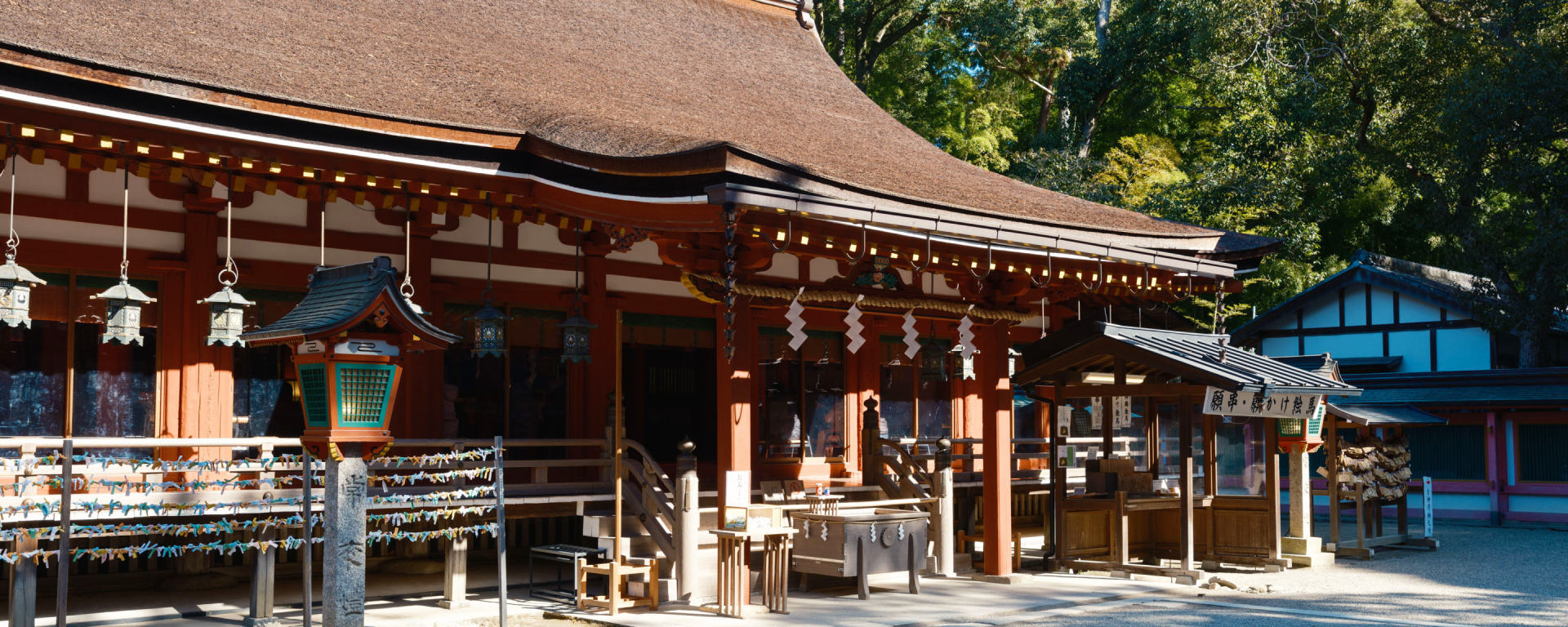
Mt. Yoshino, a mountain ridge in southern Nara, once served as a training ground for the Shugendo branch of Buddhism. This is where nature, history, and religion meet—a historically and culturally important area that was included in the World Heritage Site registered in 2004 under the name “Sacred Sites and Pilgrimage Routes in the Kii Mountain Range.” Drawn to the idea of exploring a holy mountain, you decide to plan a trip to Mt. Yoshino.
The temples and shrines of Mt. Yoshino
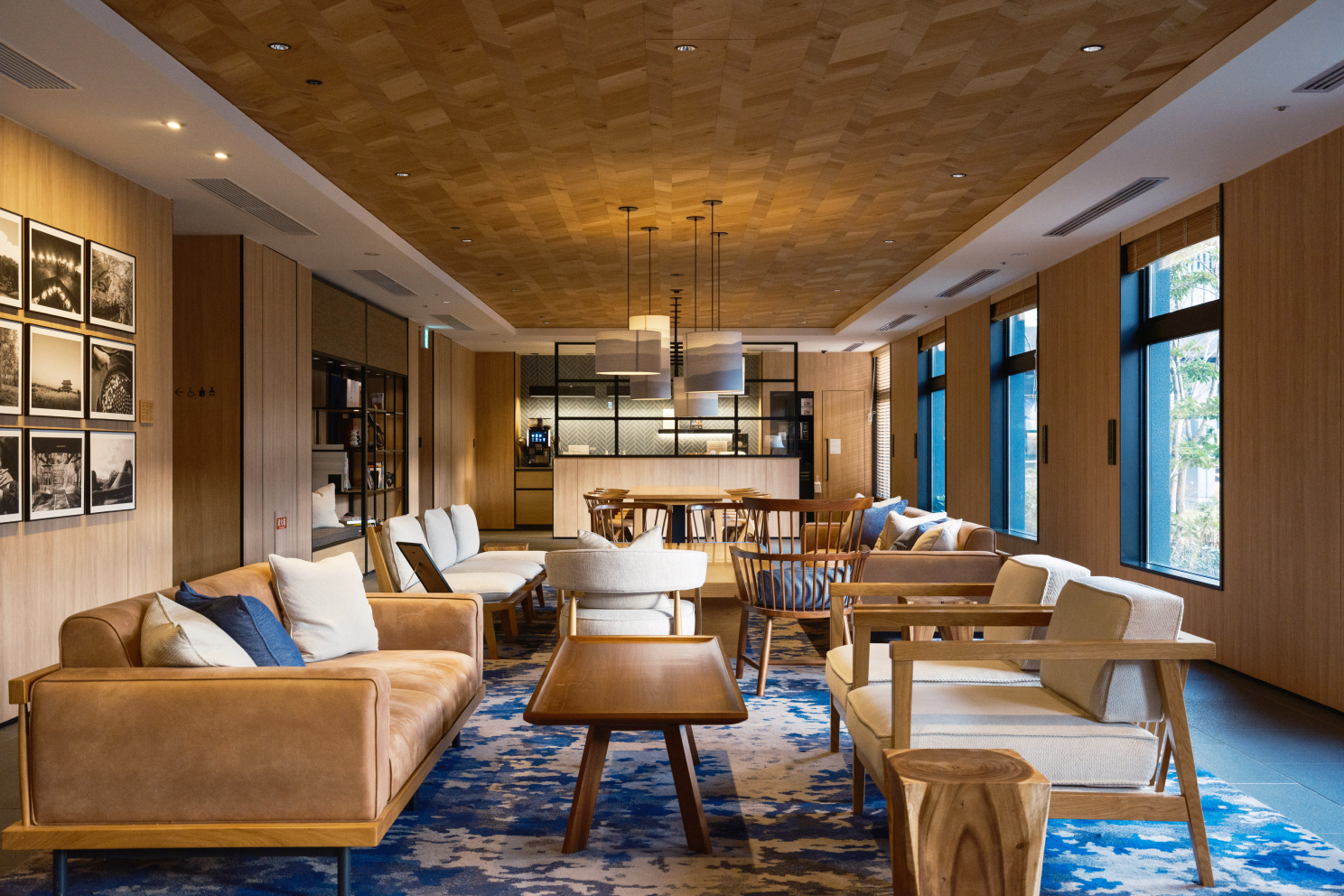
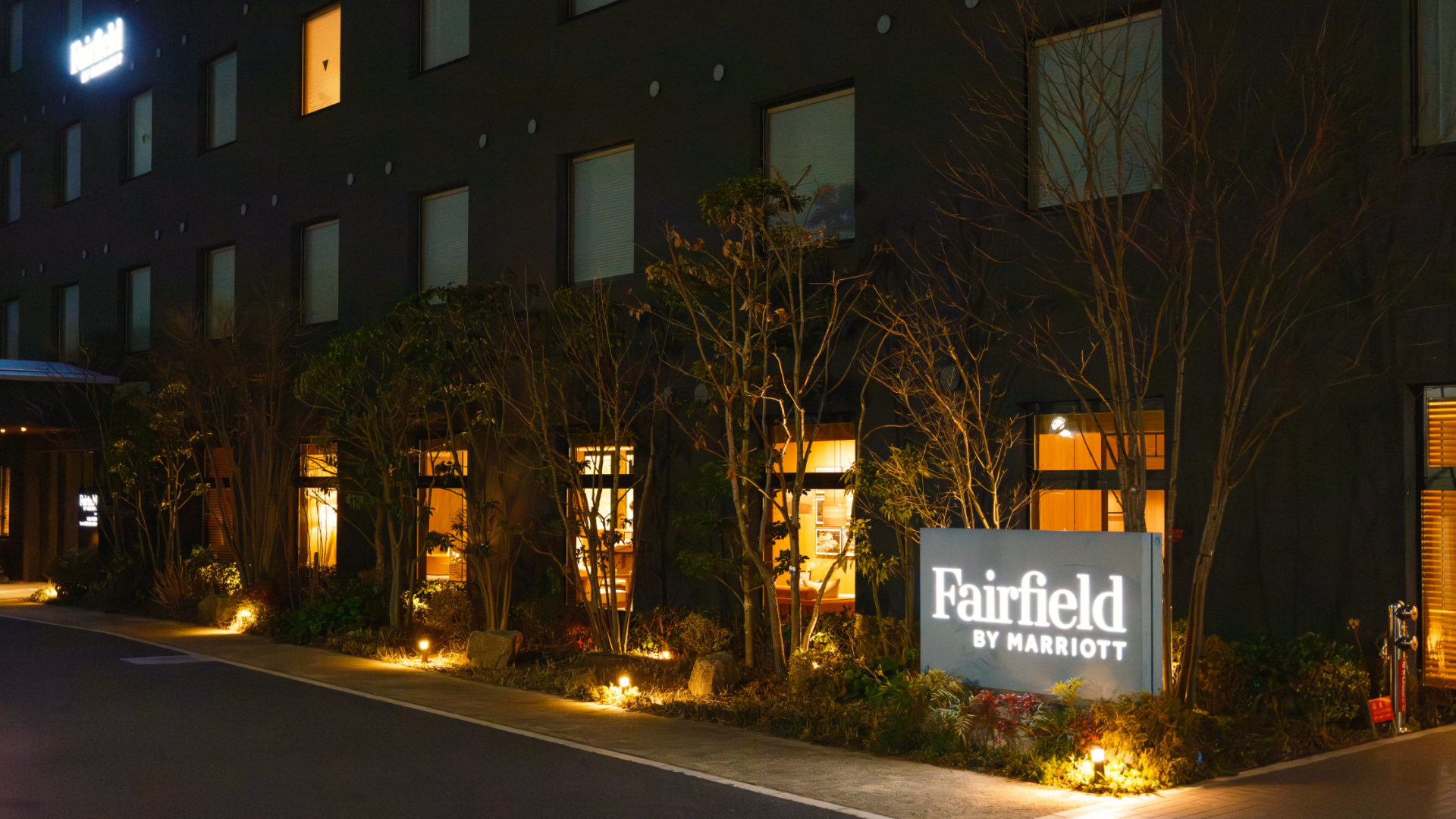
At Fairfield by Marriott Nara Tenri Yamanobenomichi, you are positioned right along Japan's oldest legendary road. With the "Nara History and Arts Culture Village" station just steps away, the region's rich history and traditional artistry are always within reach.
08:30 Shin-Osaka Train Station
10:00 Yoshino Ropeway
10:40 Zaodo at Kinpusenji
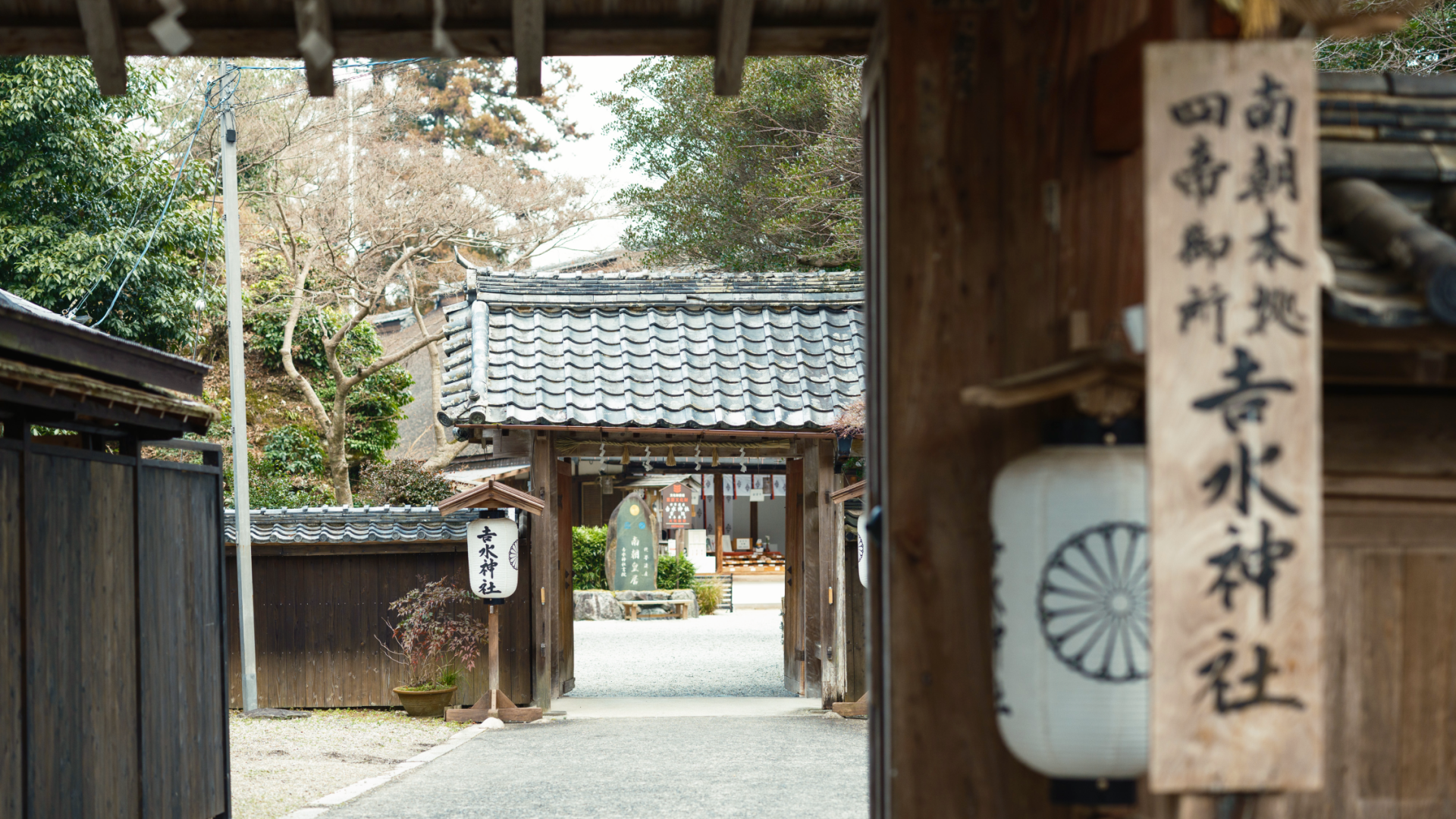
11:40 Yoshimizu Shrine
12:40 Shoin at Yoshimizu Shrine
13:50 Lunch at Shizukatei
17:00 Fairfield by Marriott Nara Tenri Yamanobenomichi
Day 1 Total Distance: 107.65 km
Day 1 Total Travel Time: About 3 hours 15 minutes
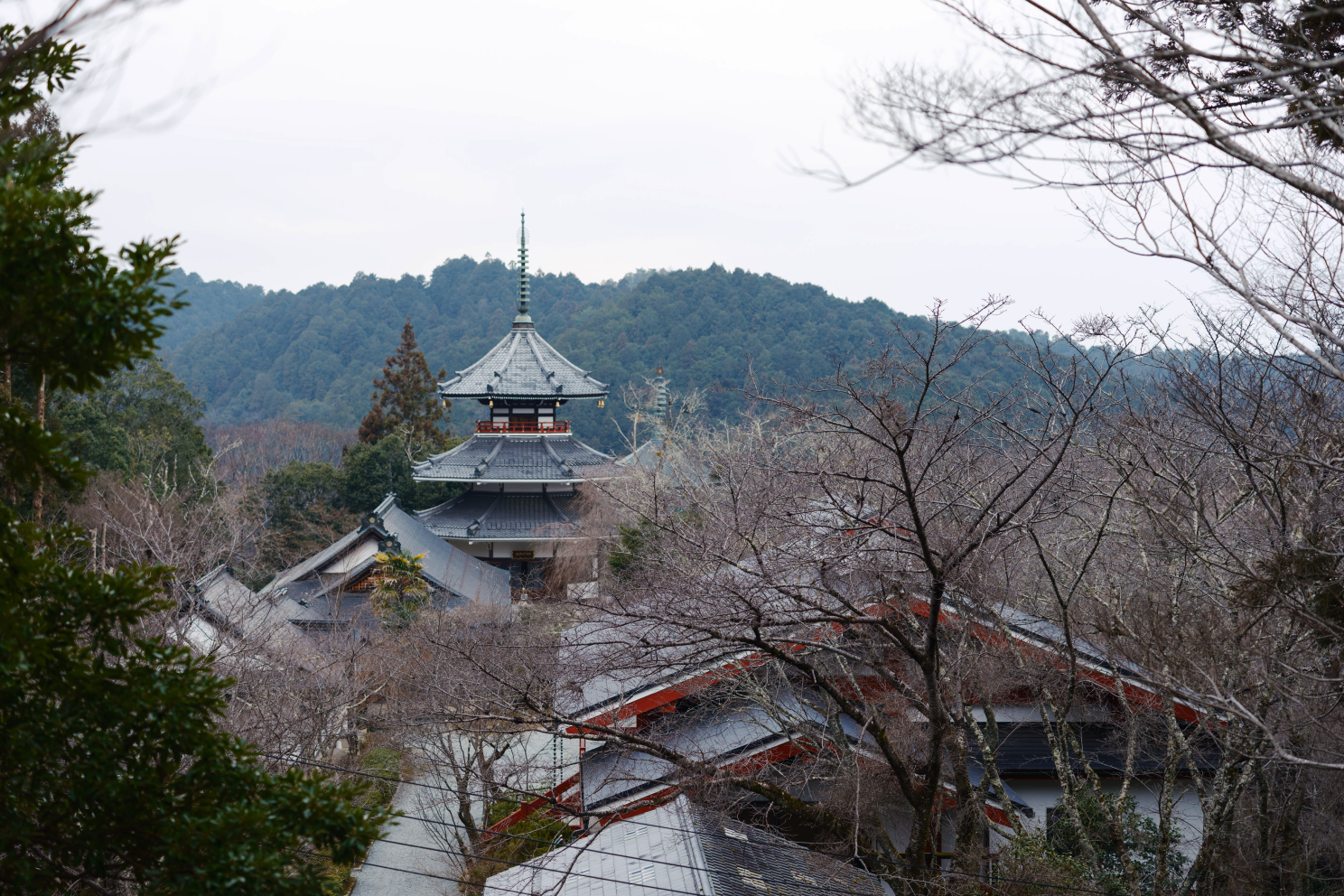
On Day One, you’re planning on making a pilgrimage through the mountain ridge. This will involve riding one of Japan’s oldest ropeways to the top of Mt. Yoshino, paying your respects at Zaodo—the main hall of Kinpusenji temple, which serves as the headquarters of Shugendo—and then making your way to the historically significant Yoshimizu Shrine. By traveling in this order, you’ll be walking backwards in time.
***
Take a ride on the Yoshino Ropeway, one of the oldest ropeways in Japan.
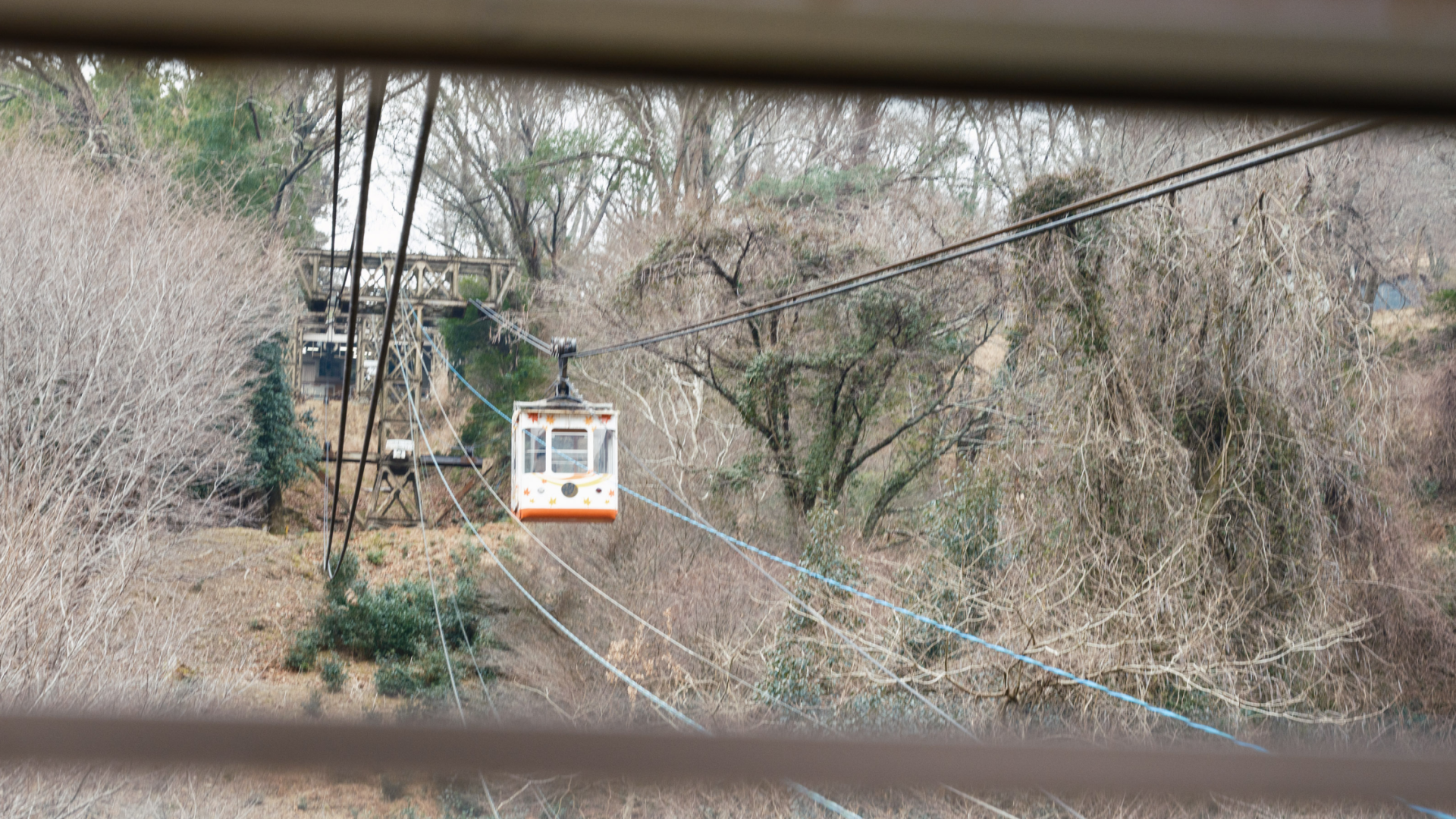
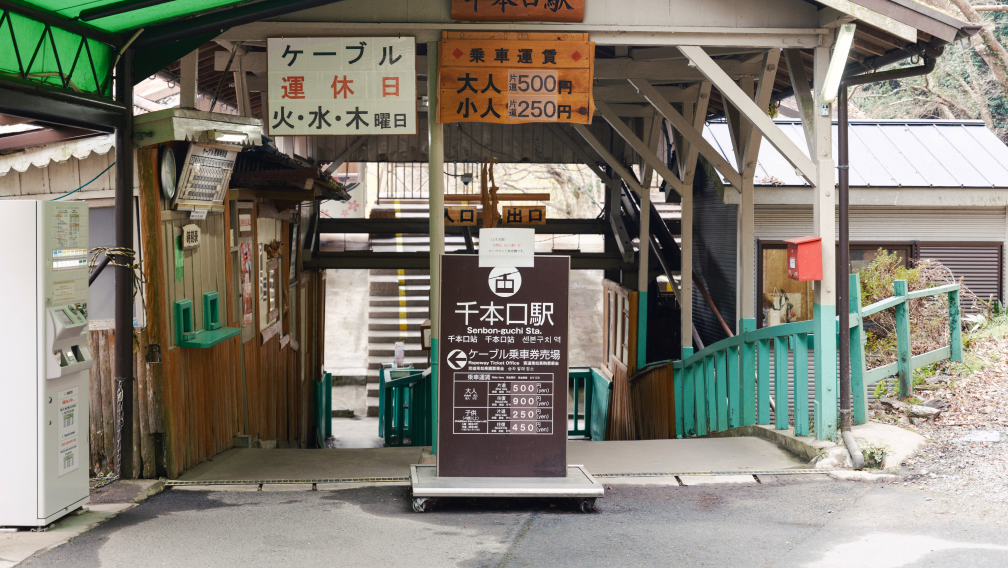
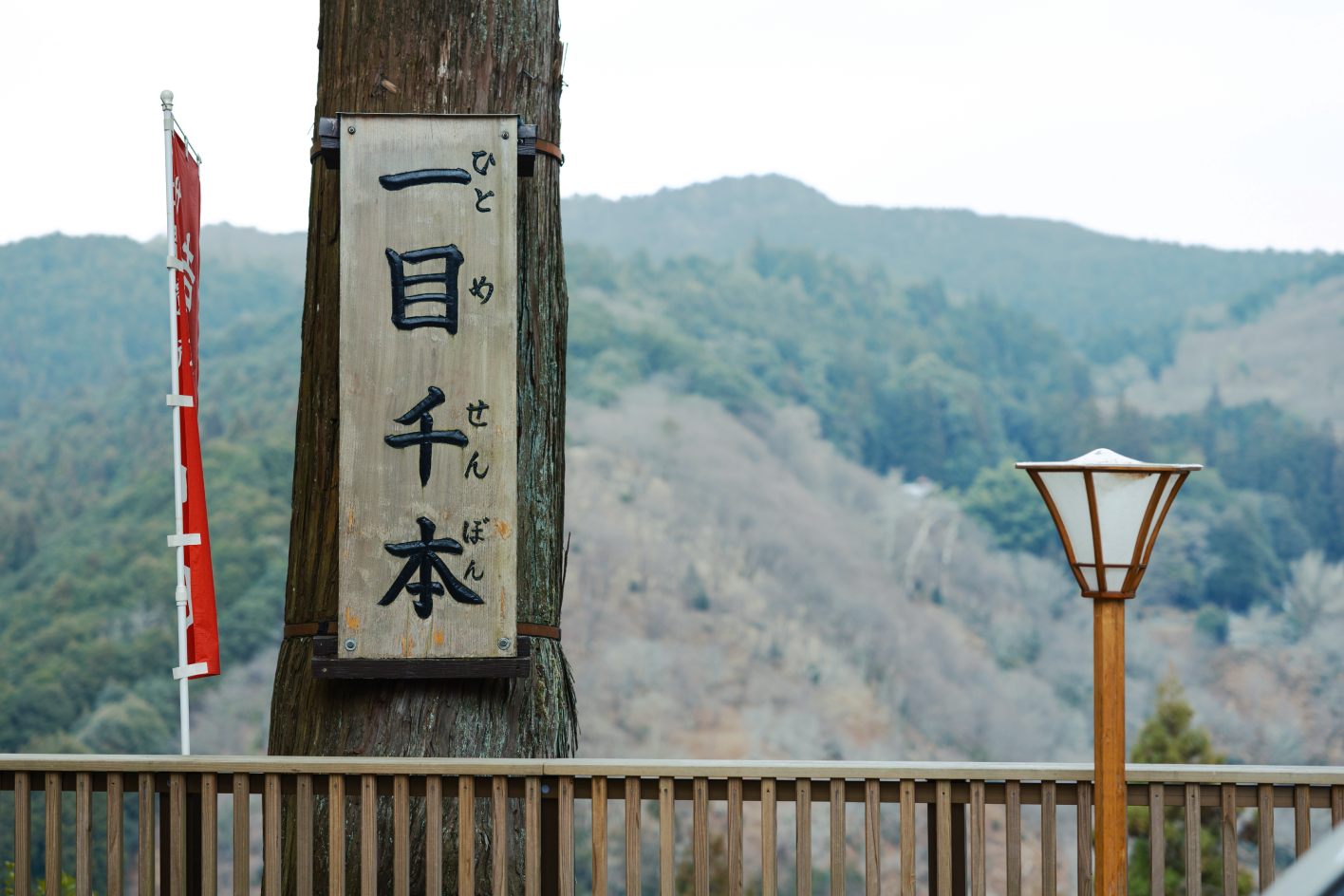
You arrive in the town of Yoshino and immediately head for the Yoshino Ropeway, which opened in 1929. That makes it one of the oldest in Japan—a fact that led to its designation as a Mechanical Engineering Heritage of Japan in 2012. It travels 350 meters (383 yards) from Senbonguchi Station at the foot of the mountain to Yoshinoyama Station.
It's only a three-minute ride, but the scenery framed by the windows is gorgeous and immediately puts you in an adventuring mood. You don’t want to leave your car behind as you explore Mt. Yoshino, so you’ve decided to take a round trip ride. Six minutes may not be that long, but the views are certainly worth it.
Zaodo: The spiritual center of a holy mountain
The stunning power of faith and wood architecture
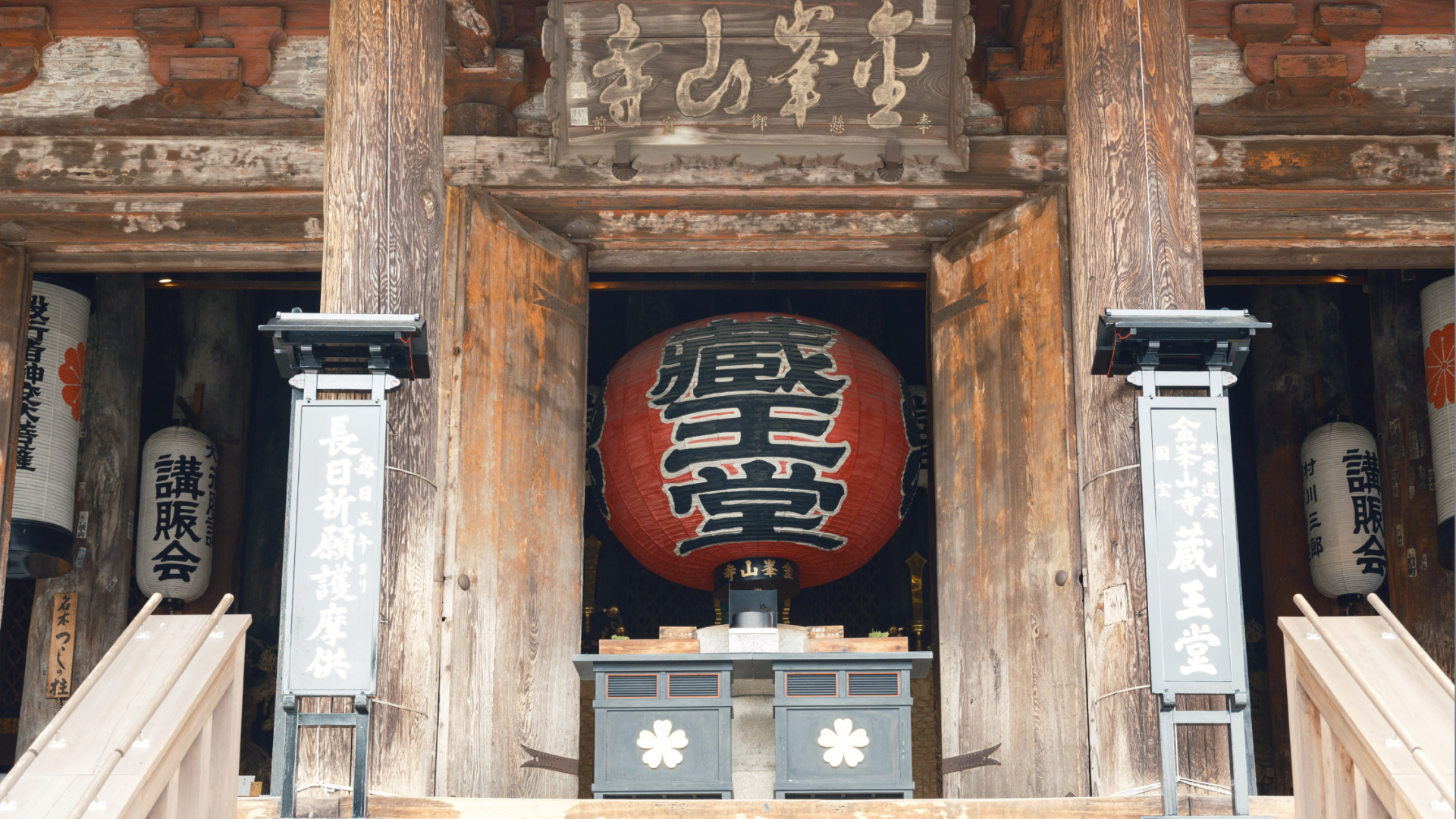
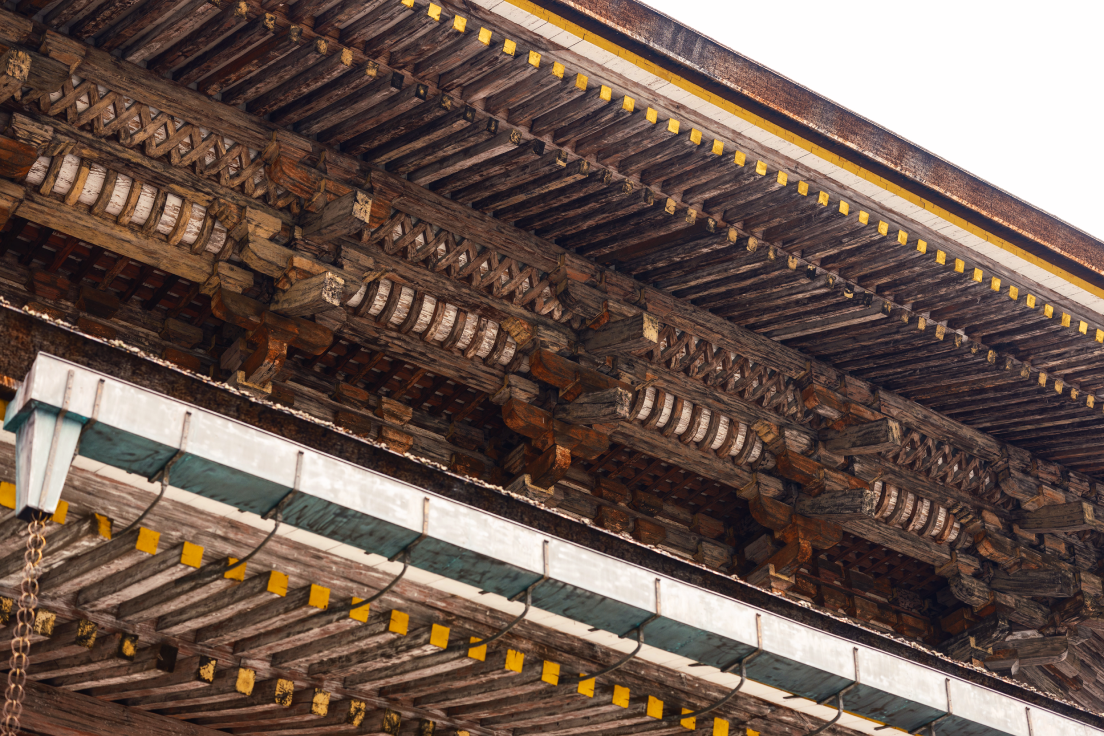
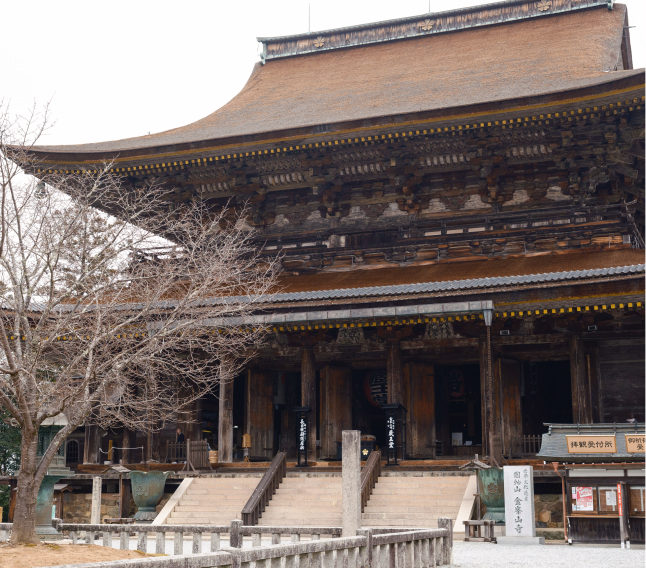
You next visit Zaodo on the premises of Kinpusenji temple. The moment you catch sight of the building, it takes your breath away. At 34-meters (112-feet) tall and 36-meters (118-feet) wide at the front, this is one of the largest historic wooden buildings still standing in Japan—only the Great Buddha Hall of Todaiji temple in Nara City is bigger. Its presence adds a sense of majesty to the mountain scenery. You find it hard to believe it was only rebuilt once in 1592.
This area was apparently cultivated in the 7th century by En no Gyoja, an ascetic and mystic said to be the founder of Shugendo. Mt. Yoshino had long been considered sacred, which made it a natural fit for a religion based on seeking enlightenment in nature by walking the mountain ridge. The spiritual home of Shugendo is Zaodo.
Today, most people know Mt. Yoshino for its beautiful cherry blossoms. But this natural beauty couldn’t have been preserved without over a thousand years of mountain worship, with Zaodo serving as a link between humans and nature.
Yoshimizu Shrine: Where emperors and shogun felt at home
Imperial intrigue and extravagant parties
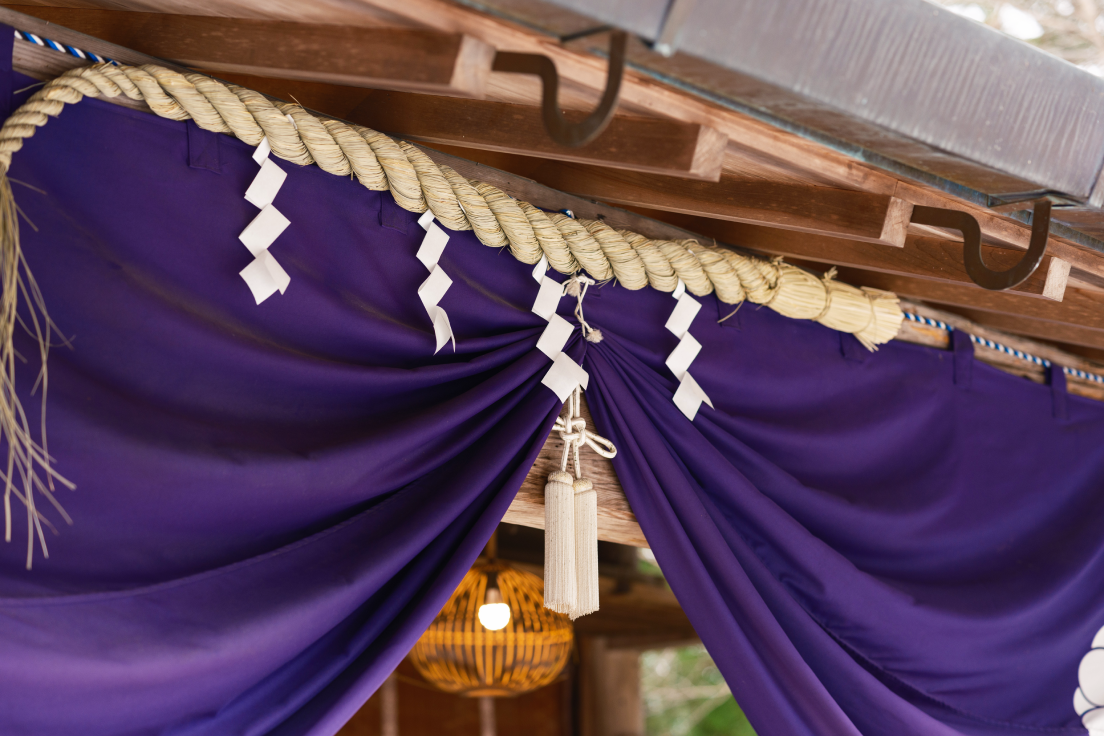
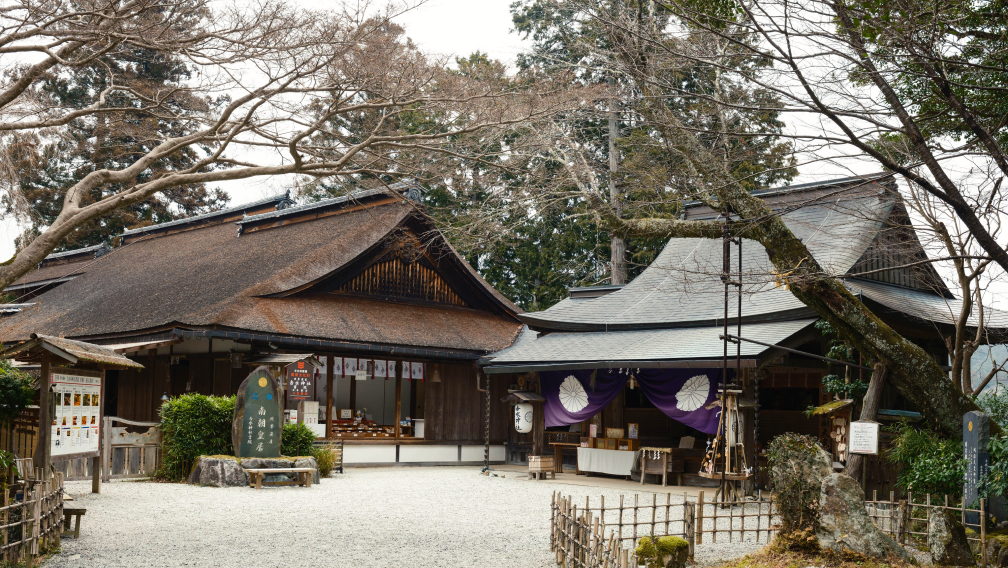
About 500 meters (550 yards) downhill from Zaodo is Yoshimizu Shrine. It started life as a monastery for Shugendo monks, which means it has a deep connection to the local tradition of mountain worship. During the upheaval of Imperial rule in the 14th century, Emperor Go-Daigo fled to the monastery and set up house there, transforming it into the de facto power center of his court.
But the monastery is most famous for the extravagant cherry blossom viewing parties organized by the shogun Toyotomi Hideyoshi in the late 16th century—it’s how Mt. Yoshino became famous for its cherry blossoms. After the Emperor Meiji ordered the separation of Shintoism and Buddhism in the 19th century, the monastery was converted into the Shinto shrine it is today. The premises are still home to numerous historical buildings and important cultural assets—you can almost see the history of the place and the religion once practiced here come to life.
Shoin at Yoshimizu Shrine: A building steeped in history
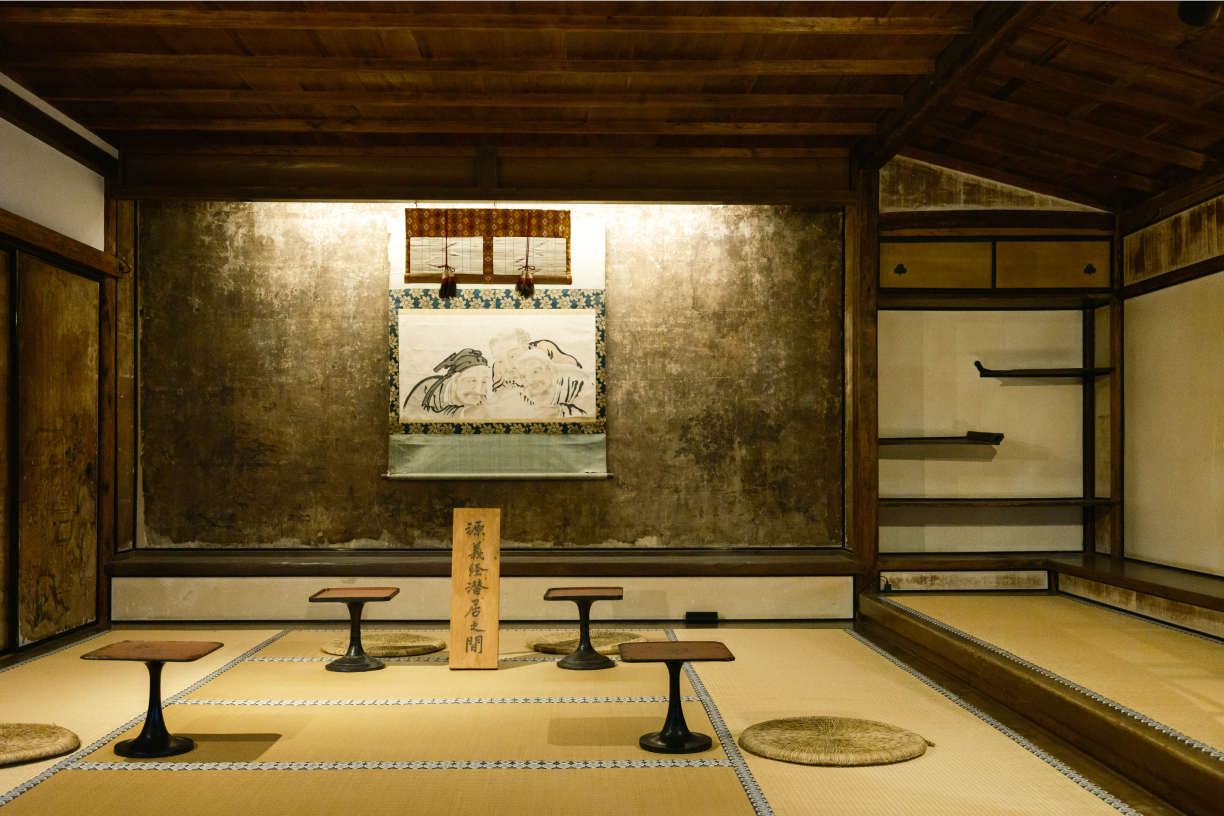
Tracing the footsteps of historical luminaries
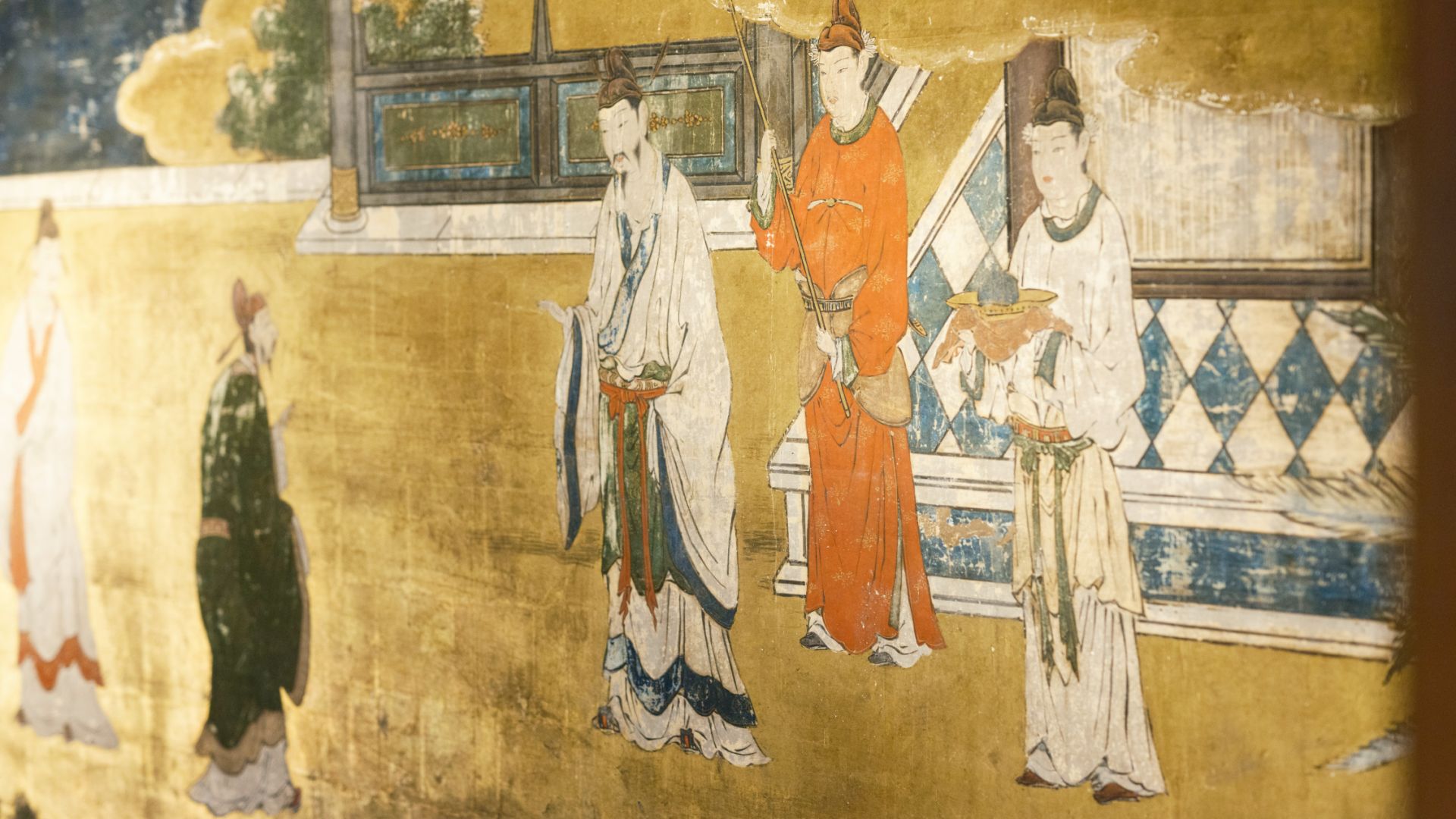
Next to the main hall of Yoshimizu Shrine is the Shoin—a building registered as a World Heritage Site. It’s one of Japan’s oldest examples of shoin architecture, in which rooms are designed to accommodate tatami matting and low furniture. You discover that the room where Emperor Go-Daigo stayed is still intact—you marvel at the architecture while also spending time to study the historical materials and treasures on display.
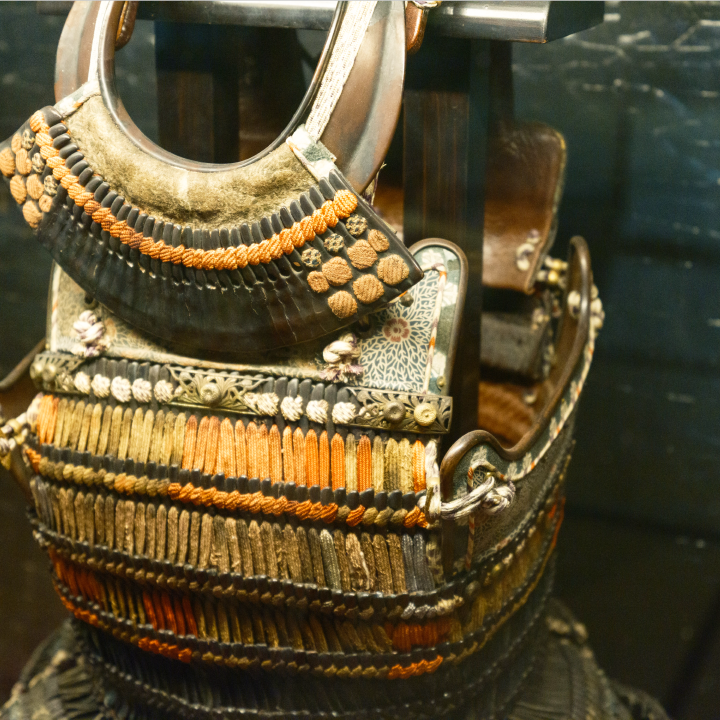
Another highlight is the room where Minamoto-no-Yoshitsune, a commander of the Minamoto samurai clan, hid himself when his half-brother, the clan leader Minamoto-no-Yoritomo, began to fear his ambitions and ordered him captured. On display is a captivating mix of fact and legend, including documents as well as a set of armor and a spear that may or may not have belonged to Yoshitsune and his retainer, the warrior monk Benkei.
You find that the whole building is filled with fascinating history—there are even items related to Toyotomi Hideyoshi’s cherry blossom viewing parties.
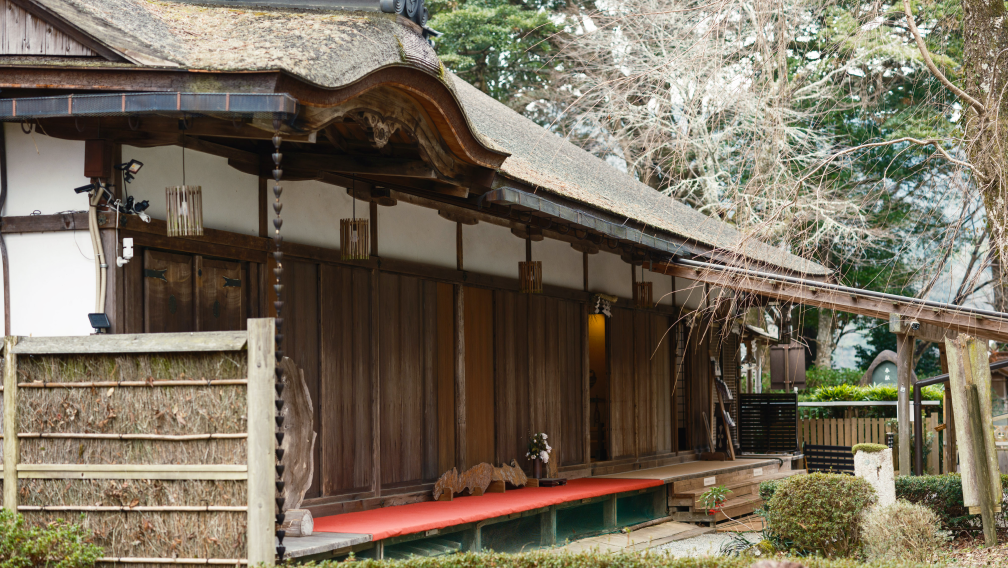
Shizukatei: Offering the best of Yoshino cuisine
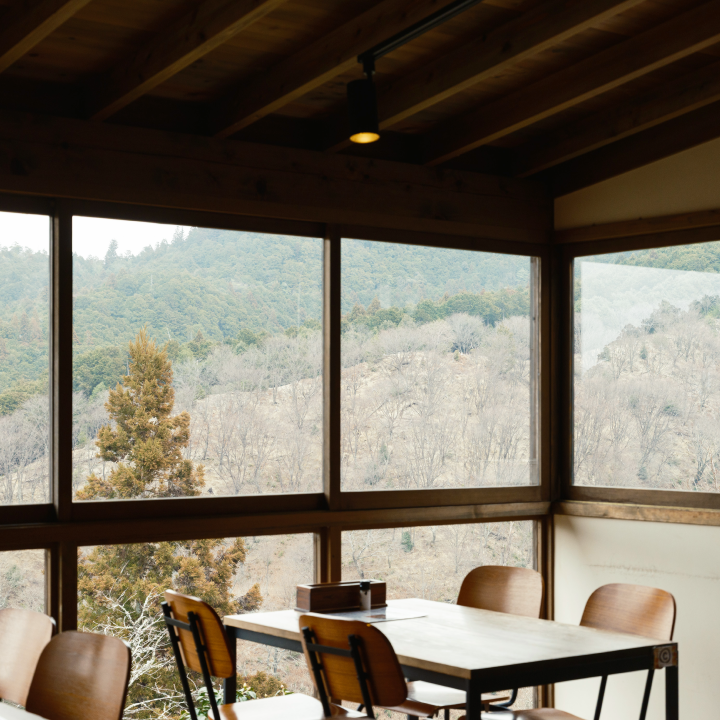
Kudzu is the secret ingredient
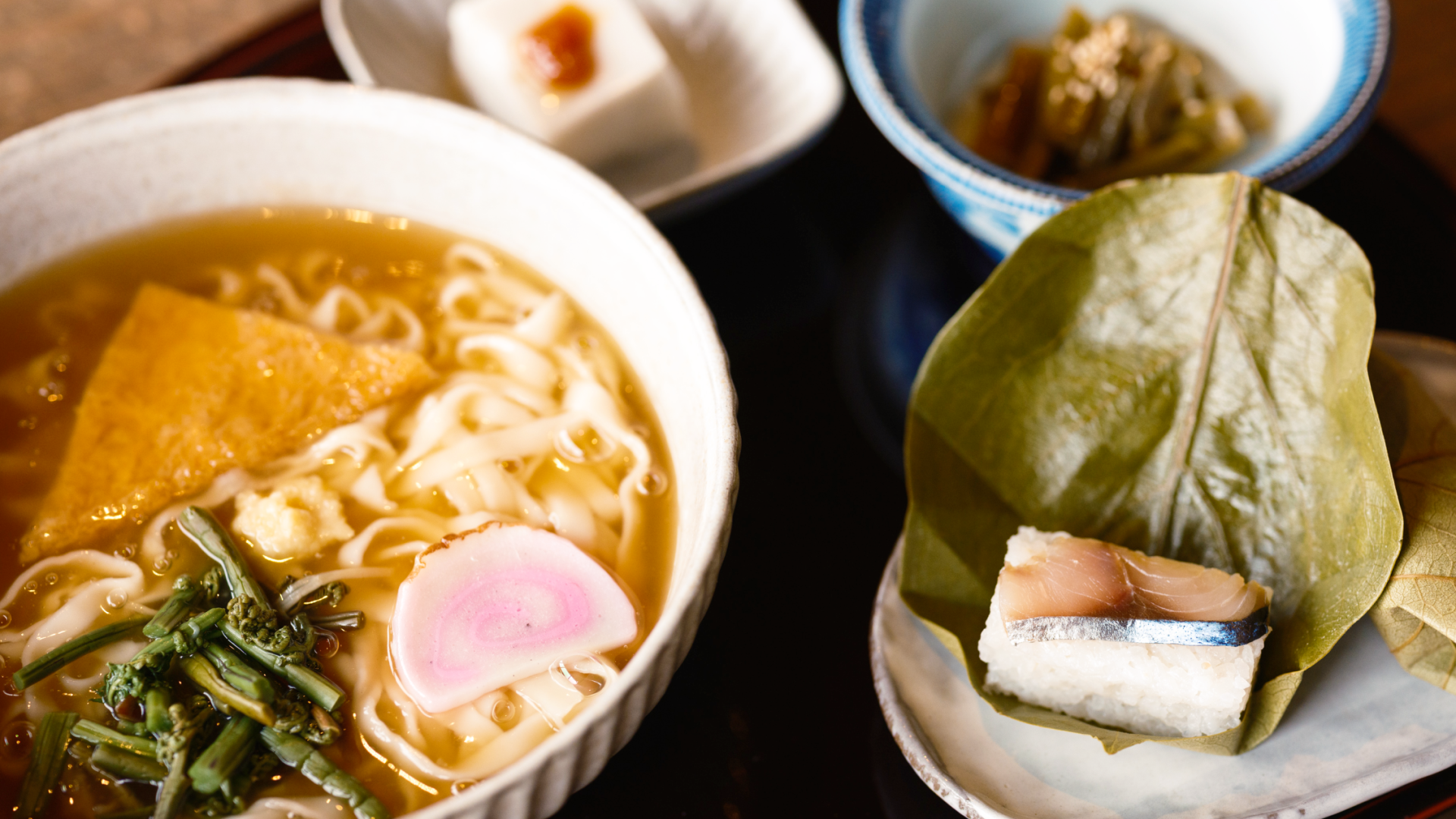
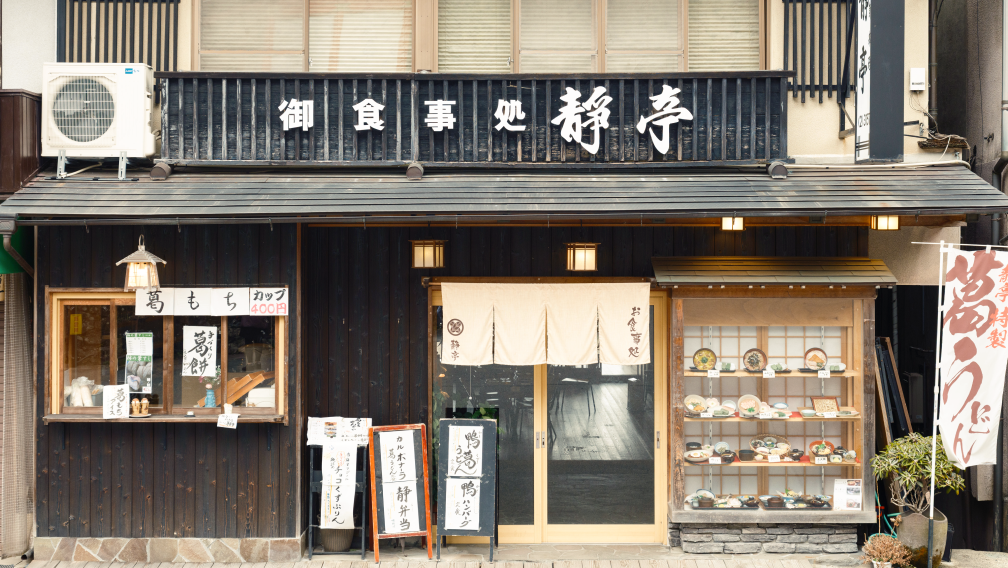
You decide to have lunch at Shizukatei, which is a short walk from Yoshimizu Shrine. It’s a family-owned establishment that has been run by three generations of women. You order the Kudzu Udon Noodle Set Lunch, a longtime favorite among regulars. These thick flour noodles are prepared with Yoshino’s famous kudzu starch, which gives them a slippery texture and a deep flavor. You also order a side of a type of preserved sushi called kaki-no-ha zushi, which is also delicious. Two Yoshino specialties in one meal—what a treat!
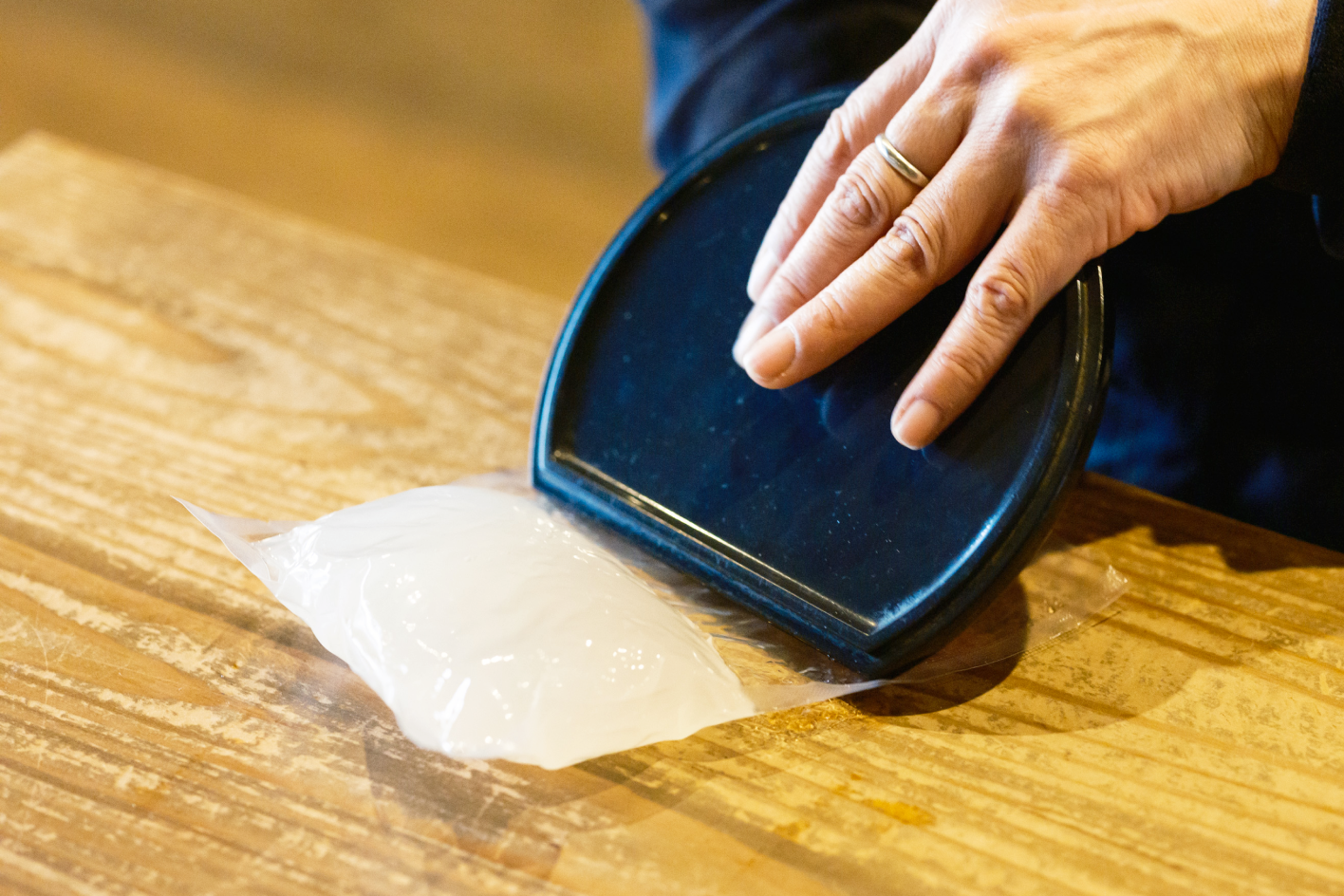
As you’re about to leave, you notice the staff wrapping some homemade kudzu rice cakes, and you can’t help but buy a few. Kudzu has a long history in Yoshino, where it has been used as medicine and nonperishable food. You learn that the Shugendo monks also carried kudzu with them when training in Mt. Yoshino as a portable source of nutrition. For a moment, you imagine yourself walking through the historical mountain ridge, eating kudzu rice cakes like a Shugendo monk. You smile at the thought and look forward to unwrapping your first cake.

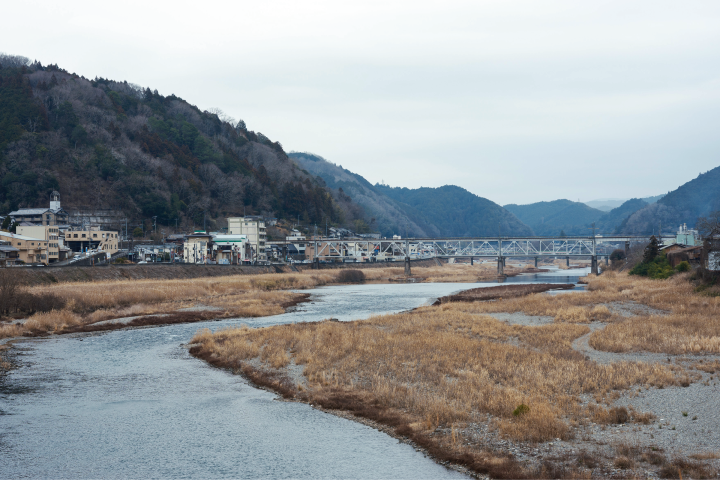
Once you’ve had your fill of Yoshino’s scenery, you make your way to Fairfield by Marriott Nara Tenri Yamanobenomichi.
An exhilarating night at Fairfield by Marriott Nara Tenri Yamanobenomichi
Encounters with regional sake and snacks
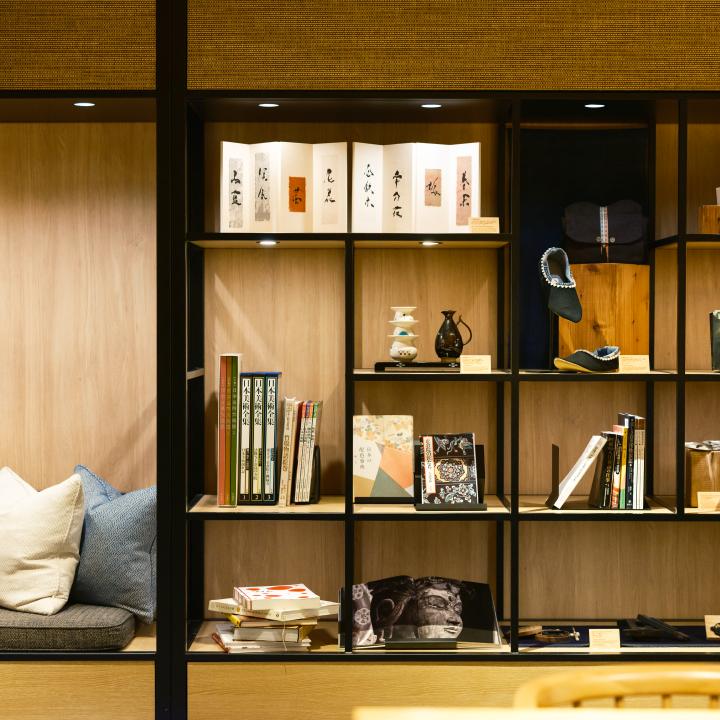
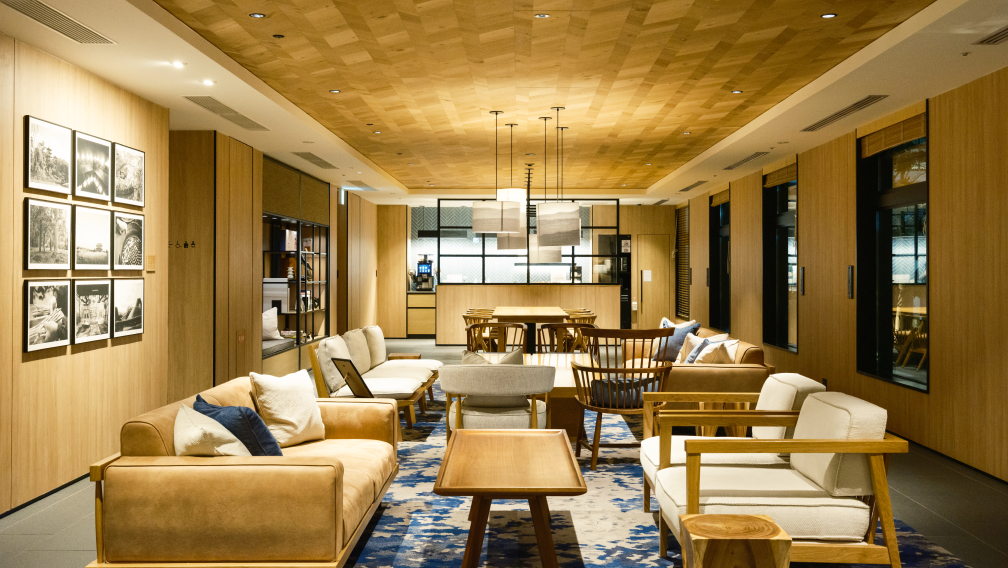
The hotel stands at a high elevation. From up here, the quietly blinking lights of the city spread all around you. You feel a little hungry, so you head to the Lobby Lounge and see what’s available in the Marketplace. You realize you’ve never seen any of these products—a staff member informs you they’re all made in Nara. Then, he goes into detail about every single item—you can tell he loves the prefecture!
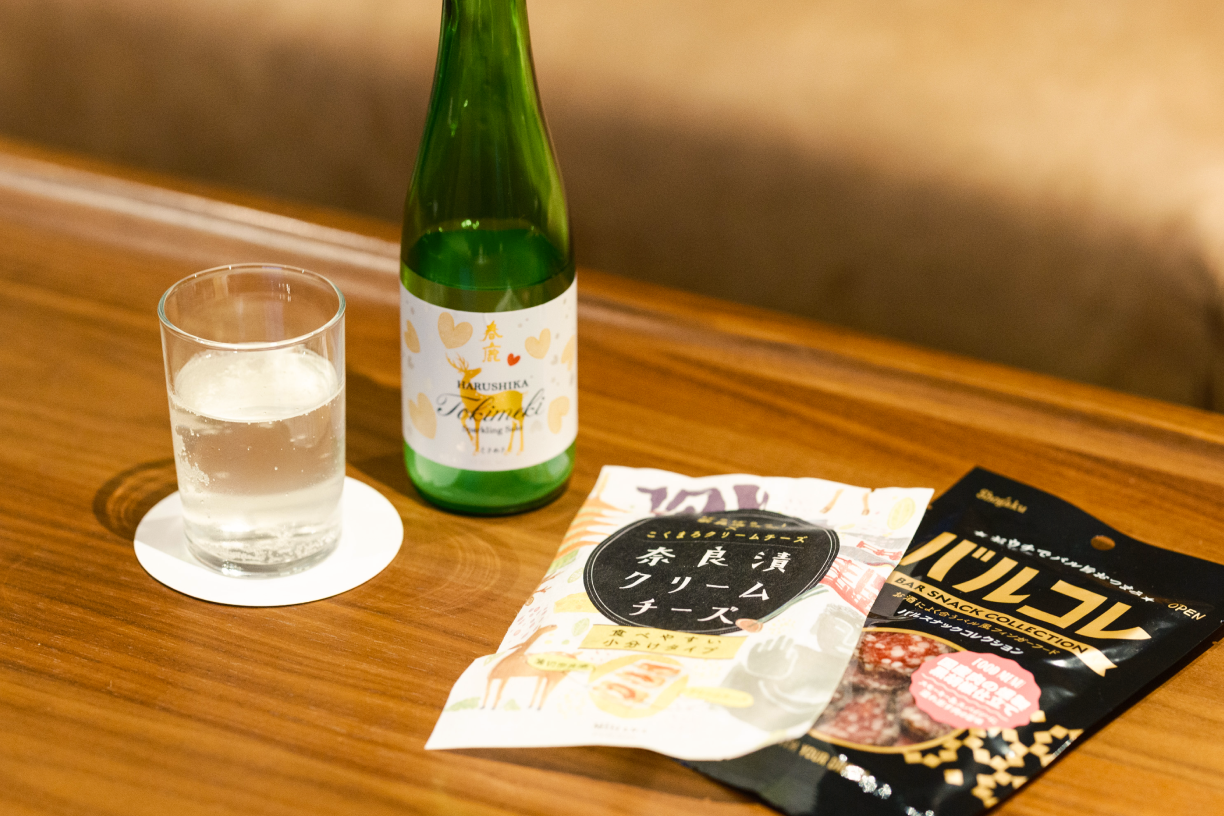
After mulling over your options, you decide to buy a small bottle of Tokimeki, a sparkling sake produced by the Harushika brewery in Nara City; a pack of cream cheese pickled in sake sediments left over from sake production, produced by Mihara Foods right here in the city of Tenri; and some smoked meats produced by Nara Shogaku in the town of Ikaruga.
The cream cheese in particular surprises you—you’ve never tasted anything like it. The flavor is so refined, perfectly balancing a subtle sweetness with saltiness, the pungent scent of pickled food, and the creaminess of the cheese. It goes great with the sparkling sake, the soft bubbles delivering a refreshing aftertaste. You find yourself thinking about the depth of the region—the layers and layers of history that have accumulated on Mt. Yoshino and the intricate flavors you’ve discovered in the food. It looks like Nara is a place full of surprises, whether you’re hiking through mountains or sitting back with a drink in your hand.
Per Night Per Room from ¥15,730