

Exploring the active Sakurajima volcano—and the cities surrounding it
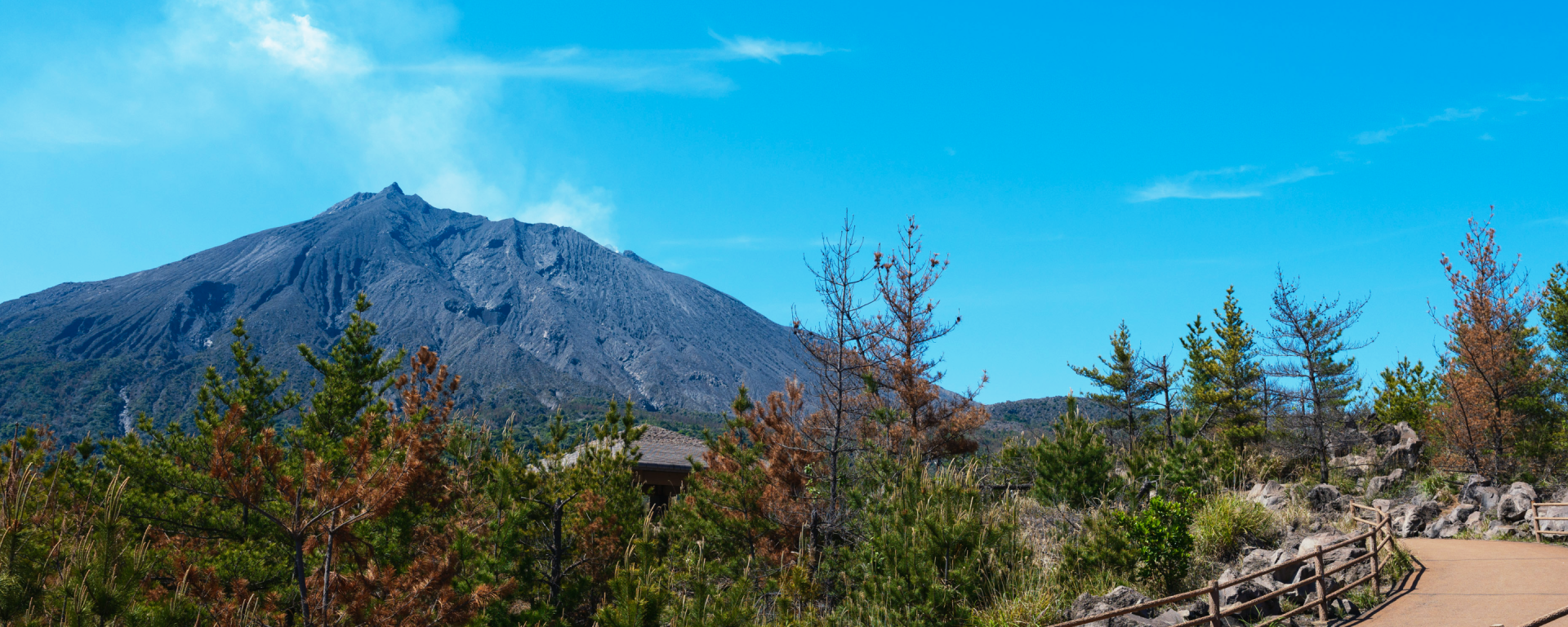
Sakurajima is an active volcano—once an island but now a peninsula—located in the middle of a bay in Kagoshima. Its history of volcanic activity has given its natural environment a distinctive look and has even shaped the lives and culture of the locals. For example, there’s a torii gate almost entirely buried in hardened lava—just one of many traces of past eruptions you can find throughout the peninsula. You’re planning a two-day trip that will take you around what sounds like a fascinating place, via both car and ferry.
Taking the ferry from Kagoshima City to Sakurajima
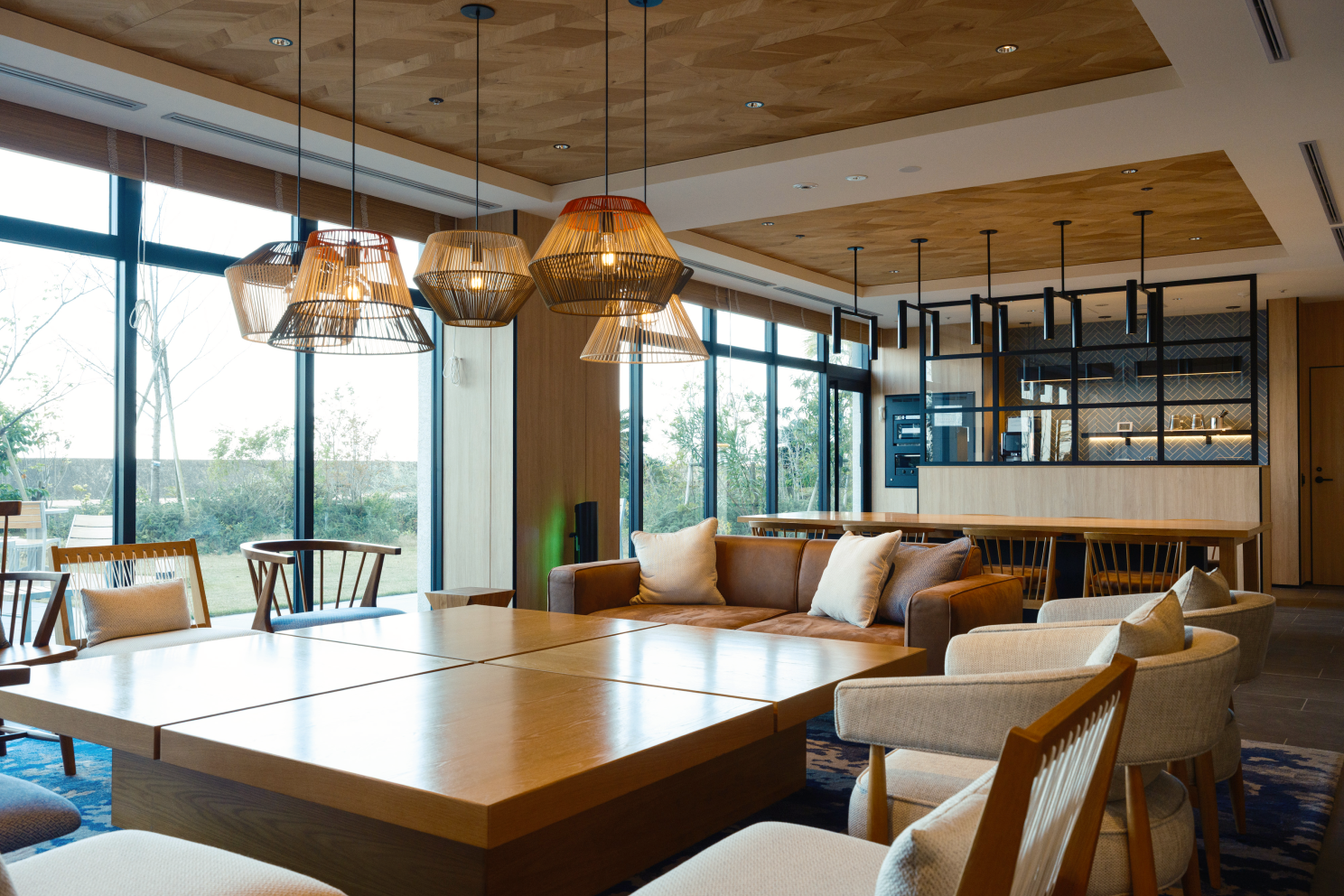
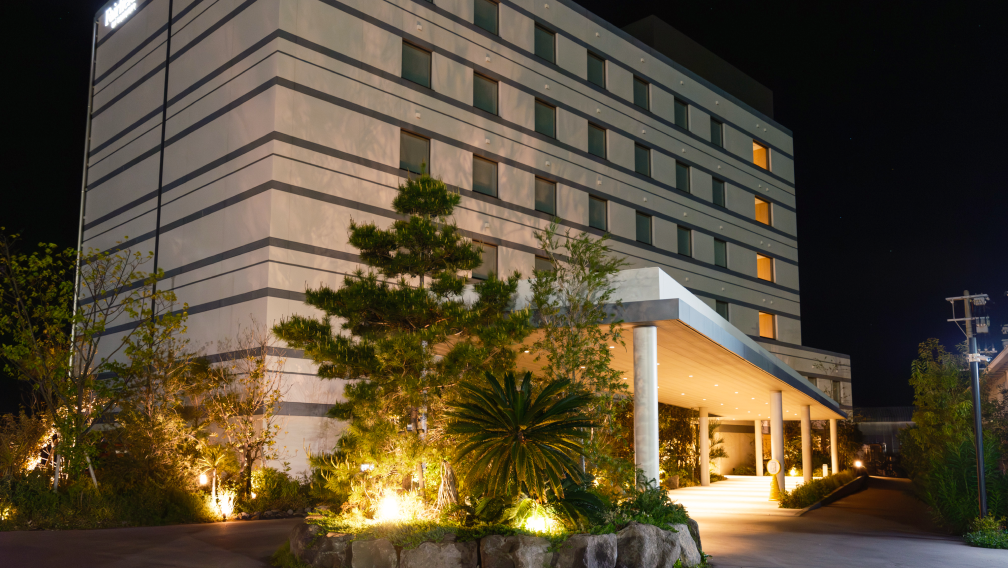
You’re going to set up base at the Fairfield by Marriott Kagoshima Sakurajima, which is located right along the bay and provides unobstructed views of the volcano. Conveniently, it’s located next to Michi-no-Eki Tarumizu Hamabira—one of many roadside stations located across Japan that offer local food, produce, crafts, and even tourism information.
09:00 Kagoshima-Chuo Train Station
09:20 Kagoshima Port Sakurajima Ferry Terminal
09:55 Sakurajima Port Ferry Terminal
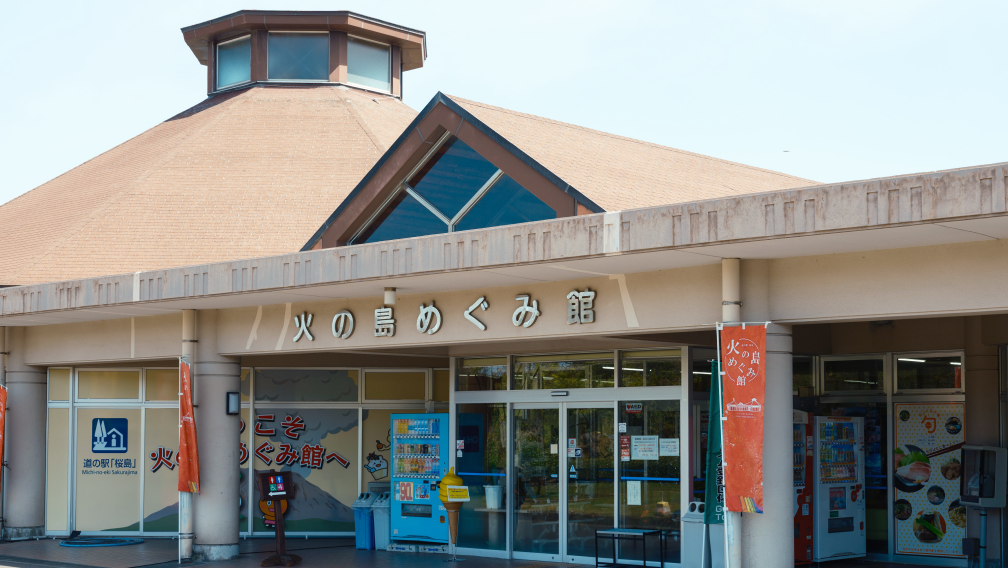
10:30 Michi-no-Eki Sakurajima Hi -no -Shima Megumi-kan
12:10 Arimura Lava Observatory
13:00 Kurokami Buried Torii
13:30 Lunch at Umi no Okan
14:45 Michi-no-Eki Tarumizu Hamabira
16:10 Fairfield by Marriott Kagoshima Sakurajima
Day 1 Total Distance: 43.72km
Day 1 Total Travel Time: About 2 hours 5 minutes
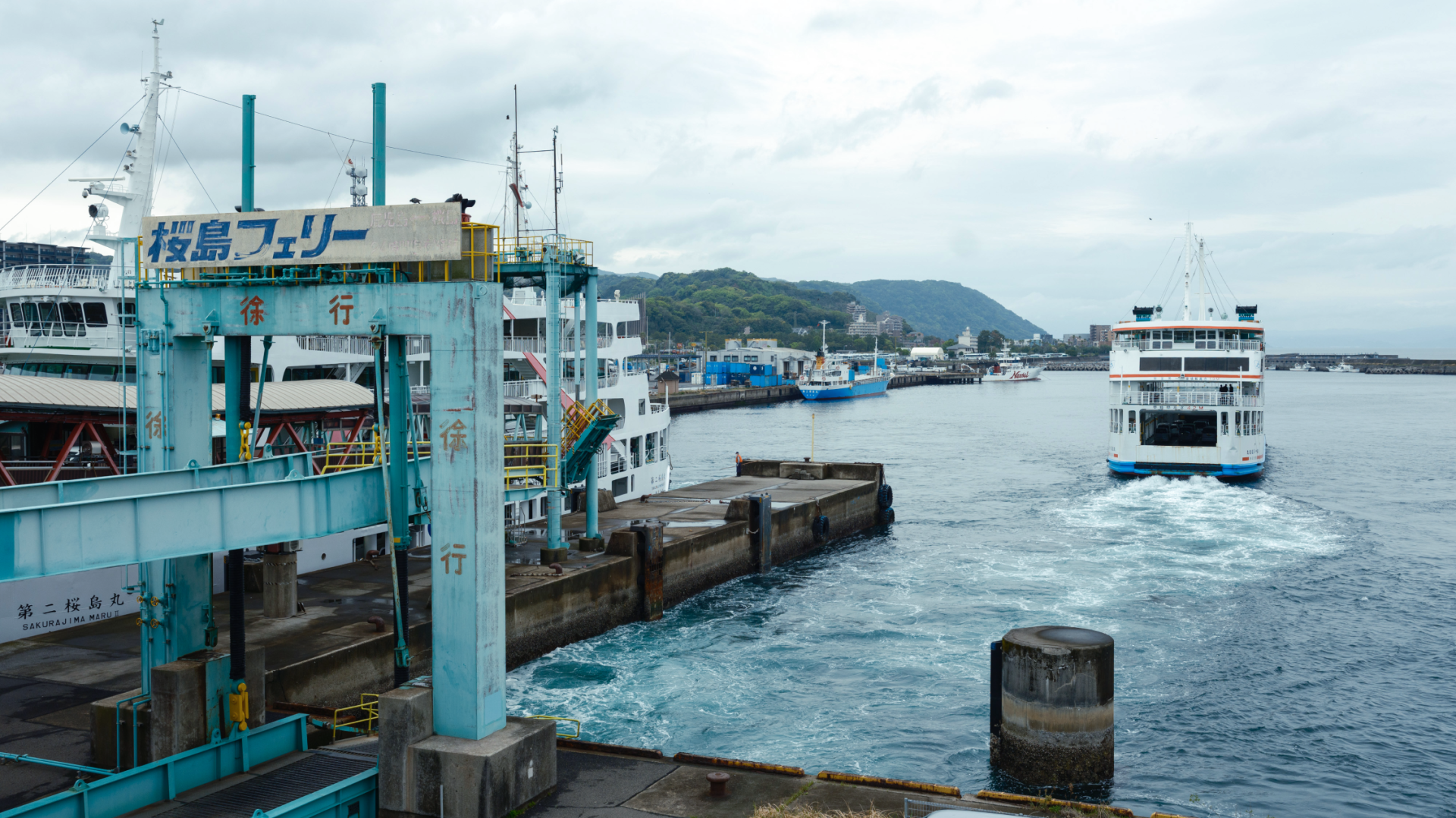
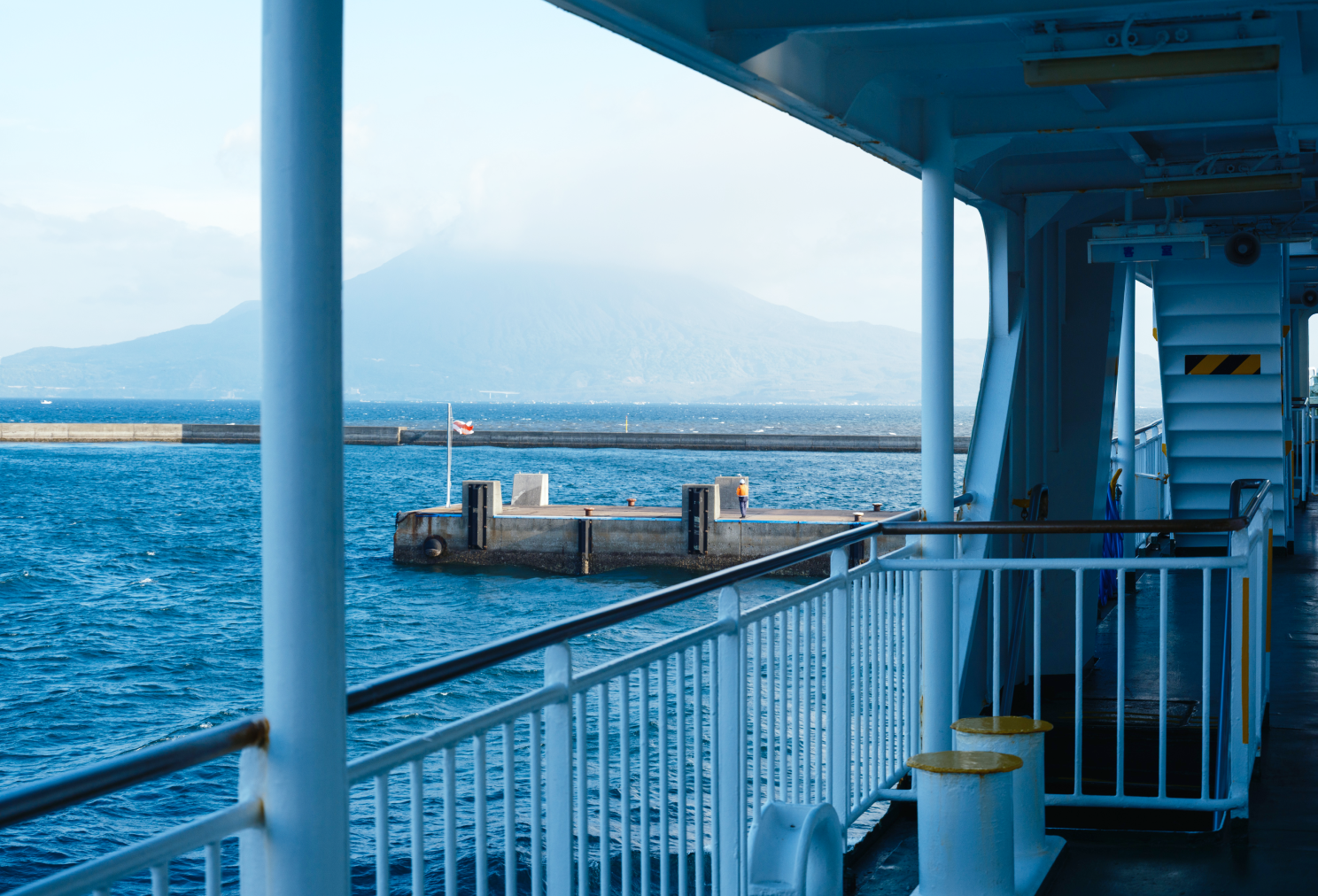
You’ve decided to spend the morning of Day One on Sakurajima, which you’ll access by driving your car onto a ferry at a port in Kagoshima City. You hope to learn about the culture and history shaped by this active volcano before taking the ferry to the city of Tarumizu, where your hotel is located.
***

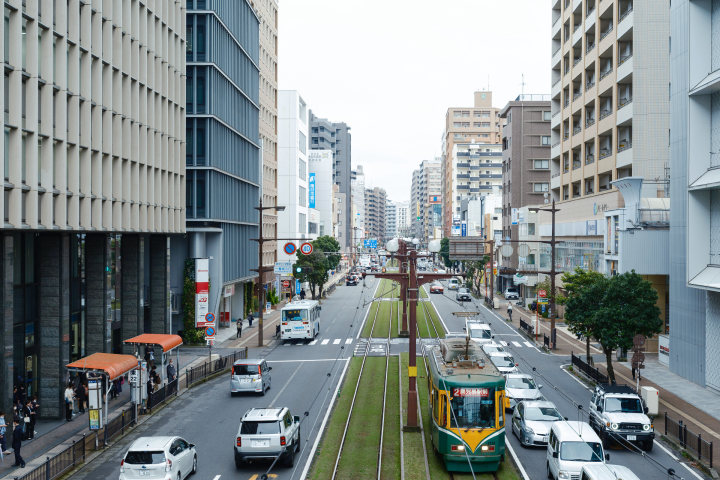
You leave behind the bustle of Kagoshima City as you enter the port from where you’ll sail to Sakurajima.
A 15-minute cruise from Kagoshima Port to Sakurajima Port
Ferries for everyday travel and tourism
The Sakurajima Ferry operates a 3.5-kilometer (2.2-mile) route that connects Kagoshima City and Sakurajima. It’s about 15 minutes one way and requires no reservations—which is why both locals and tourists frequently use it. If you’re on a road trip, it’s very easy to make a detour to Sakurajima.
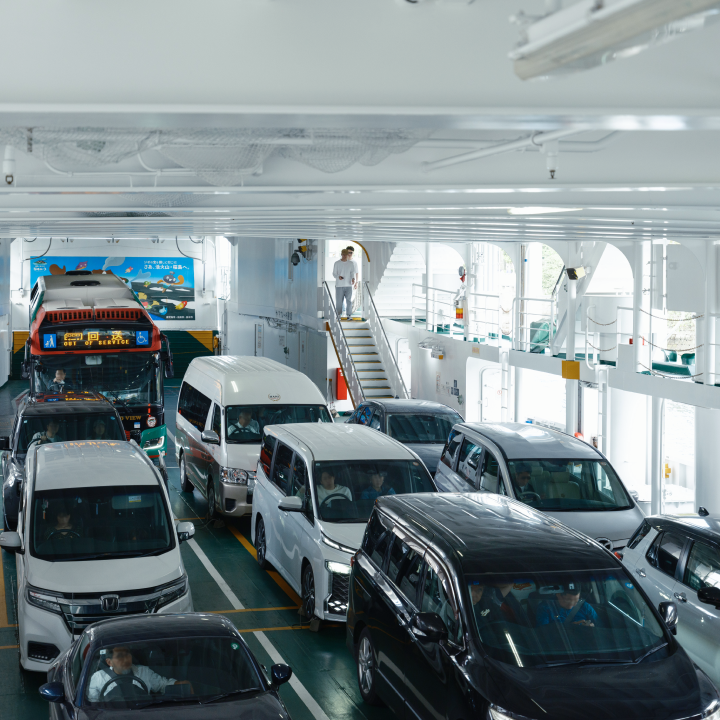
There’s a kiosk on the ferry and even a noodle stand that operates only on the ferry specializing in thick udon noodles! It’s a short trip, but the experience of driving right onto the ferry fills you with excitement for the journey that’s about to begin.
At your destination, you drive off the ferry, pay the fare at the gate, and enter Sakurajima. It feels much more tropical here than it did in Kagoshima City. You find your mind drifting towards the colorful sights you’ll see as you drive around the volcano.
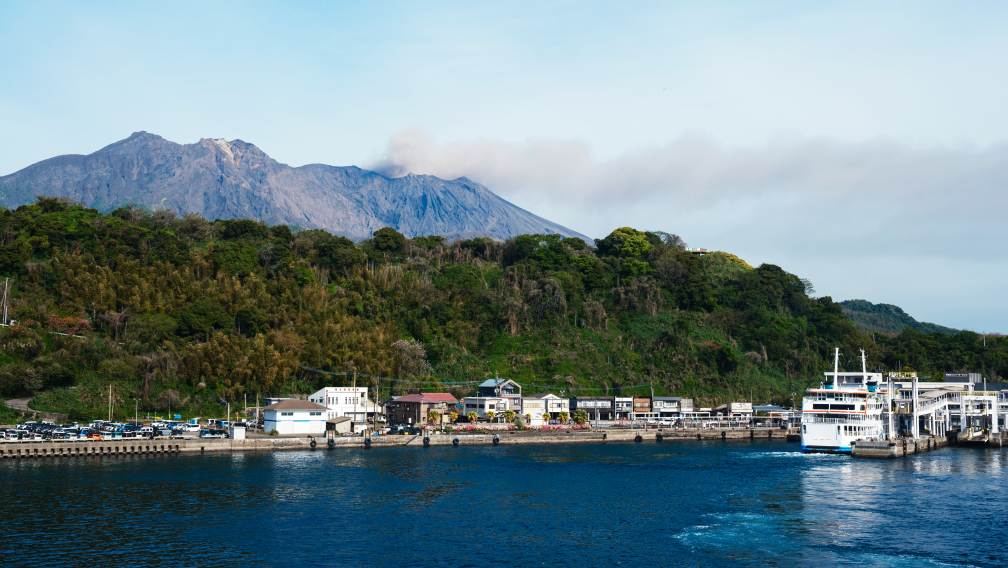
Michi-no-Eki Sakurajima Hi -no -Shima Megumi-kan: A treasure trove of local specialties
Citruses and daikon radishes
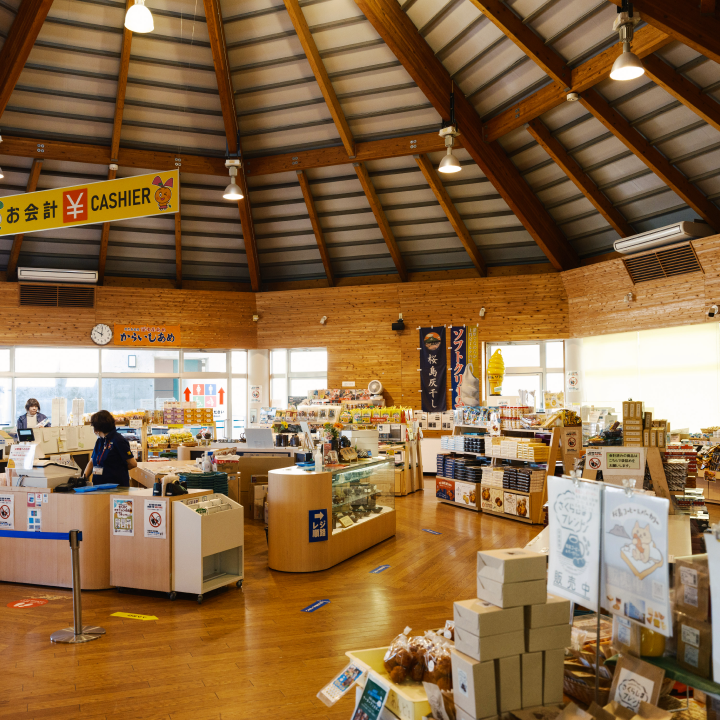
You first head to Michi-no-Eki Sakurajima Hi-no-Shima Megumi-kan, located near the Sakurajima Port Ferry Terminal. You want to make sure you get your souvenir shopping done before you forget!
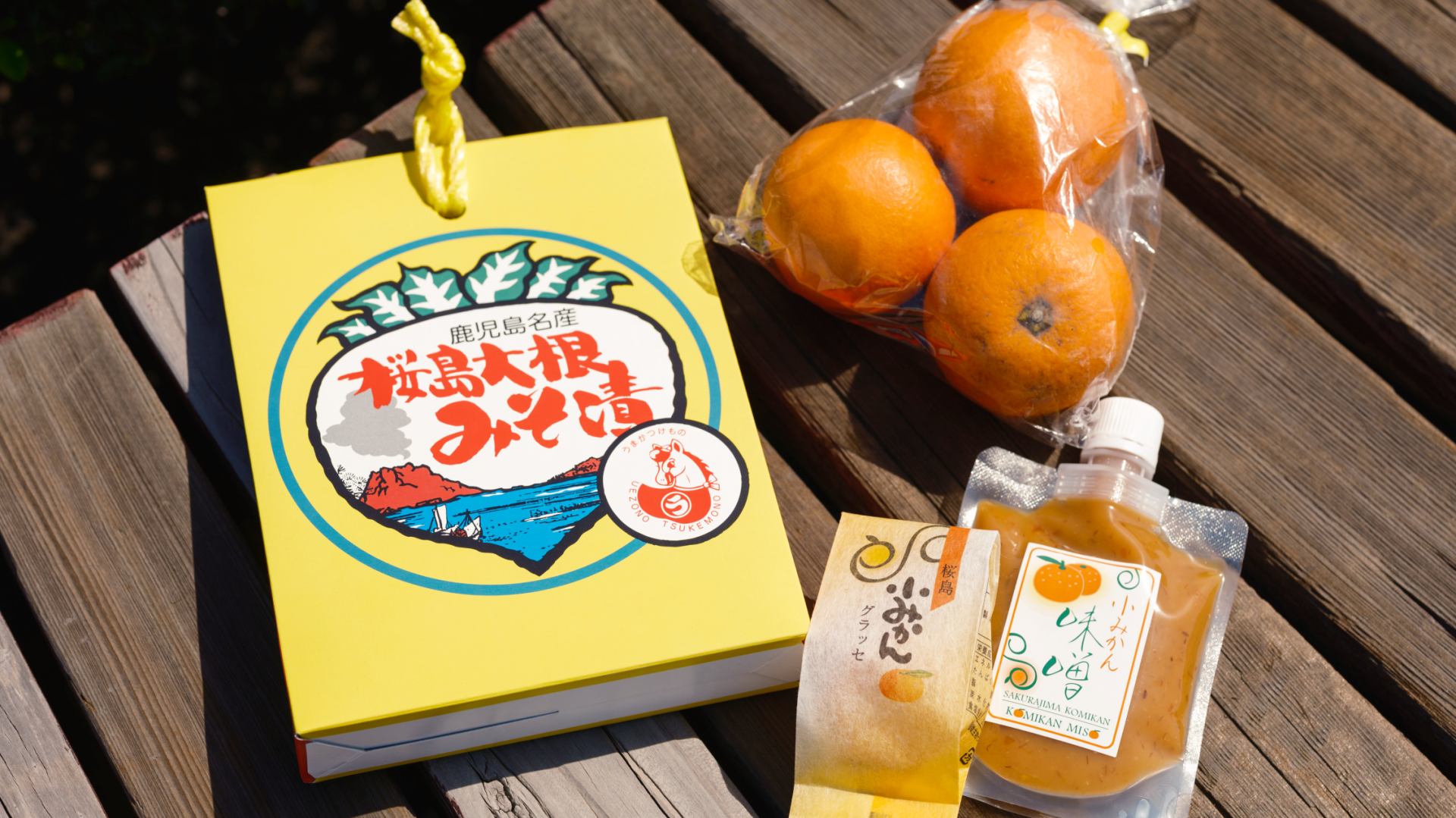
The shop inside the michi-no-eki complex is stocked with local specialties, including oranges as well as food products like daikon radish pickled in miso, a miso dressing flavored with komikan mandarins, and glacé komikan.
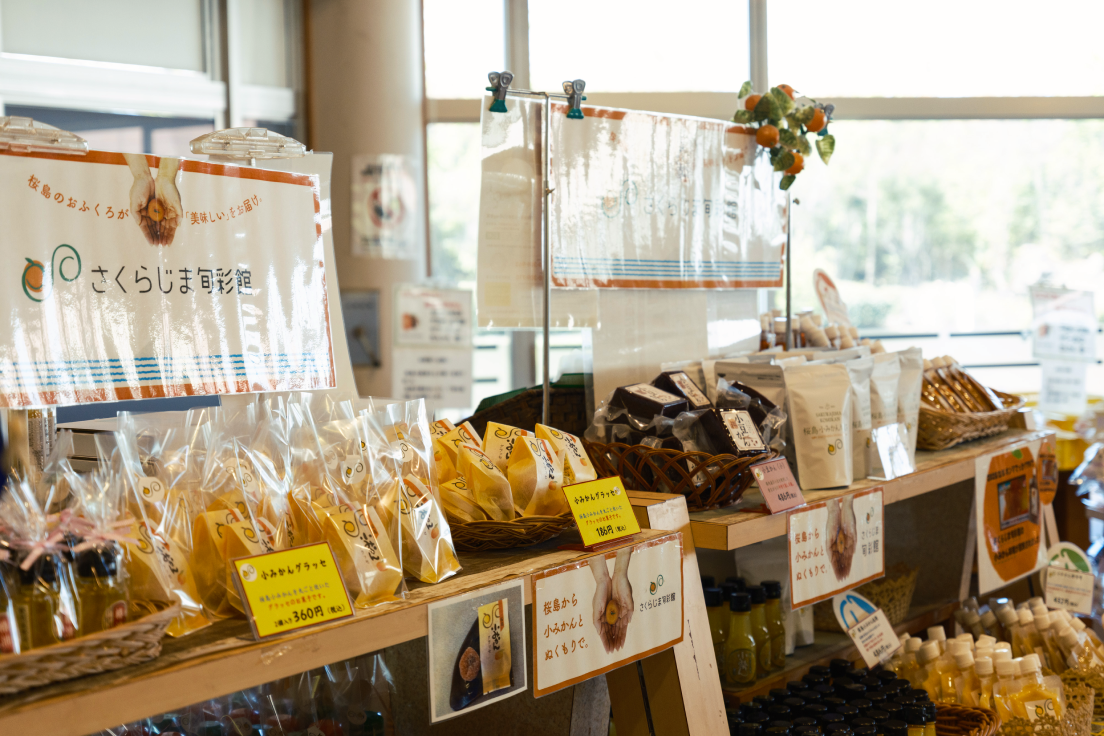
Since Sakurajima is known for its radishes and citruses, that’s where your eyes go. You learn from the shop staff that the komikan products are actually made right next door at Sakurajima Syunsaikan. By learning firsthand about these local flavors, you feel like you’ve given yourself a head start towards understanding this place before you’ve even begun touring it.
Arimura Lava Observatory: The beating heart of Sakurajima
Views of lava chunks and Kagoshima Bay
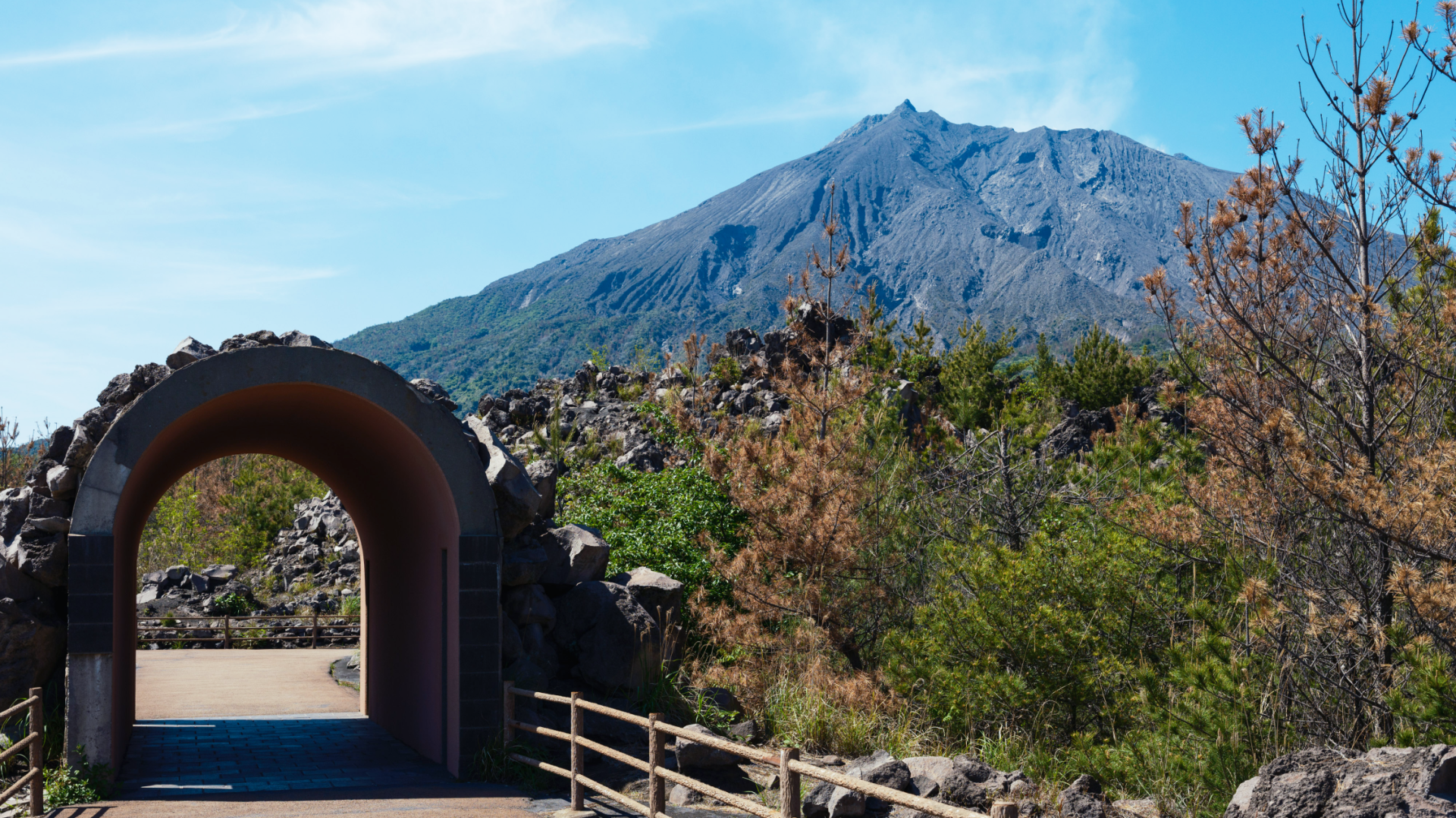
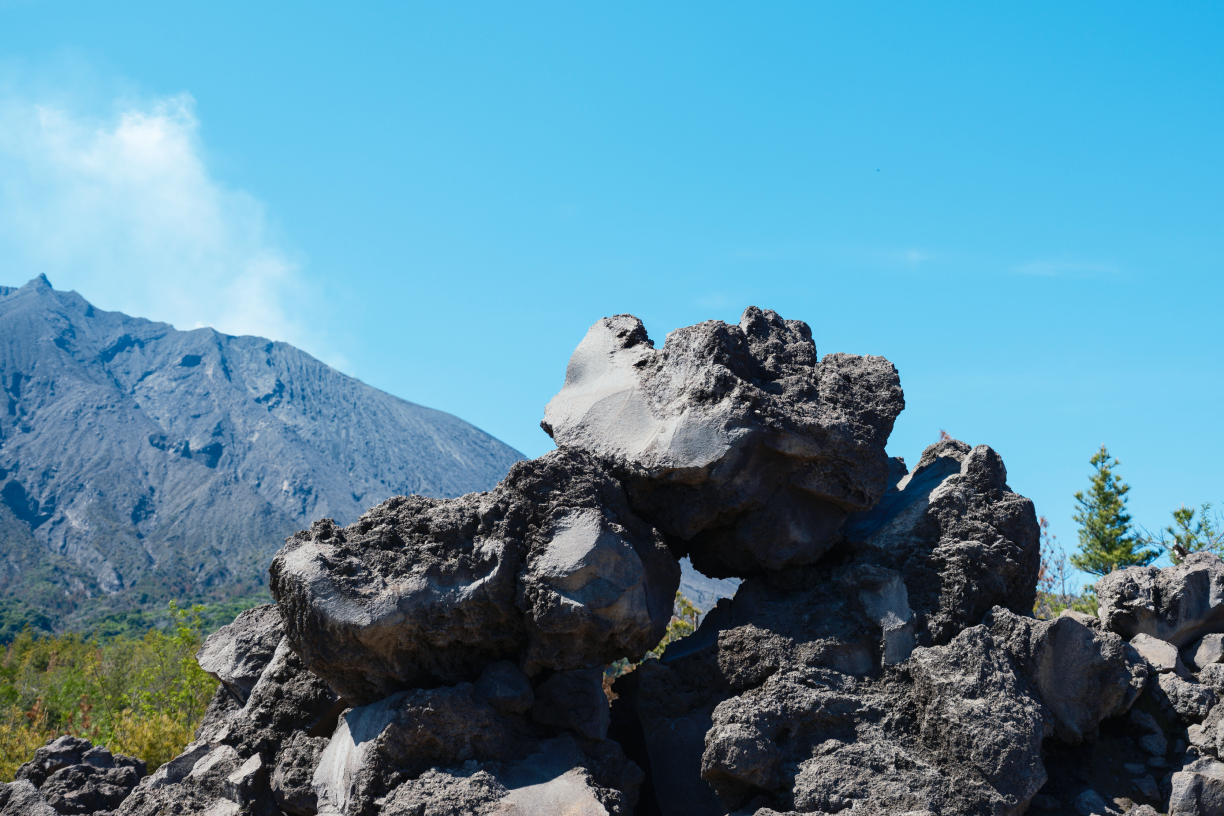
You drive along the road until you get to the Arimura Lava Observatory, located on a lava field that spreads south from the volcano’s southern peak. Formed after an eruption in 1946, the field now has a 1-kilometer (0.6-mile) pedestrian path built across it so visitors can get an up-close look at the rugged lava-shaped terrain.
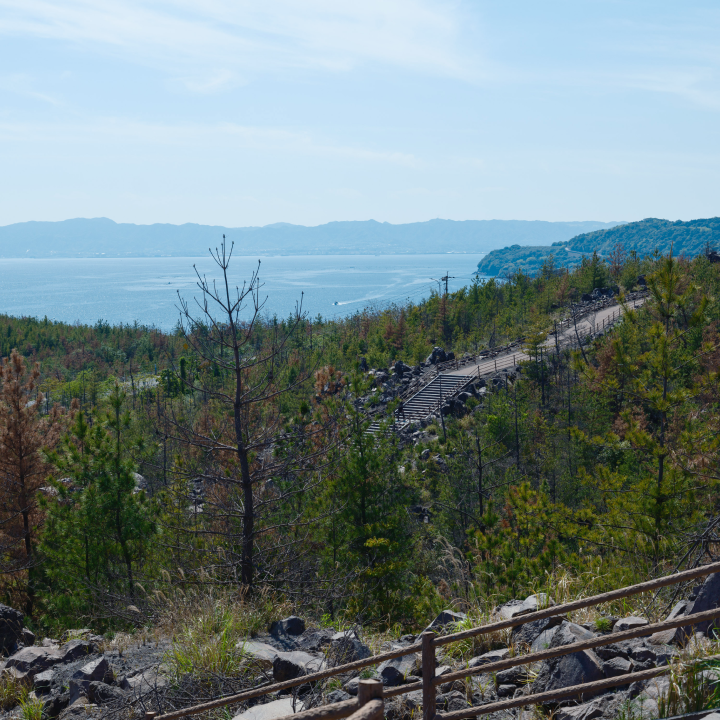
Circling the path takes about 30 minutes, but there are several observation points along the way that entice you to spend several minutes looking up at the volcano—and even the other way to gaze at Kagoshima Bay (known locally as Kinko Bay) and Kagoshima City. Several times, you encounter lava chunks sitting just off the path. The formations are so dynamic, you feel like they might move at any moment.
Kurokami Buried Torii: Memories deep within the earth
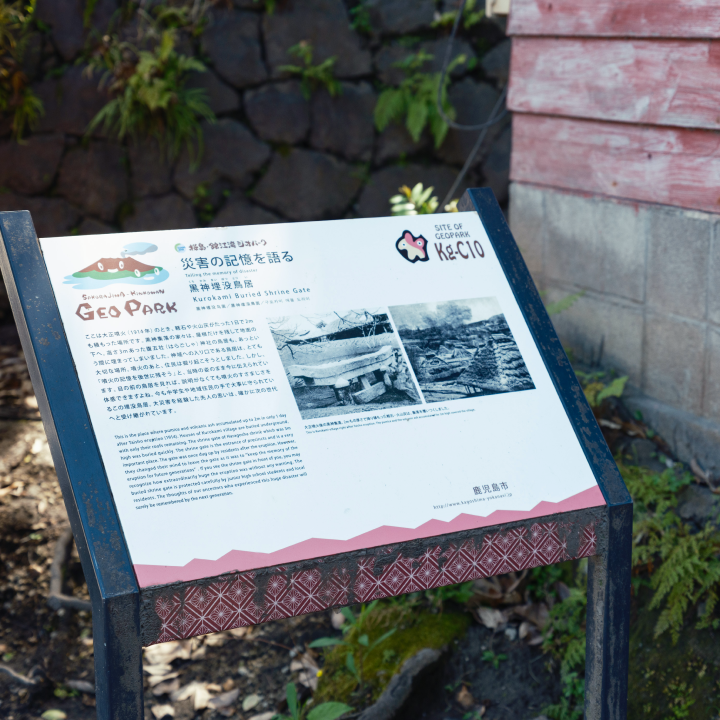
Preserved as is by choice
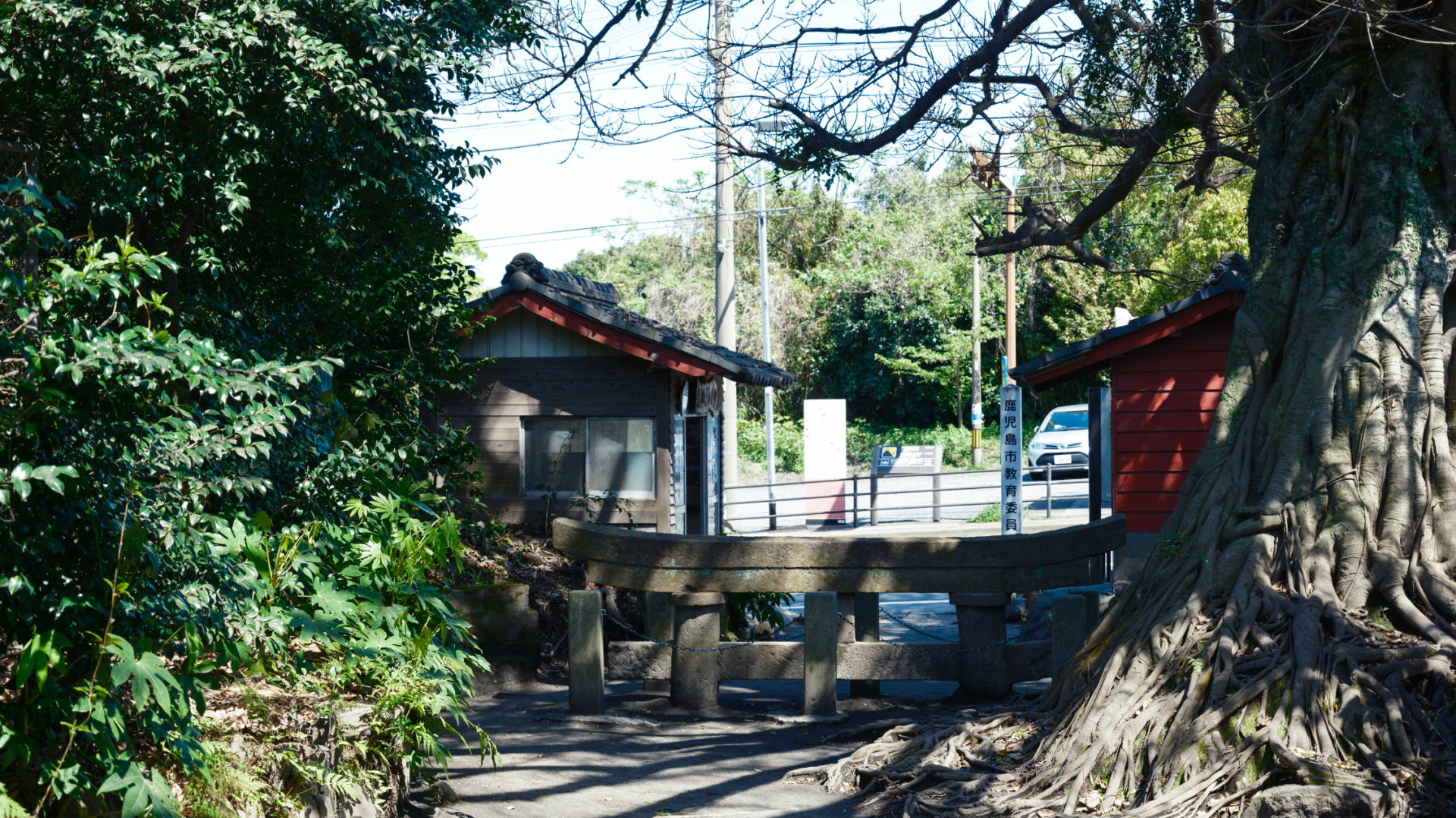
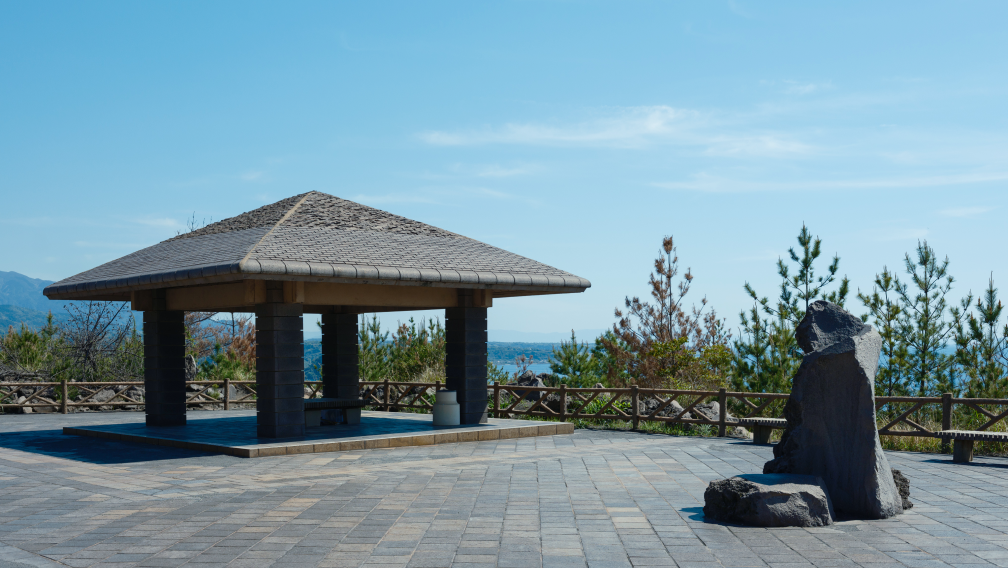
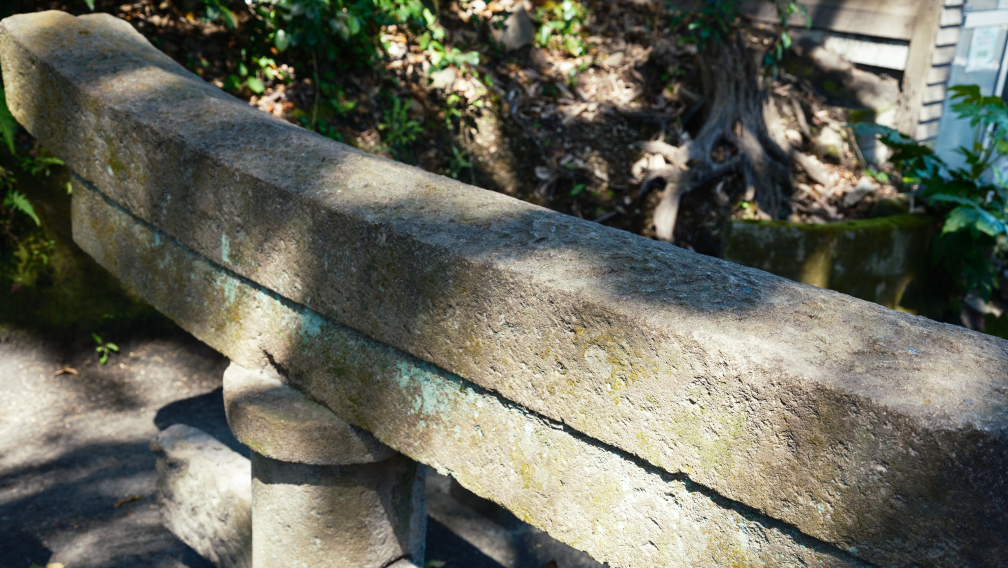
Your last stop on your drive around Sakurajima is the Kurokami torii gate at the east side of the volcano. After an eruption in 1914, the gate was almost entirely buried by volcanic ash and pumice. It’s believed to be about 3 meters (10 feet) tall, but today only the timber support beam at the top is visible.
The locals decided not to dig the torii out—they wanted to leave a message for later generations about the power of nature. You find it effective; you couldn’t even begin to imagine the amount of ash that can collect after a volcanic eruption without this visual testament.
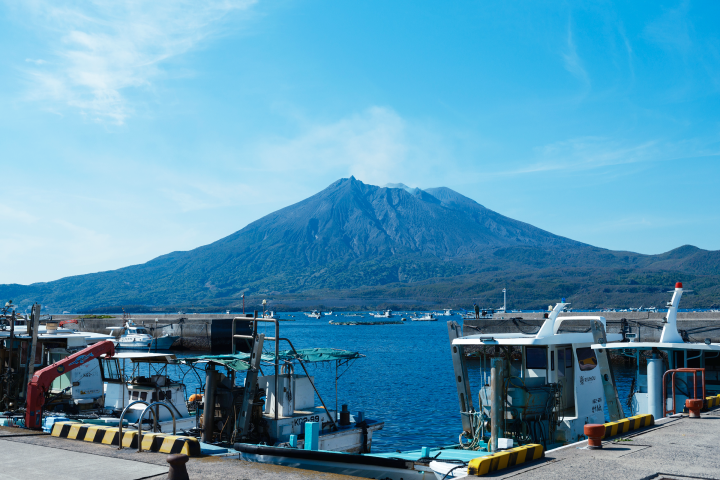
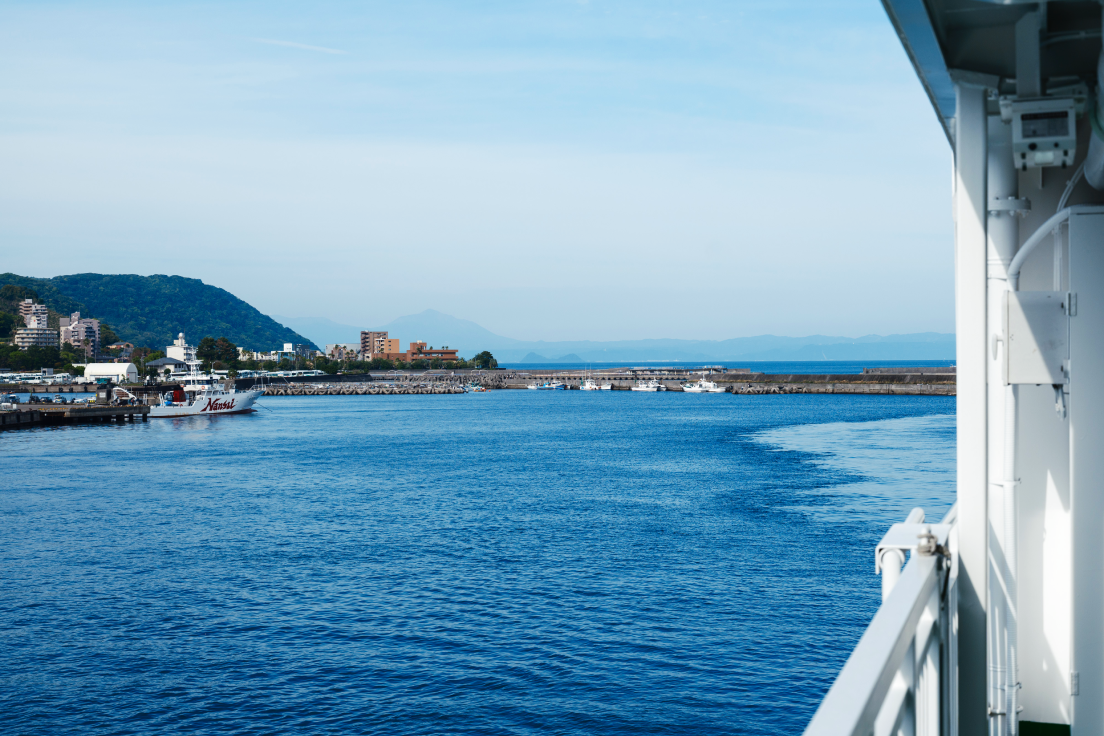
You depart Sakurajima for Tarumizu Port. As the ferry rounds the peninsula, Kagoshima Bay opens up before your eyes.
Umi no Okan: Fresh amberjack straight from Tarumizu Port
Amberjack served four ways
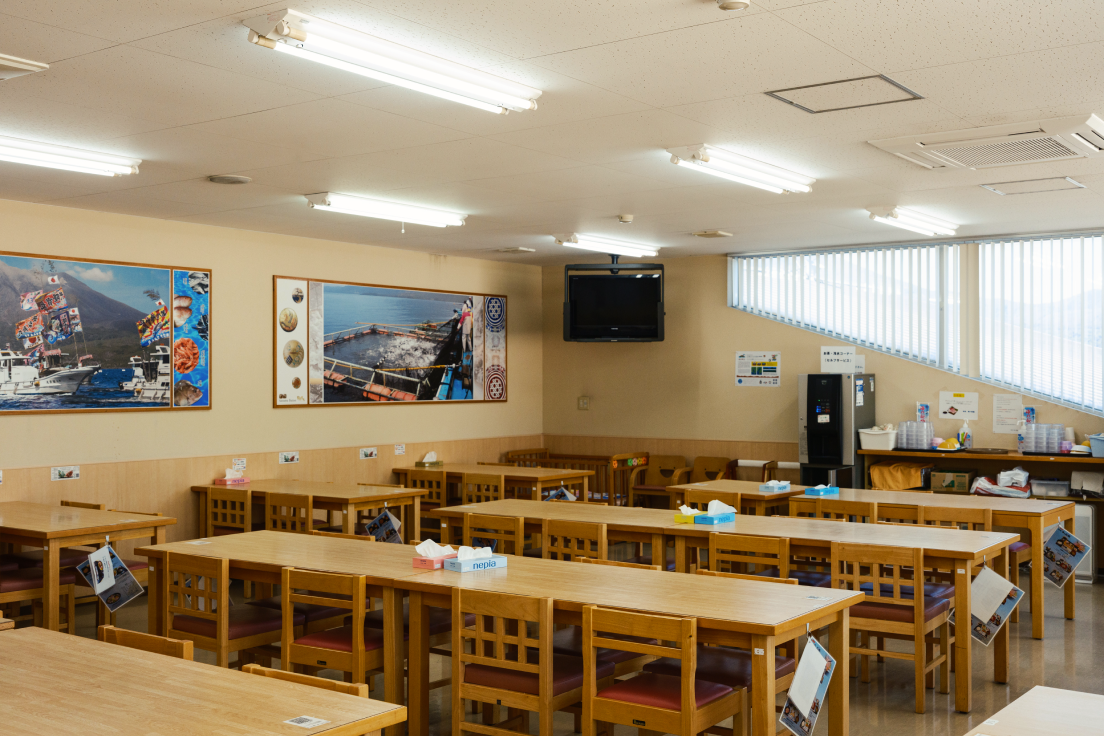
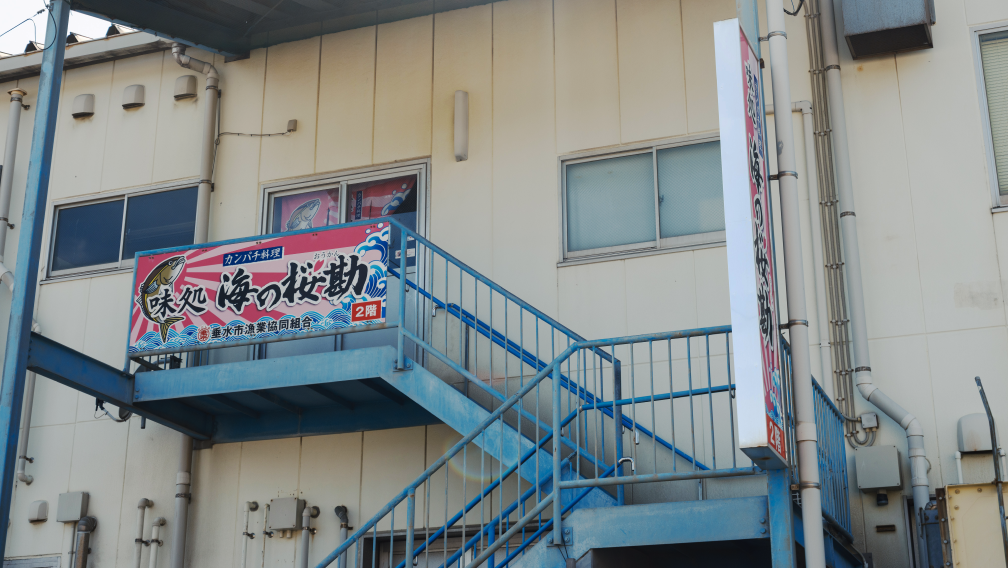
For lunch, you visit Umi no Okan, a restaurant operated by Tarumizu’s fishery cooperative. It’s named after the brand of local amberjack, famously full of vitamin E and low in cholesterol due to the locally sourced tea leaves mixed into its feed.
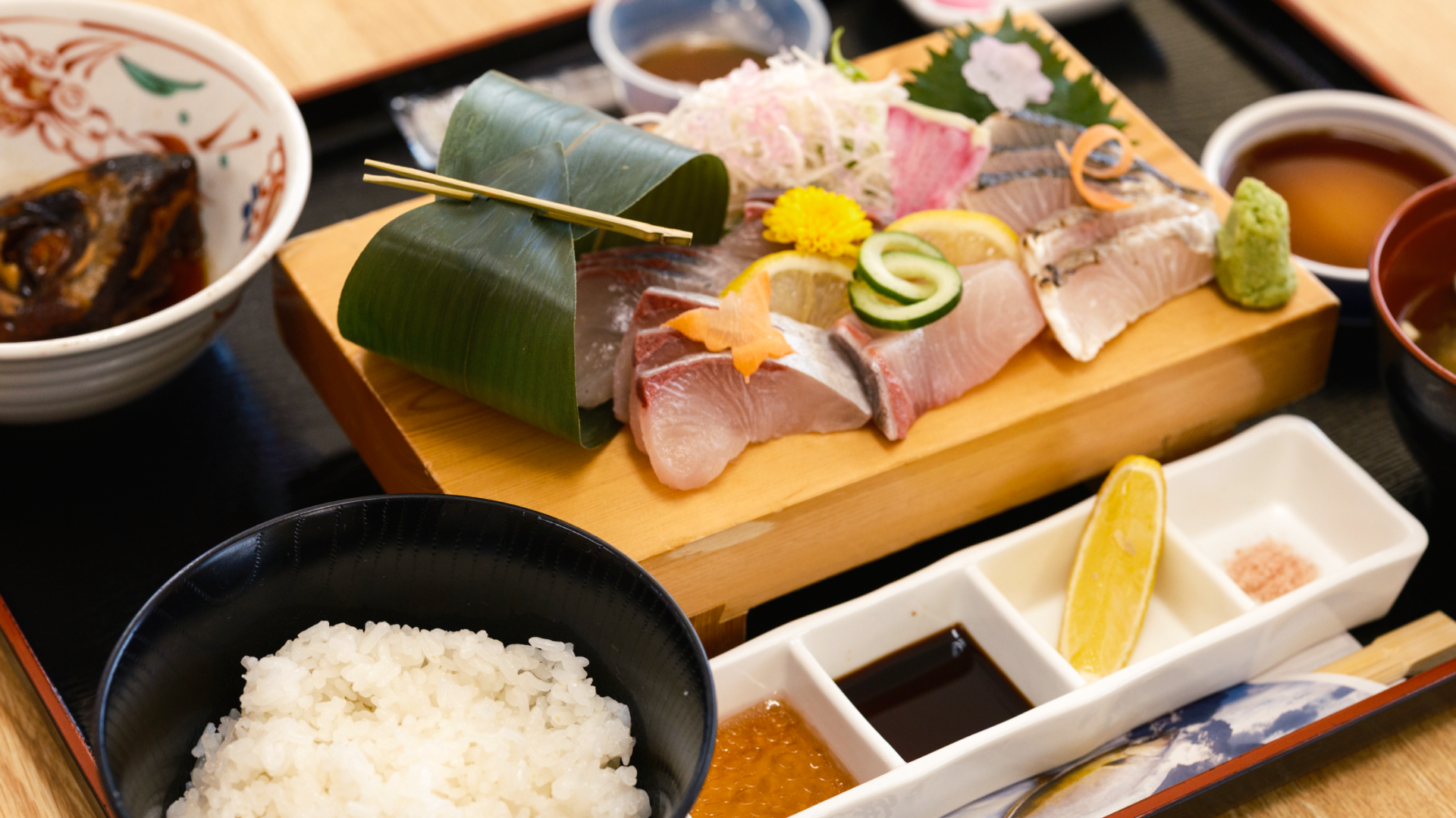
The restaurant is located right next to the port, which means the amberjack served here is super fresh—the reason for the restaurant’s popularity. You order the Sego-don Set Meal, which comes with three types of amberjack sashimi: top loin, belly loin, and seared. There’s even a side of simmered fish head that has been cooked for so long, even the bones are soft! As the staff brings your food, they explain which parts of the fish were used.
The meal is served with a variety of condiments for the sashimi, including a fish dressing, soy sauce, lemon juice, salt, and a soy sauce marinade. The fish dressing in particular gives the sashimi a carpaccio-like flavor—something you weren’t expecting in Japan! You’re glad to have so many options for enjoying your sashimi.
Michi-no-Eki Tarumizu Hamabira: Local produce and great views
Shopping, eating, and enjoying the scenery
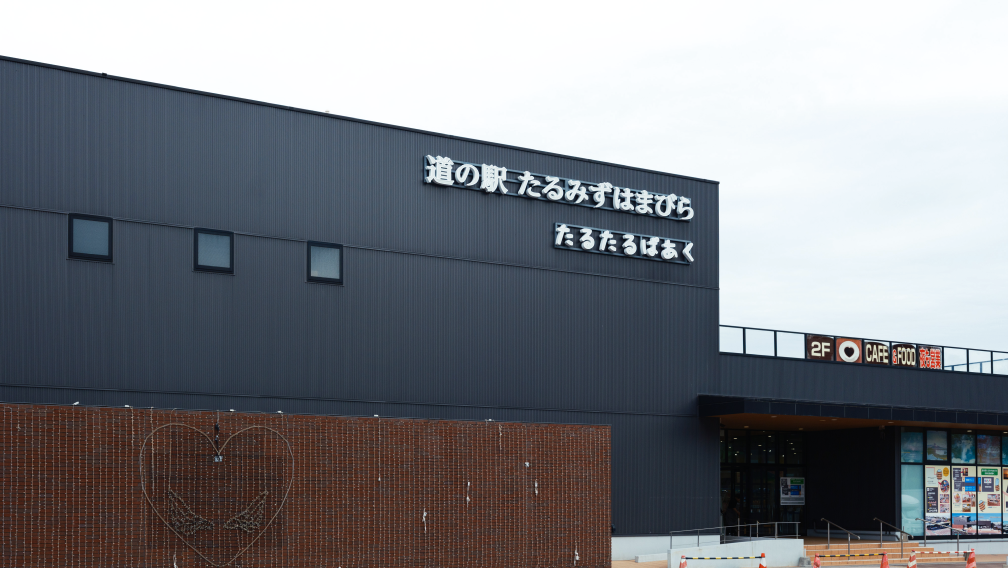
Before checking into the Fairfield by Marriott Kagoshima Sakurajima, you decide to stop at Michi-no-Eki Tarumizu Hamabira, which is just a couple minutes’ walk away.
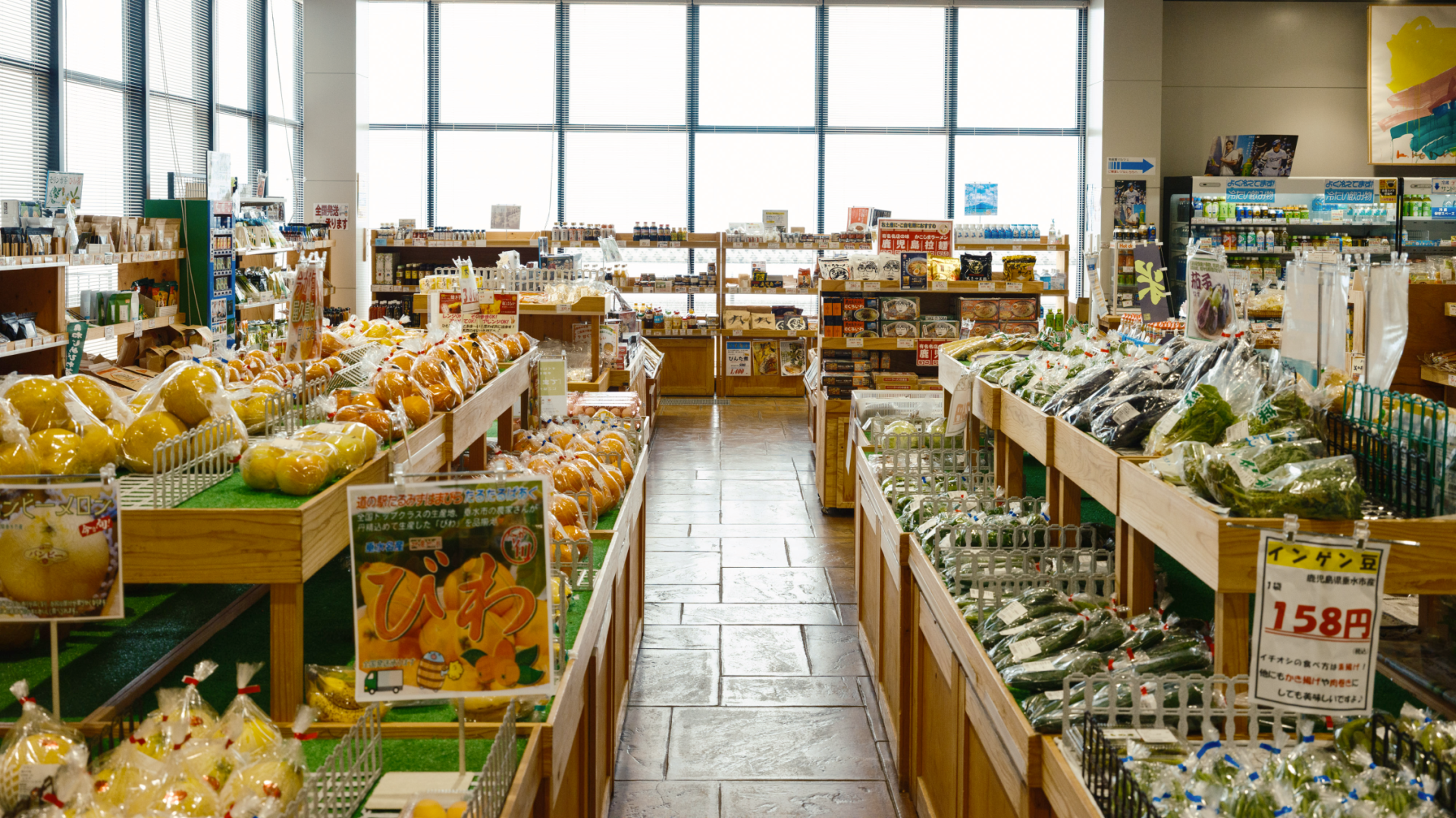
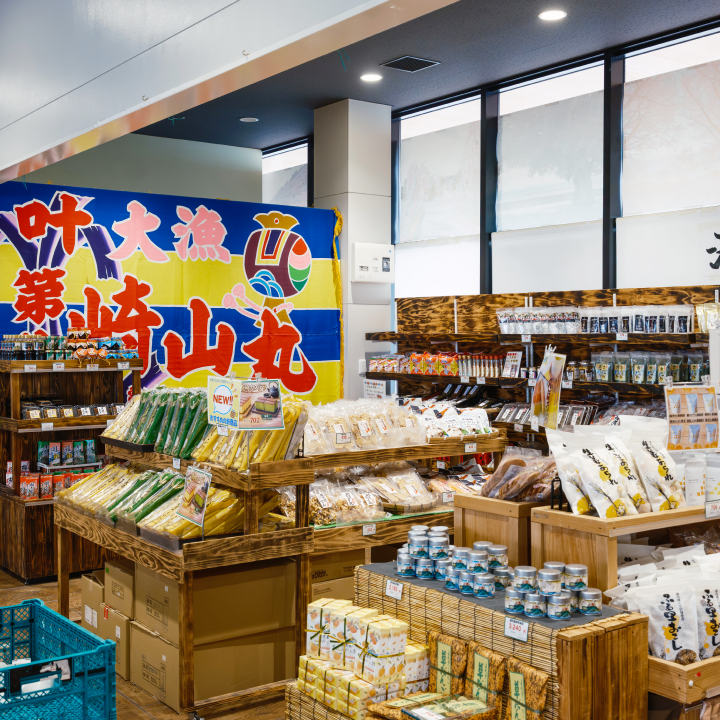
The local producers’ market on the first floor of the main building has a wide range of items from around Kagoshima, including seasonal produce, food produced by regional manufacturers, and souvenirs. Many of the offerings are locally produced and can only be found here, including the Ken Farm roasted sweet potato gelato.
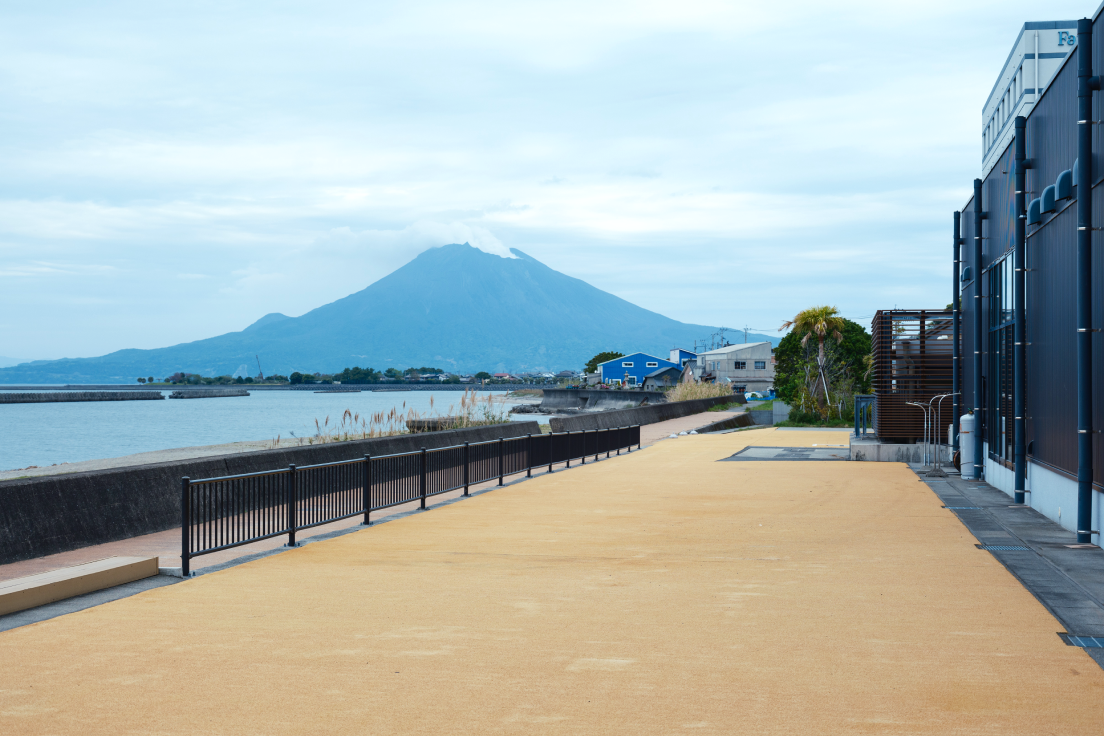
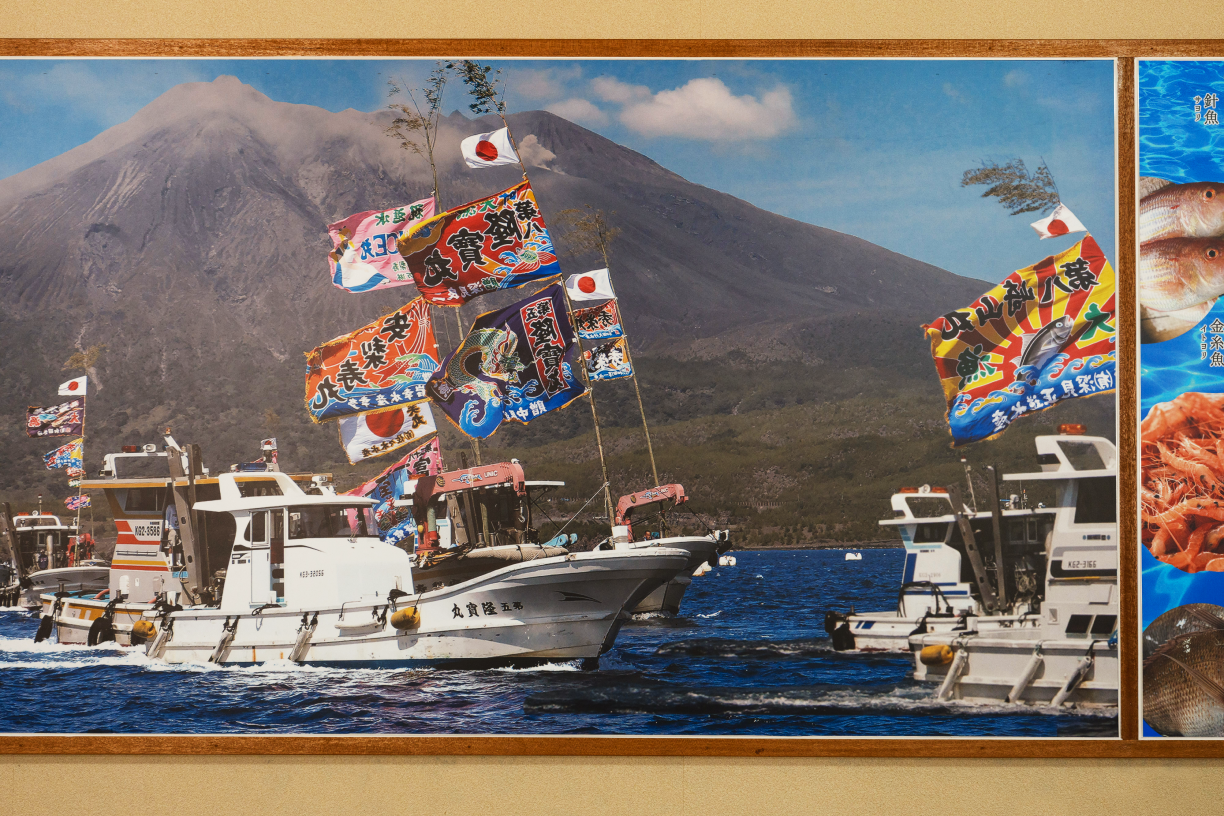
Not surprisingly, there’s a strong port town vibe here: good-luck flags wishing for large hauls decorate the building, and a lot of seafood is available for purchase. Before you end up spending too much time exploring the market, you head to the second floor and have some coffee at Miyataya—the first Kagoshima branch of the popular Hokkaido coffee chain. You then climb to the rooftop deck, from where you’re greeted by a clear view of Kagoshima Bay and Sakurajima. What a lot to do in just one location!
A night by the ocean at Fairfield by Marriott Kagoshima Sakurajima
A taste of tropical life
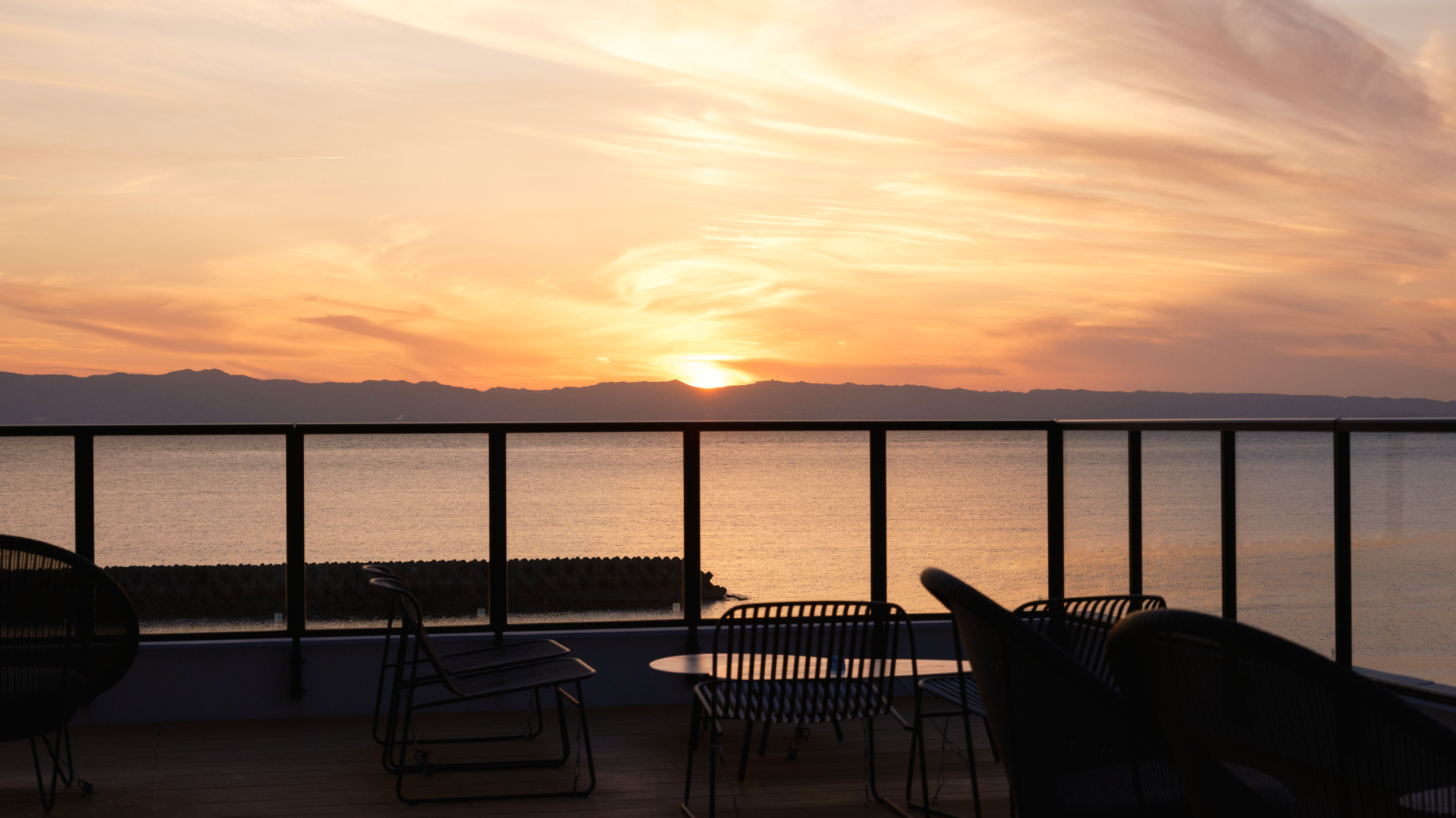
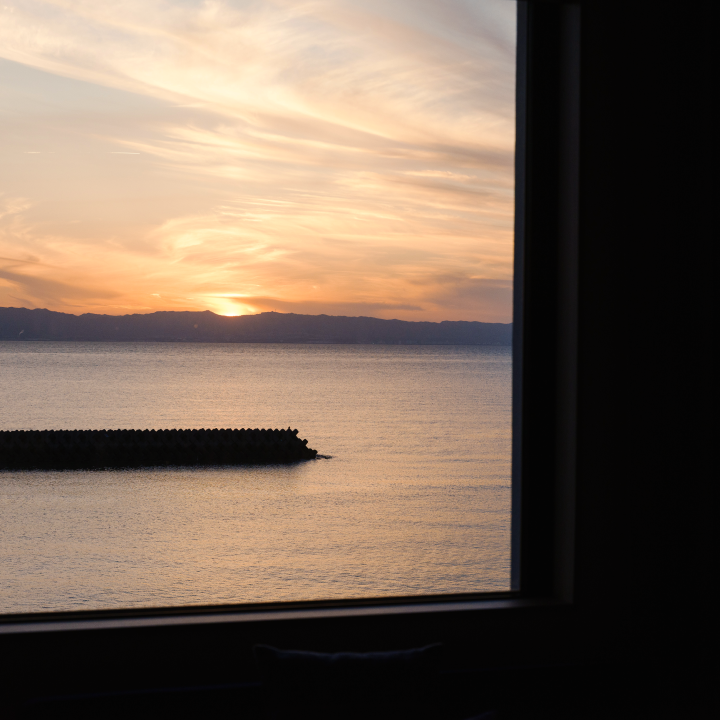
The michi-no-eki also includes a multi-use complex called Tarutaru Park, which you explore a bit before heading to your hotel. You get an ocean view room, but the staff tell you there’s also a roof terrace on the 4th floor from which you can enjoy a panoramic view of Kagoshima Bay and Sakurajima. They add that if you’re lucky, you might catch dolphins swimming in the bay. How exciting!
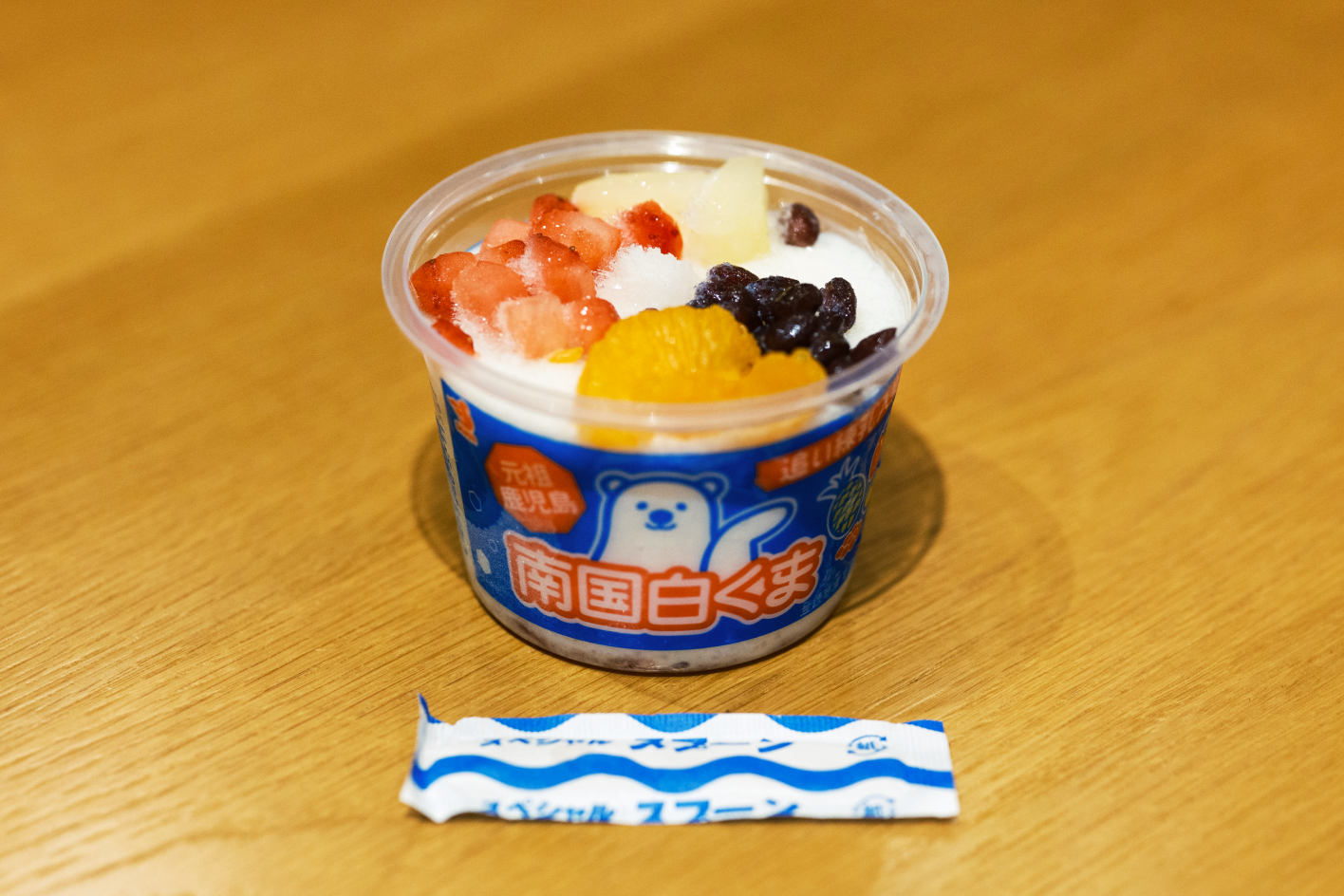
You head to the Marketplace located near the front desk and find some local beverages and sweets that pique your interest. You purchase a bottle of Sun Sun Ale, a craft beer produced by Honey Forest Brewing in the town of Minamiosumi (incidentally, the southernmost town in mainland Japan); and Nangoku Shirokuma, a shaved ice dessert flavored with condensed milk and fruit—a local favorite produced by Seika Foods in Kagoshima City. You find both to be refreshing and perfect for cooling off in this tropical region.
Per Night Per Room from ¥15,730