

A tranquil retreat to the lakes and mountains of Nikko
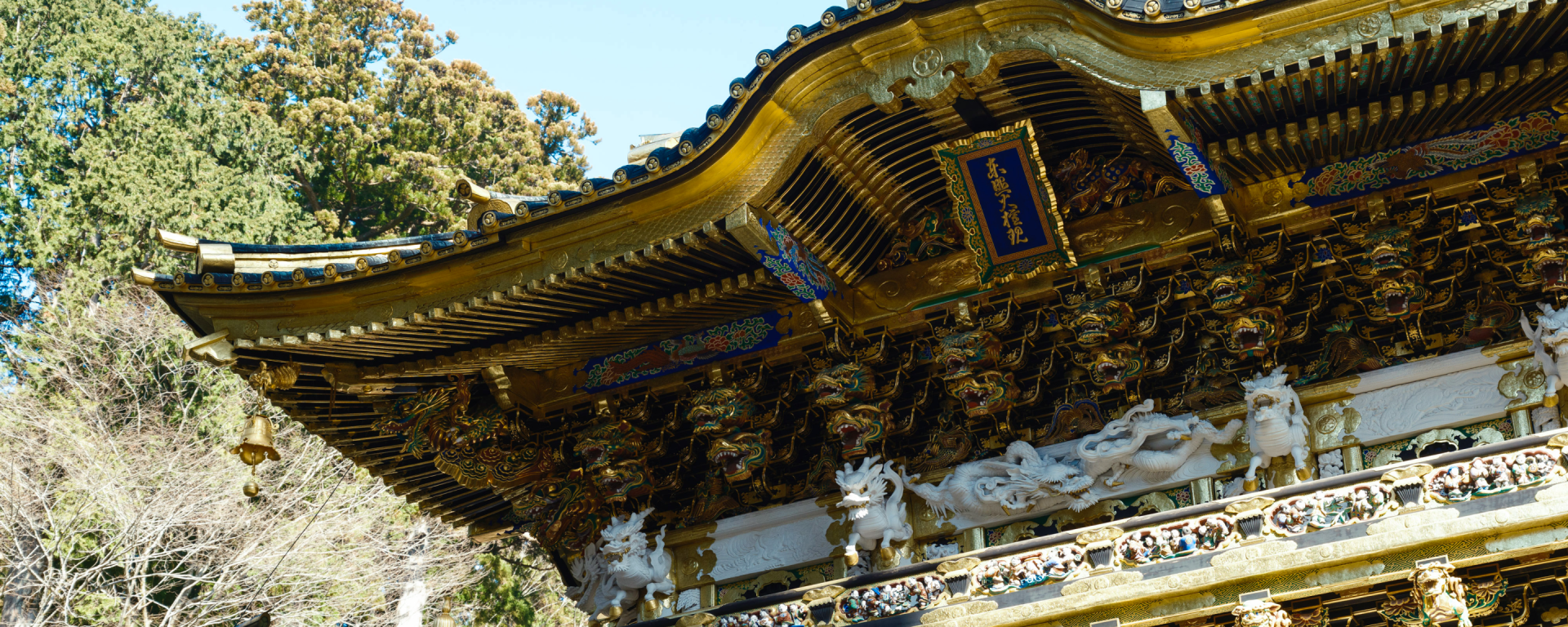
Nikko is one of Japan’s most beloved travel destinations. The area is brimming with Shinto shrines and Buddhist temples that have their roots in mountain worship—not least Nikko Toshogu, a shrine dedicated to the famous shogun Tokugawa Ieyasu. It’s a place where you can feel the connection between the distant past and the present. Just a short distance away, waterfalls, lakes, wetlands, and other natural landmarks captivate visitors with ever-changing seasonal scenery. You’re planning a two-day journey here in hopes of exploring the unique spirituality that develops in a place where nature and religion coexist.
Discovering the secrets of Nikko
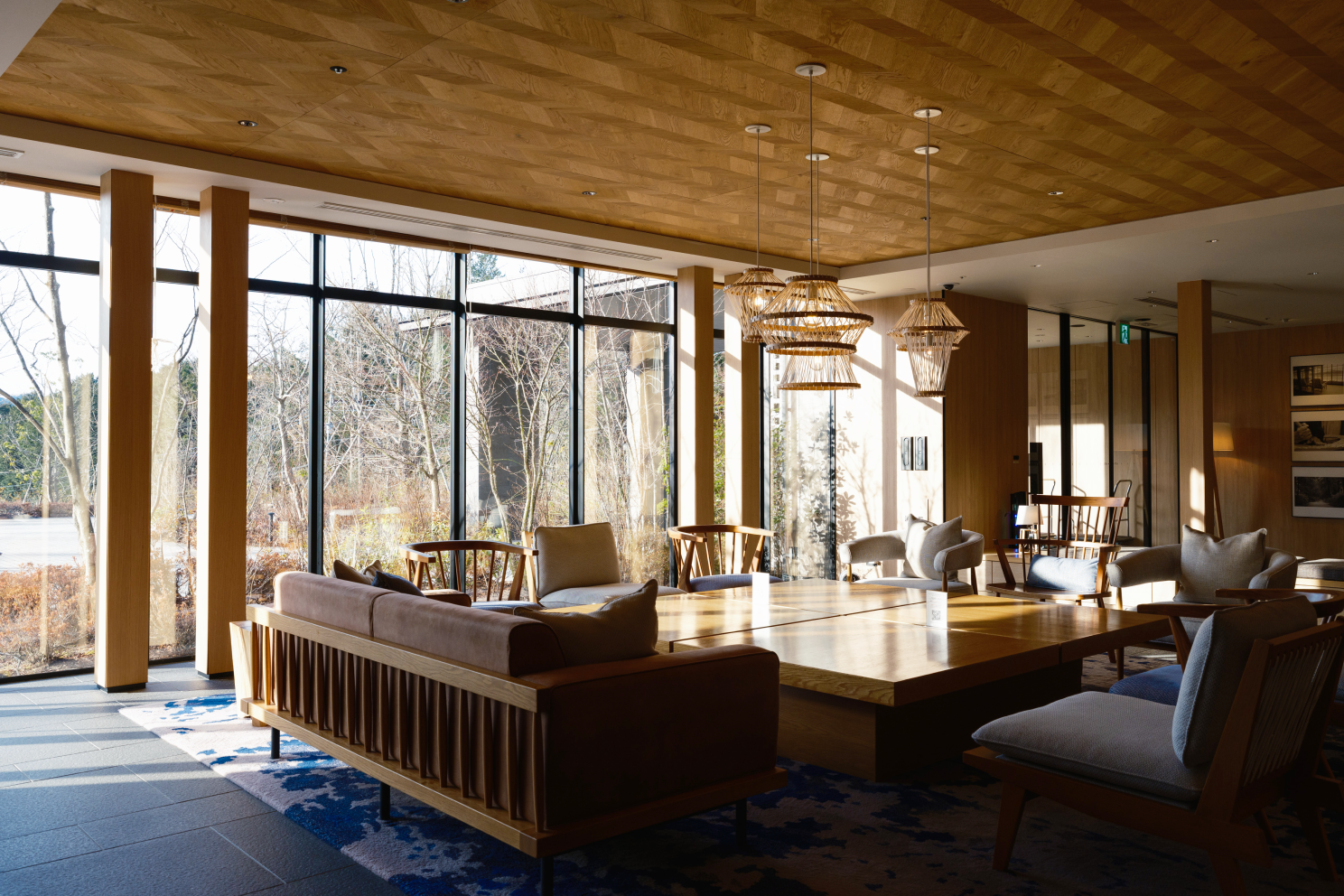
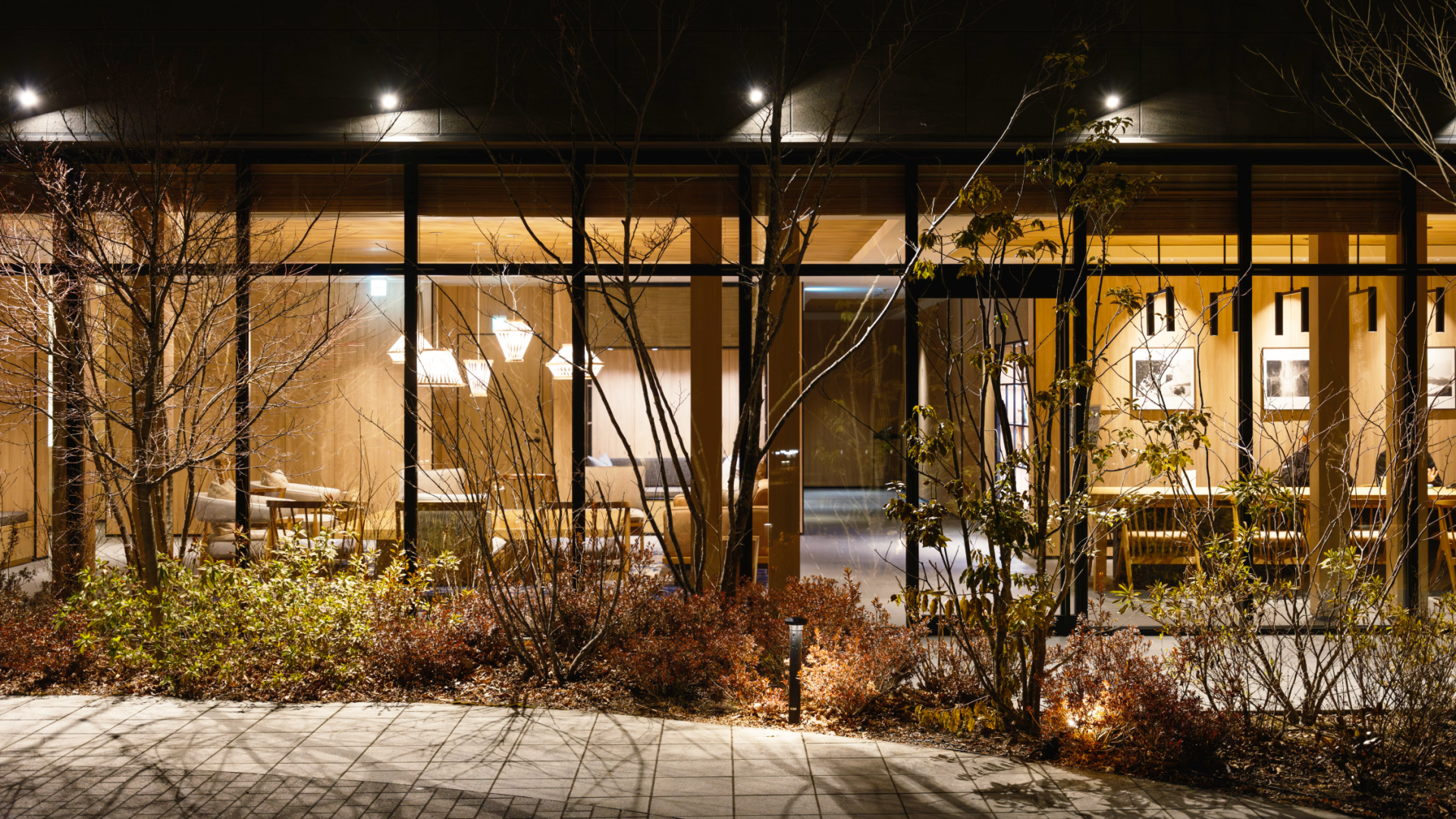
At Fairfield by Marriott Tochigi Nikko, you are surrounded by a seamless blend of natural beauty and historic depth. This ideal base places the World Heritage Nikko Toshogu Shrine and nearby sacred sites within easy reach.
09:00 Tokyo Train Station
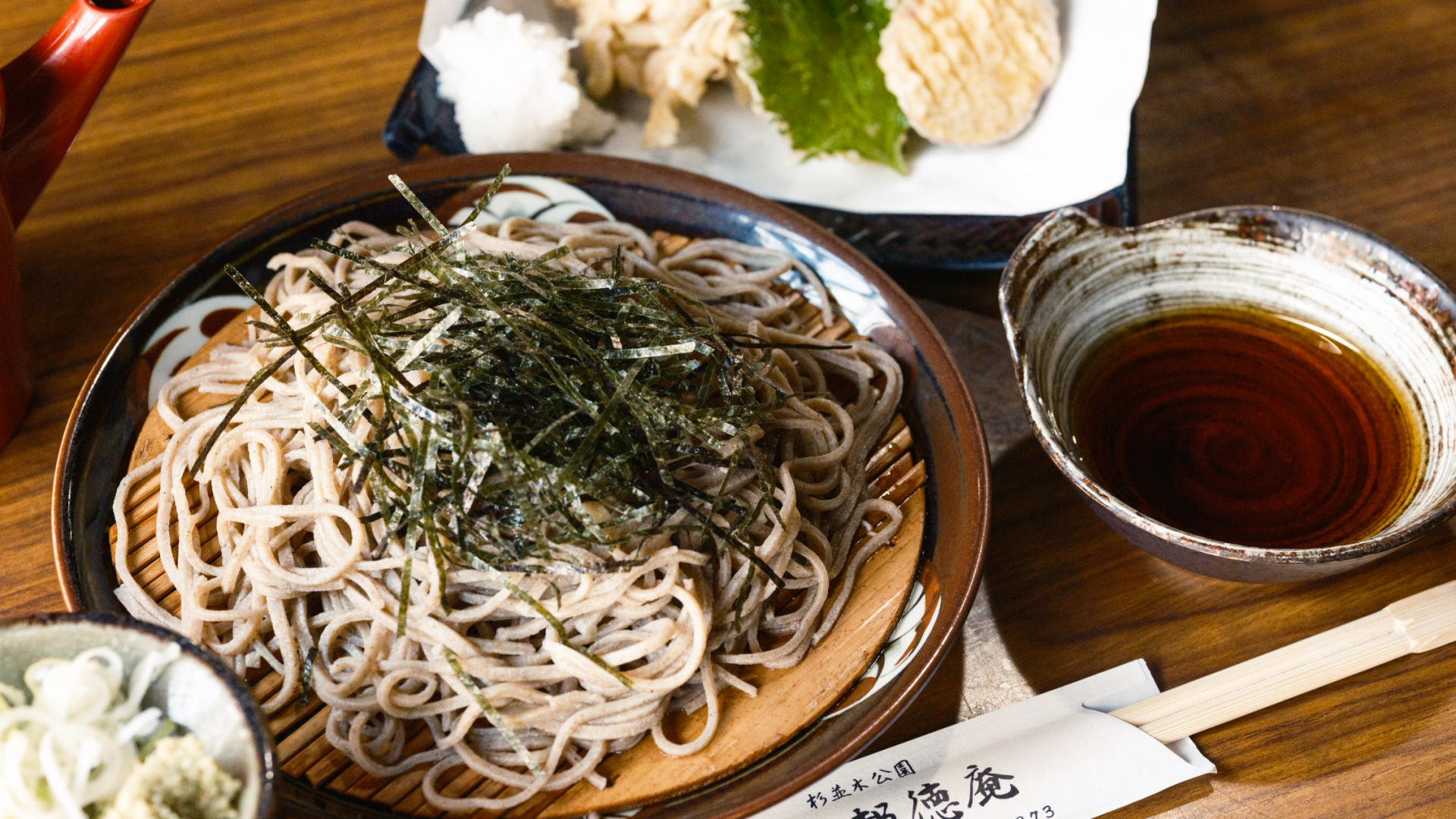
11:00 Lunch at Hotoku-an
12:00 Nikko Toshogu
13:30 Taki-no-o Shrine (Branch of Nikko Futarasan Shrine)
14:00 Kanmangafuchi
15:00 Nikko Saryo
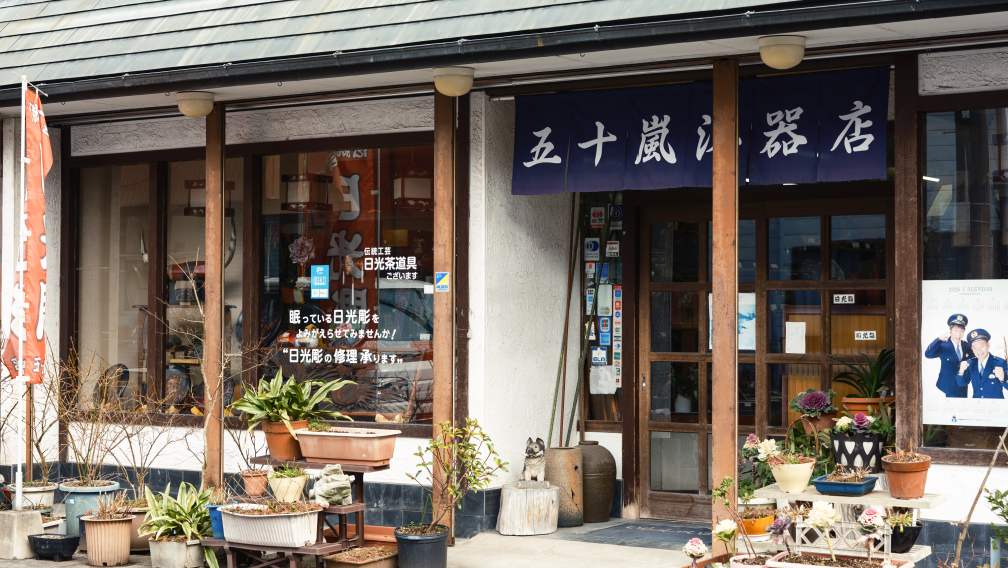
16:15 garashi Lacquerware
17:30 Fairfield by Marriott Tochigi Nikko
Day 1 Total Distance: 176.2 km
Day 1 Total Travel Time: About 3 hours 30 minutes
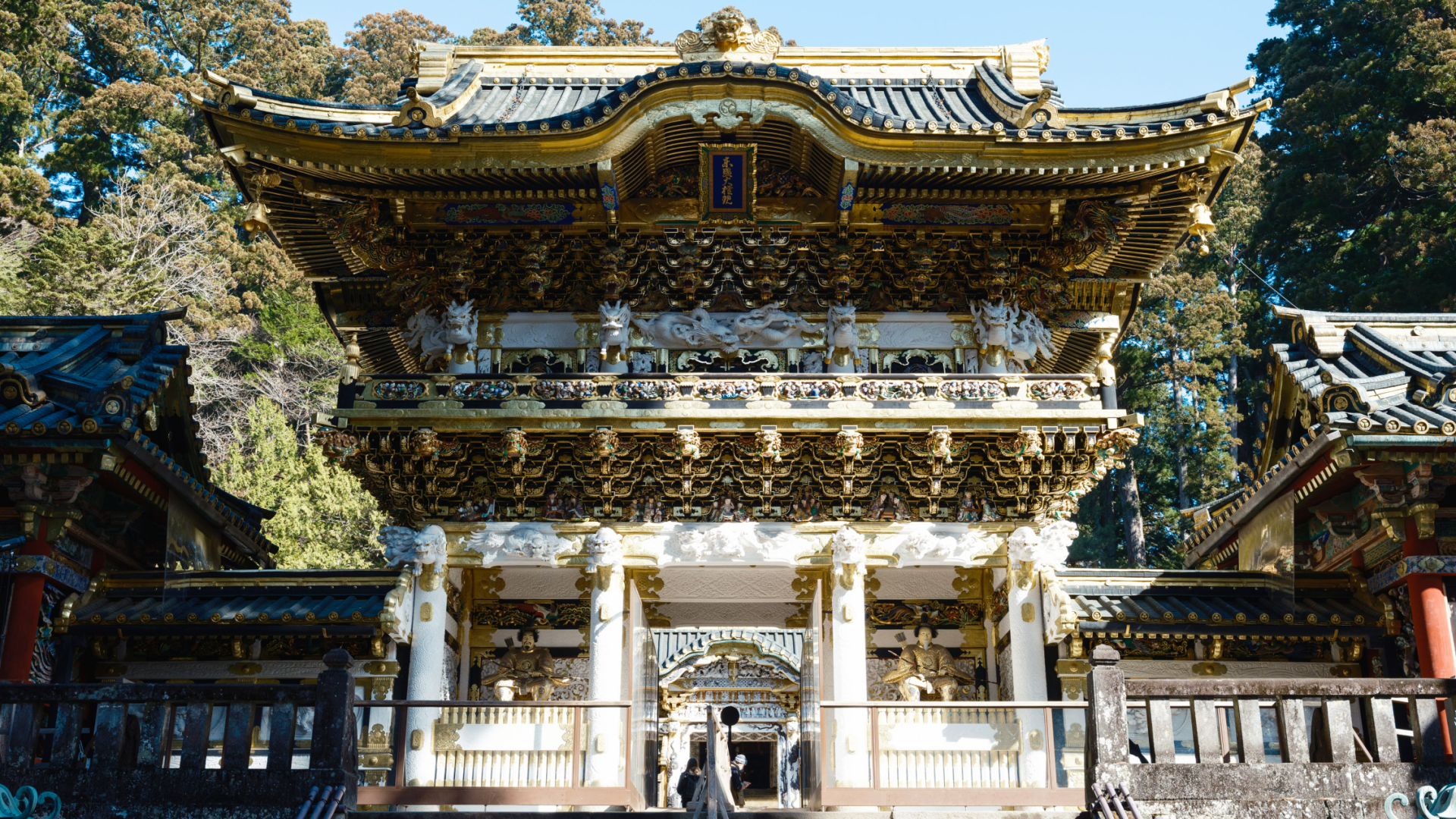
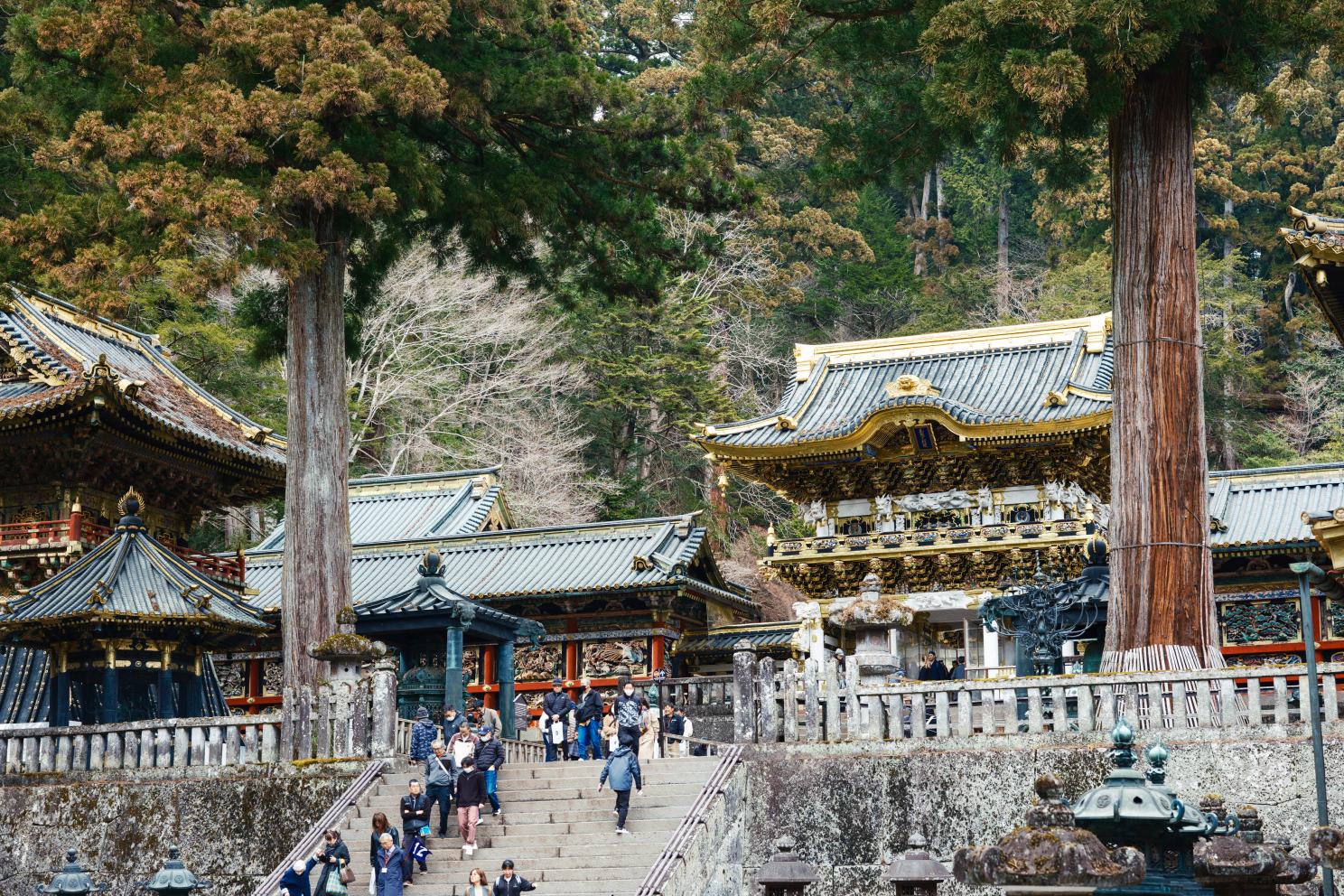
In 1999, Nikko Toshogu was inscribed as one of the Shrines and Temples of Nikko, a UNESCO World Heritage Site. Built in 1617, the shrine is one of many important historical structures dotting the area. To visit Nikko feels like stepping back in time. You plan to spend a day strolling around Nikko and exploring the region’s long history, which dates back all the way to the 8th century.
***

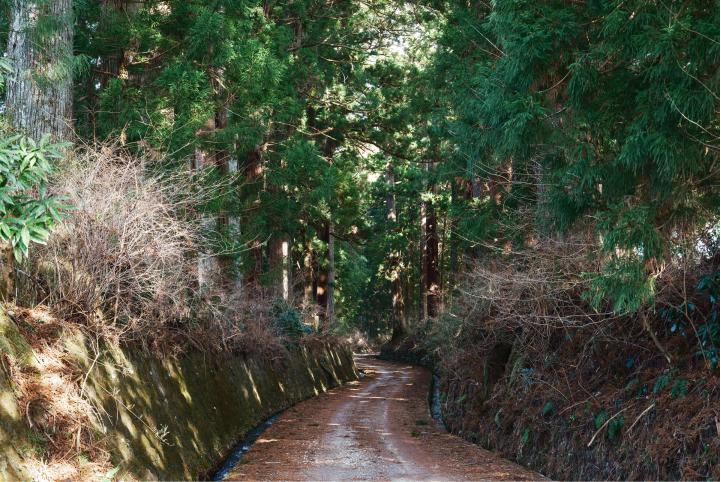
From Tokyo, you take the Tohoku Expressway to the Nikko-Utsunomiya Road, which takes you up the mountains to Nikko.
Hotoku-an: Culinary delights along “Cedar Avenue”
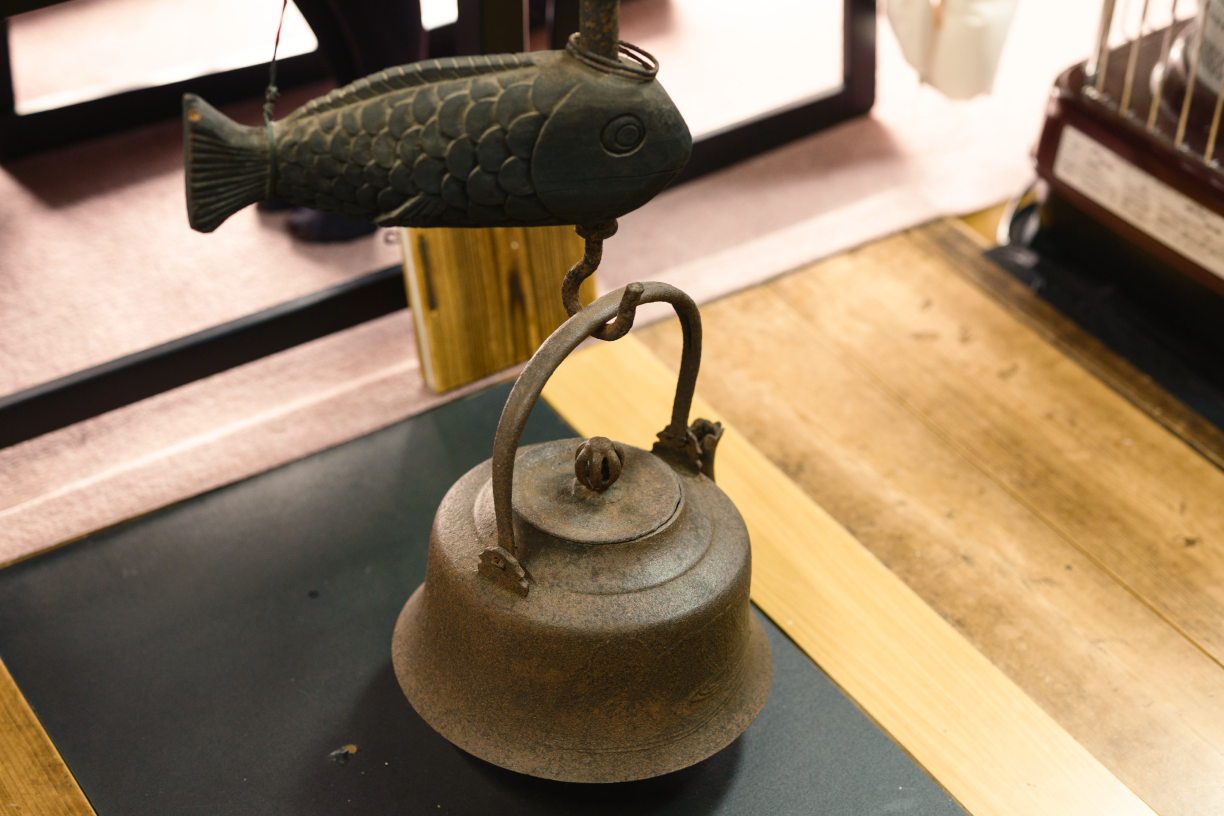
Handmade noodles made with buckwheat flour from Nikko
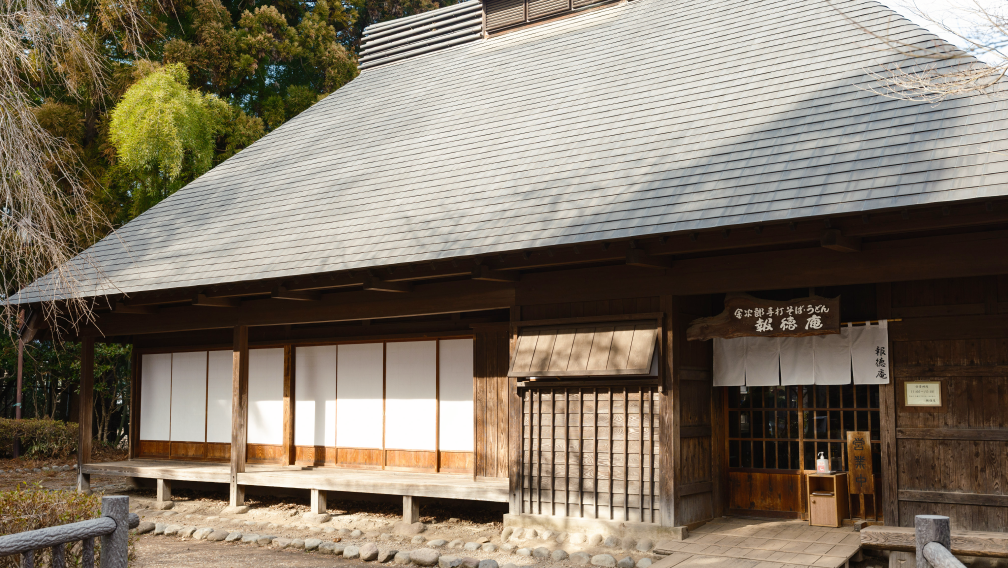
By the time you arrive in Nikko, it’s nearly noon. To prepare for all the walking you’ll be doing later, you decide to stop at Hotoku-an for soba noodles. The restaurant building is a traditional Japanese house in Suginamiki Park, near the picturesque cedar-lined avenue that serves as the approach to Nikko. The Daiya River flows nearby, sourced from meltwater from the Nikko mountains; it reminds you that the region is also known for its many abundant, pristine waterways. The thought of handmade soba noodles made fresh from Nikko buckwheat flour is enough to get your mouth watering.
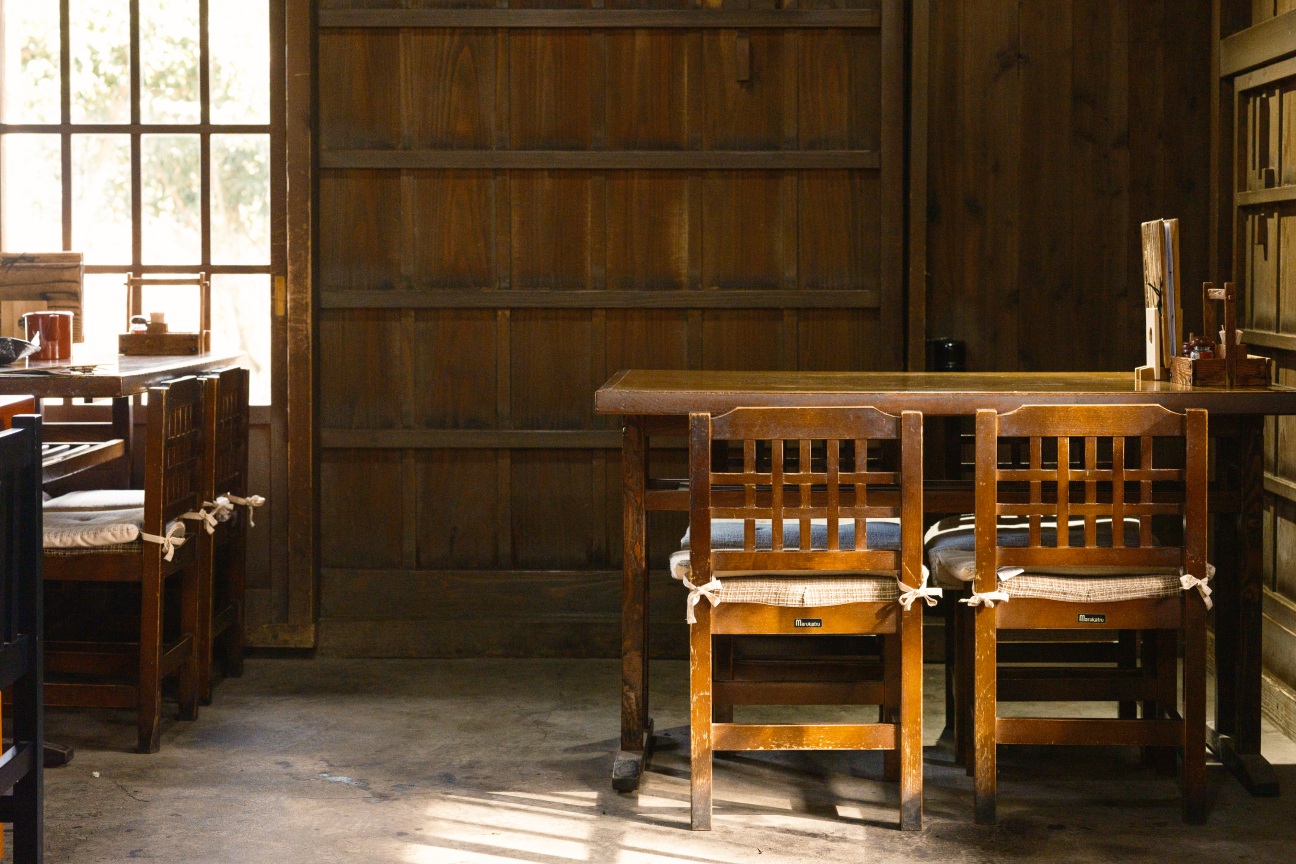
You order the Tenzaru Soba, a dish of chilled buckwheat noodles and tempura served with a noodle dipping sauce. The noodles taste wonderfully smooth going down, and the freshly fried vegetable tempura is exceptional. It’s easy to forget the passage of time in the calm of this old farmhouse, but soon it’s time to move on.
Nikko Toshogu: A World Heritage Site dedicated to a famous shogun
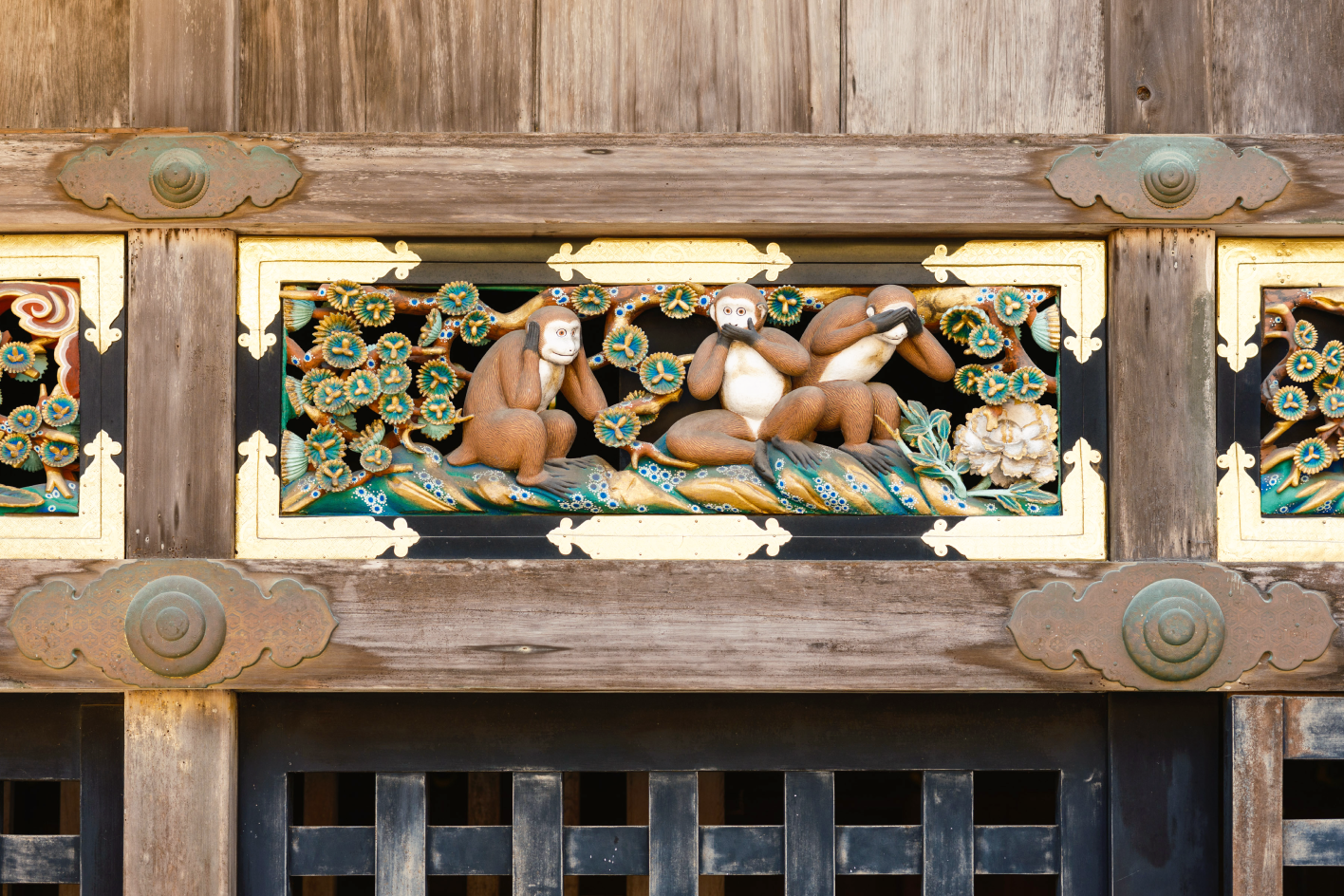
A shrine complex adorned with vibrantly colored carvings
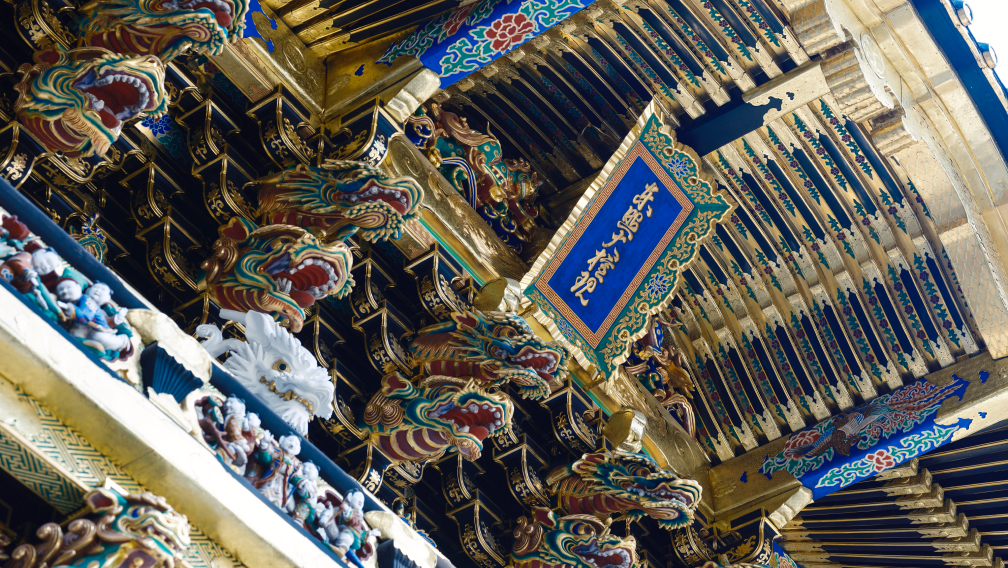
No trip to Nikko would be complete without a stop at Nikko Toshogu. The shrine was established in 1617 in dedication to Tokugawa Ieyasu, the founder of Japan’s last shogunate. The current complex of magnificent shrine buildings was completed during the reign of the third shogun, Tokugawa Iemitsu, and is known for its richly colored carvings and decorations. It is listed as a World Heritage Site under the name “Shrines and Temples of Nikko.”
Upon stepping onto the expansive shrine grounds, you are greeted by gorgeous architecture adorned with gold leaf and plenty of vivid carvings, most famously an engraved panel of the three wise monkeys who “see no evil, hear no evil, speak no evil.” The grandeur of the decorations reflects the loftiness of the Tokugawa clan.
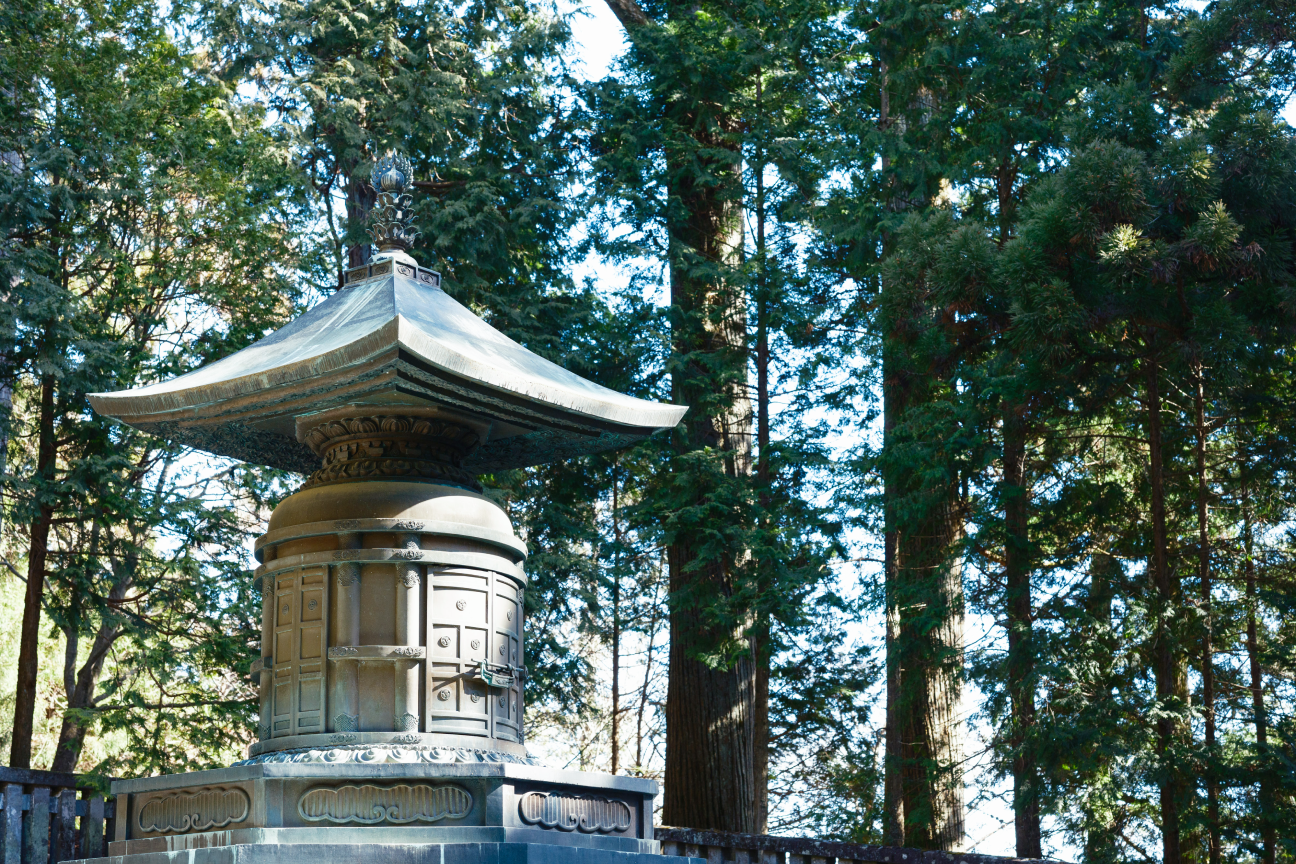
Climbing some 200 stone steps from the rear of the main worship hall, you approach the Okusha Hoto pagoda. This bronze mausoleum houses the remains of Tokugawa Ieyasu, making it the most sacred site within these holy grounds. Between the quiet mausoleum and the stately cedar trees around it, the atmosphere here is noticeably more solemn than the rest of the grounds.
Taki-no-o Shrine: A sacred site deep in the forest
Try your luck for good fortune
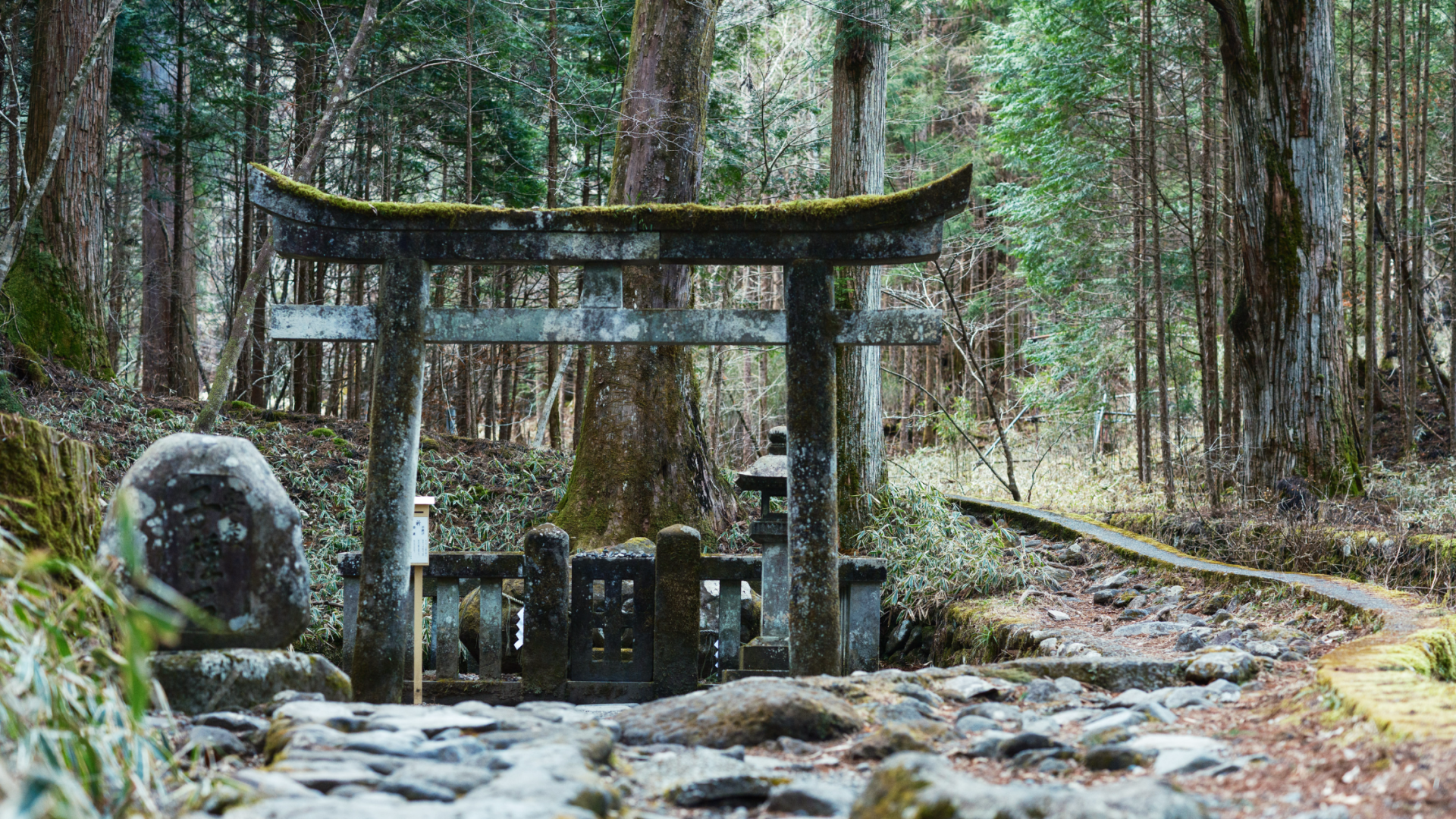
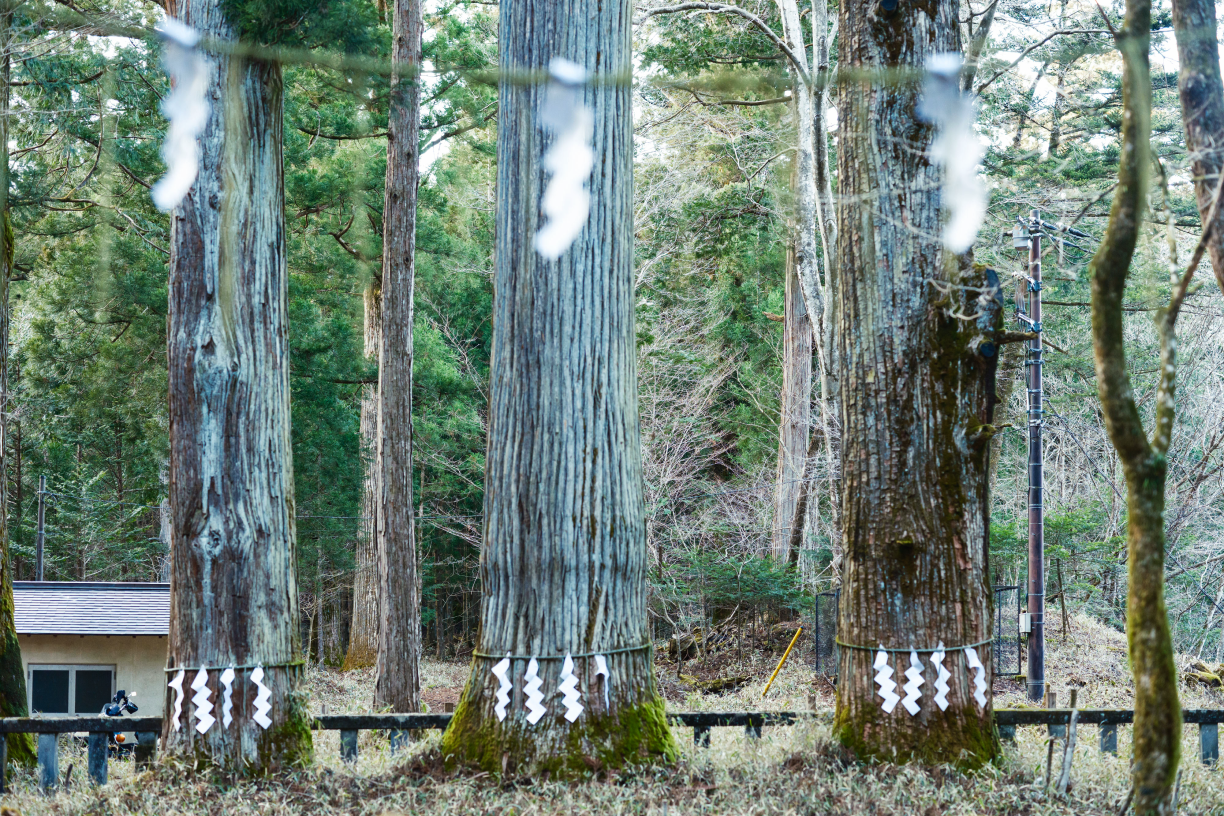
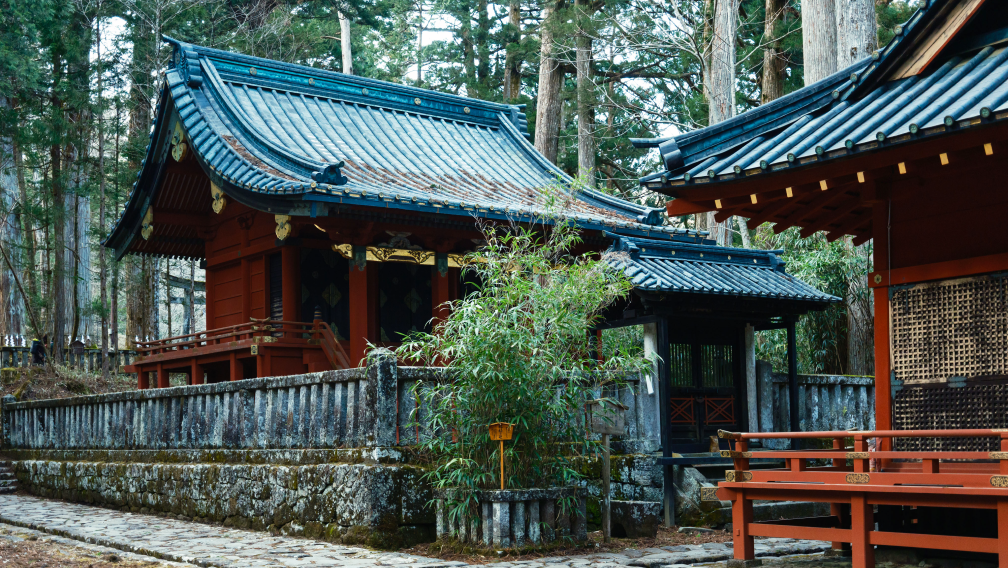
Another location included in the World Heritage Site is Taki-no-o Shrine, which stands in a forest a short distance from the eye-catching Nikko Toshogu and the rest of the shrine and temple district. It is a branch of Nikko Futarasan Shrine founded around 820, supposedly by the famous Japanese monk Kukai during his visit to Nikko. The enshrined deity is Tagorihime-no-Mikoto, a goddess of matchmaking, fertility, and the protection of women. You find it to be a tranquil sanctuary where nature and faith feel close at hand.
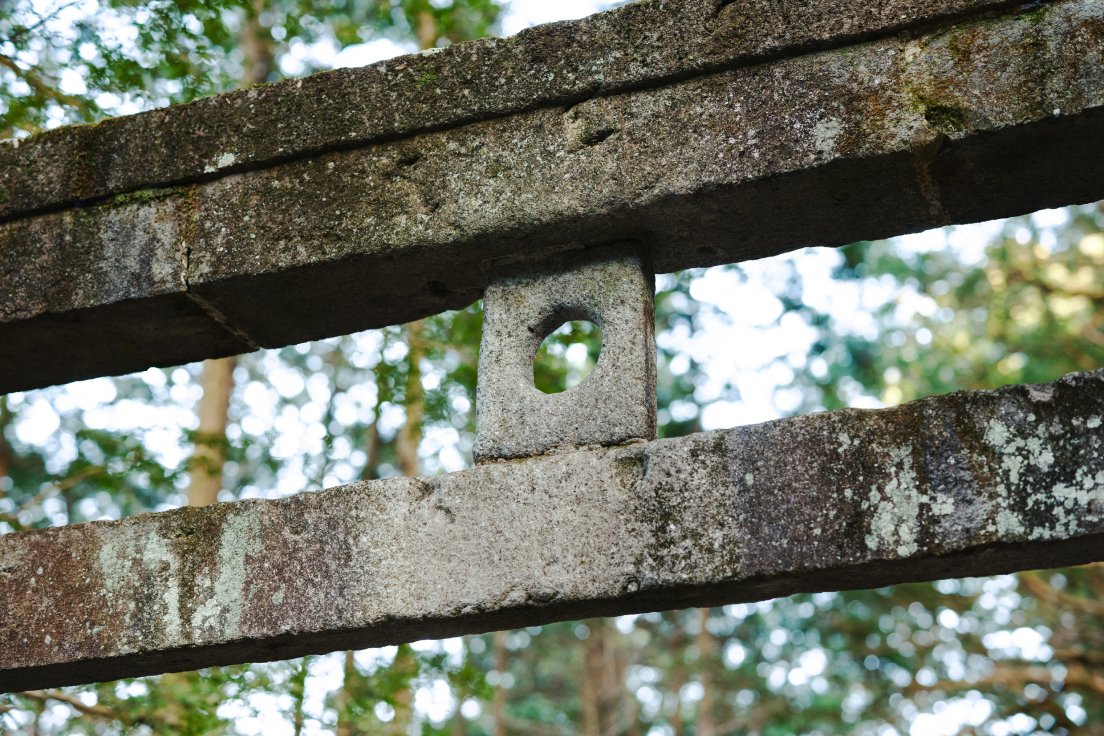
Within the shrine grounds, you locate the Wishing Torii where worshippers hope to have their prayers answered. There is a small hole in the top of the shrine gate, and legend says that your wish will come true if you manage to throw a pebble through the hole—but you only have three chances! Nowadays, the shrine provides balls to attempt the feat. You give it a shot, but all three go wide. It seems that you’ll have to wait a little longer for your wish to come true.
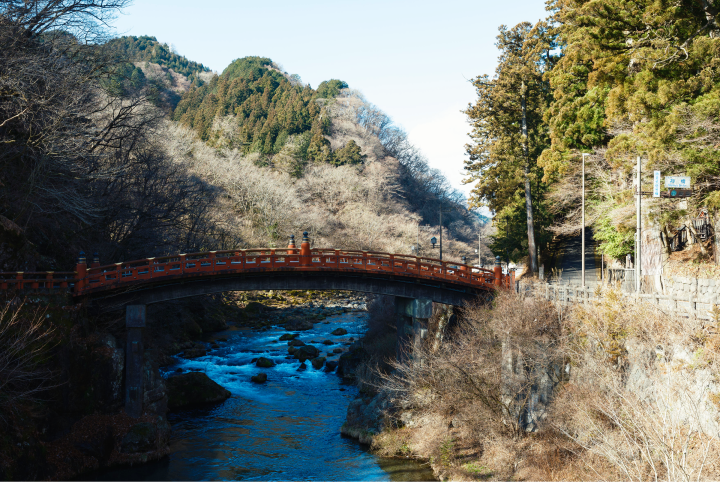
You drive past the vermilion Shinkyo bridge at the entrance to Nikko Toshogu, then follow the road along the Daiya River.
Kanmangafuchi: A gorge that’s home to an incalculable number of statues
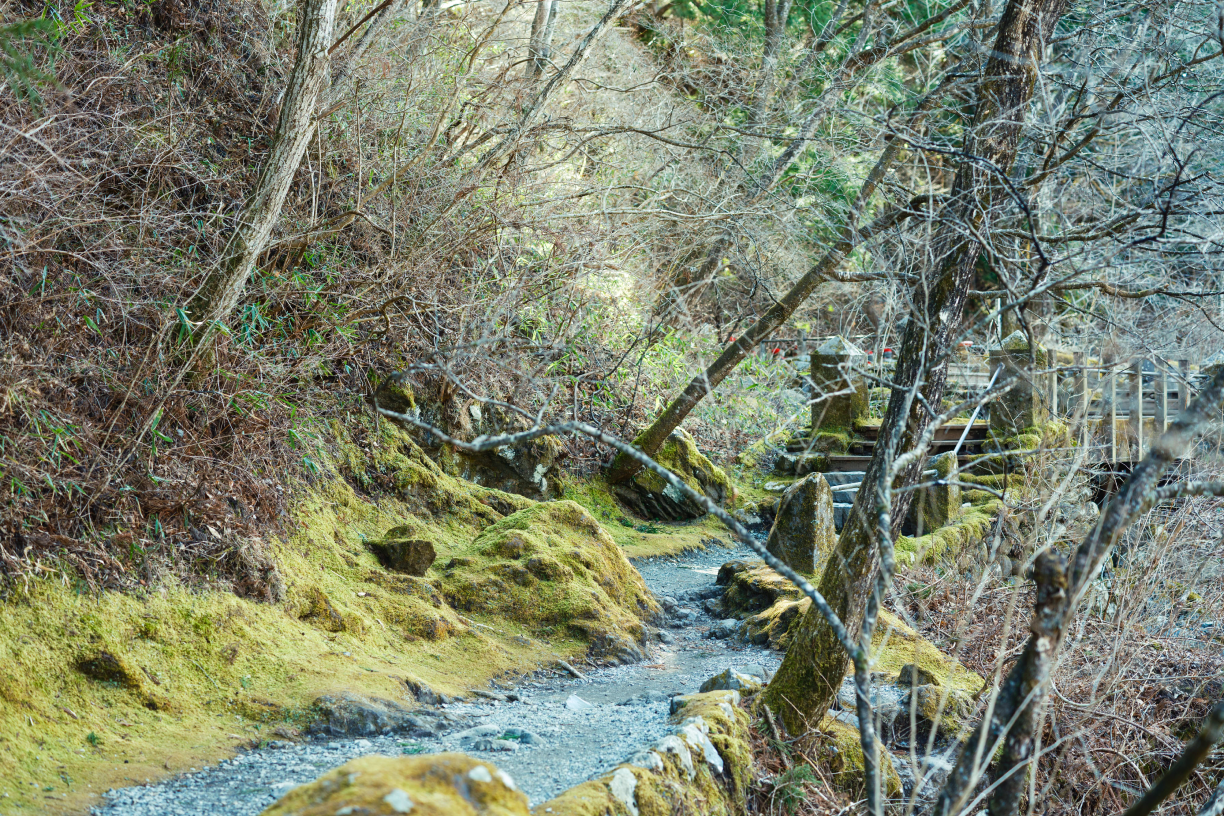
A legacy of prayer along the Daiya River
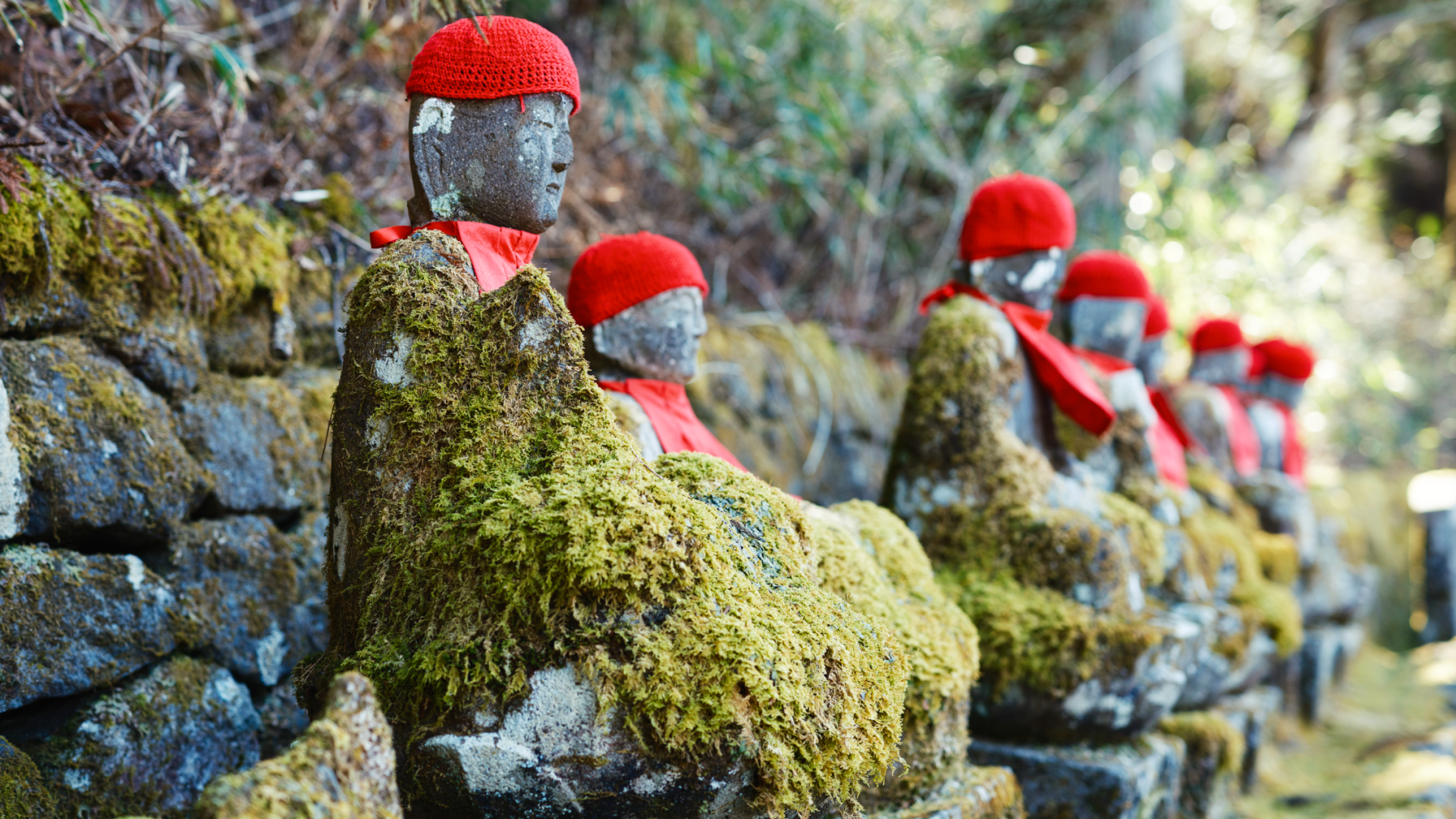
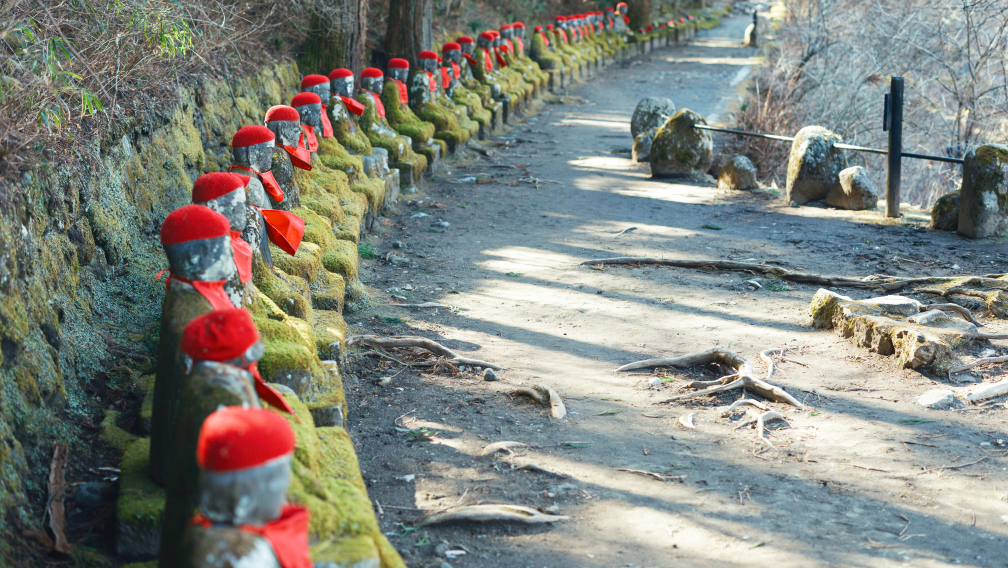
You next head out to Kanmangafuchi, a gorge carved out by the Daiya River. Sitting in a row along the riverside promenade are dozens of stone statues of Jizo, the compassionate bodhisattva who protects children, travelers, and the souls of the deceased. The statues were erected during the 17th century by the monk Kokai as a memorial for the dead, serving as a reminder to visitors that this is a place of prayer. The peaceful scene is one of the most iconic in Nikko.
These particular statues are known as Bake Jizo (“ghost Jizo”) because legend holds that their number—around 70—changes every time you count them. Their moss-covered forms lend this place a mystical atmosphere that invites worshippers to pray to the Jizo for safe travel and the protection of children.
Nikko Saryo: Tea and sweets in a serene setting
Treats made with underground spring water
After touring the local sites, you stop by Nikko Saryo to rest your tired feet. Located at Ogura no Shungyo—one of the most scenic spots in Nikko—the serene atmosphere of the tea house feels worlds away from the bustle of Nikko Train Station, despite being just a few minutes away by car.
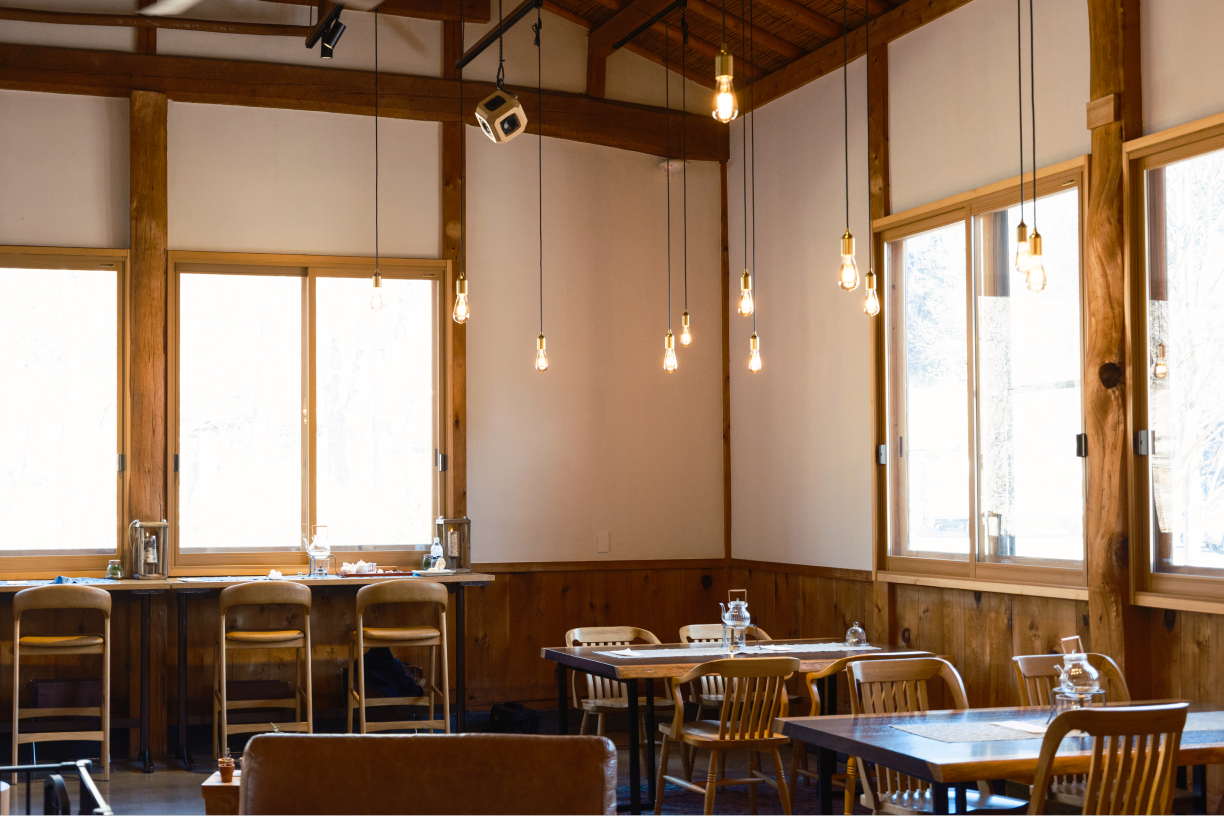
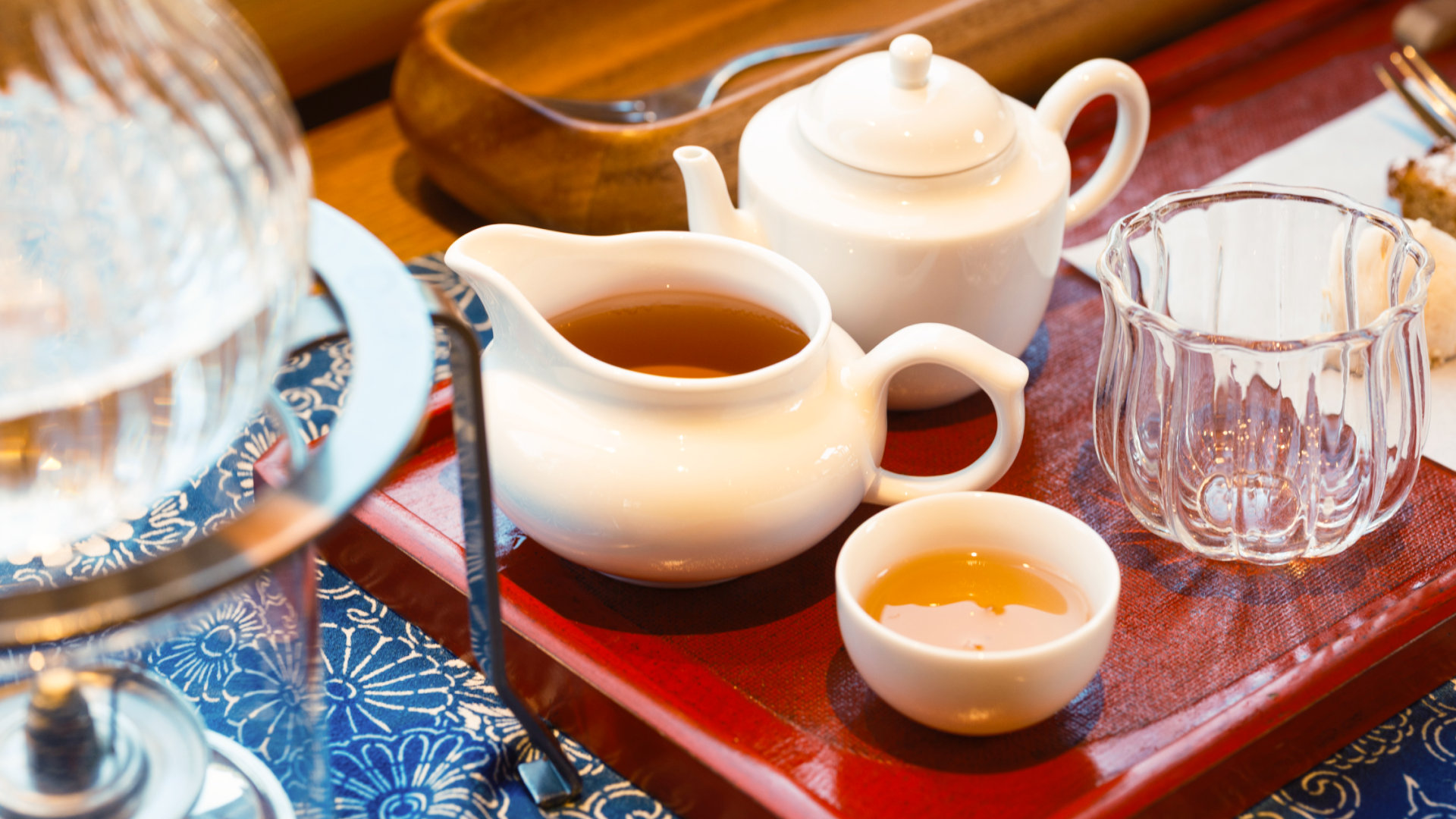
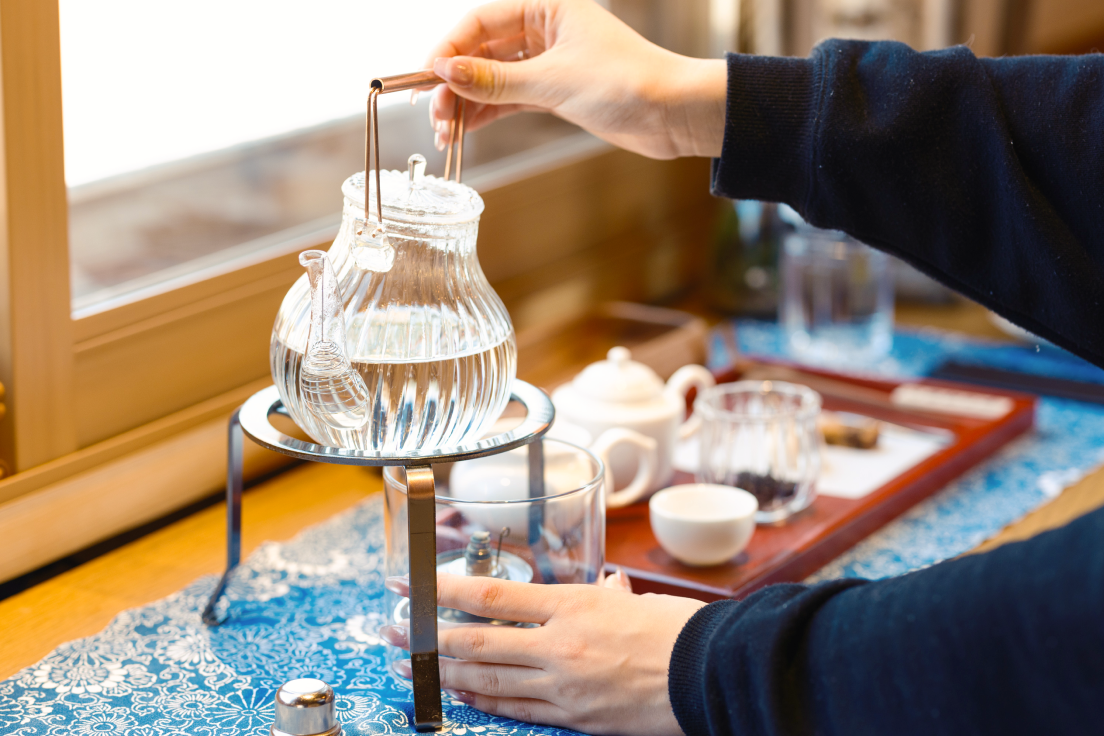
You order a set of Sekisaun Gancha tea and silky cheesecake, the shop’s most popular sweet. Sekisaun is a premium oolong tea made using a traditional roasting technique and only the leaves of tea plants that have grown uniformly for over 30 years. The staff prepare the tea right at the table. After waiting for it to steep the perfect amount of time, you take a sip and are astonished by the complex flavor and rich aroma of the tea.
The tea house prepares its teas with Toshosui, water from a sacred spring originating in the Nikko mountain range and drawn from 40 meters (130 feet) underground. You are pleased to hear that you can bring home a bottle of the spring water for free. Nikko Saryo was the perfect place for a relaxing afternoon break.
Igarashi Lacquerware: The artistry of Nikko-bori woodcarving
A handicraft kept alive by artisans
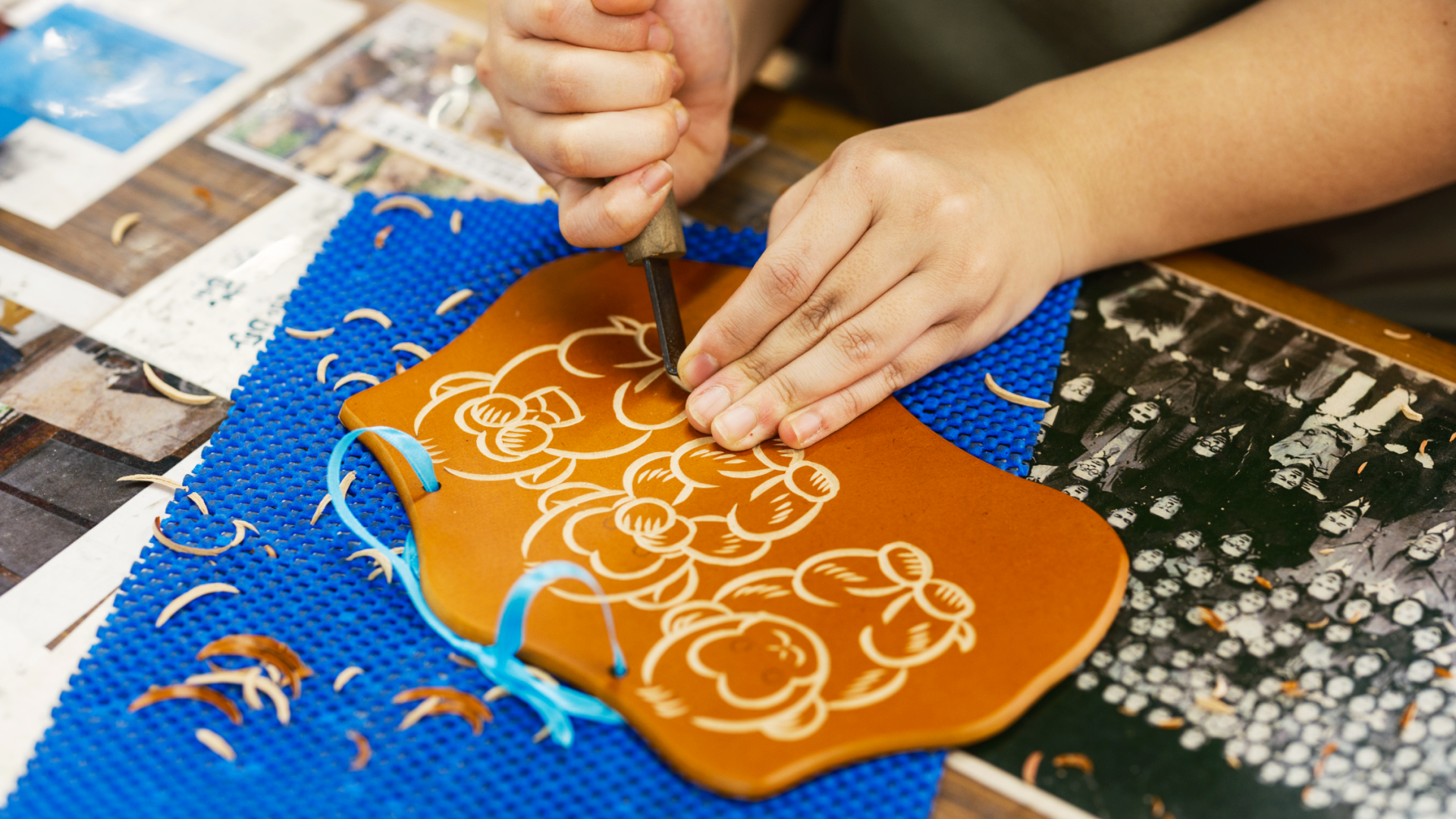
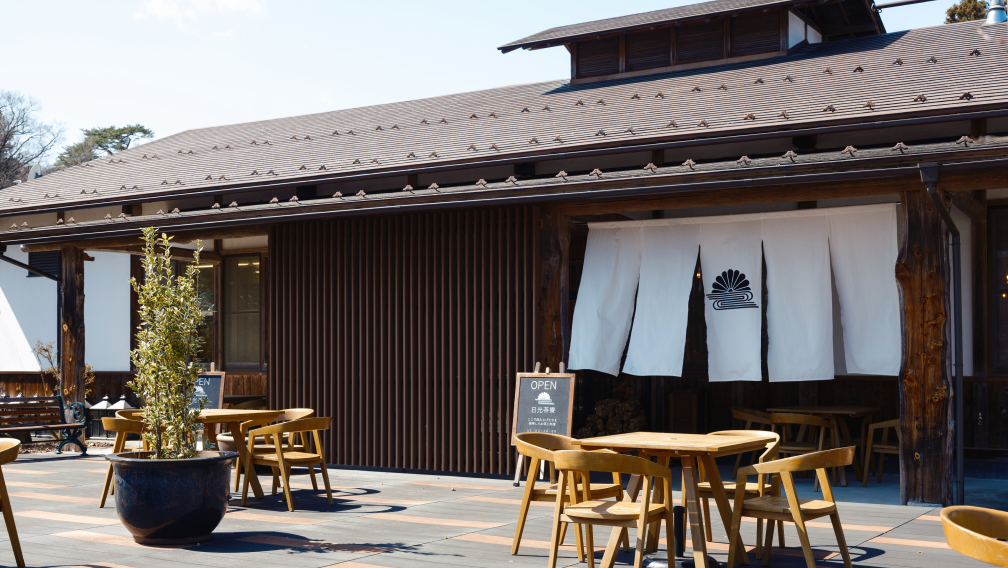
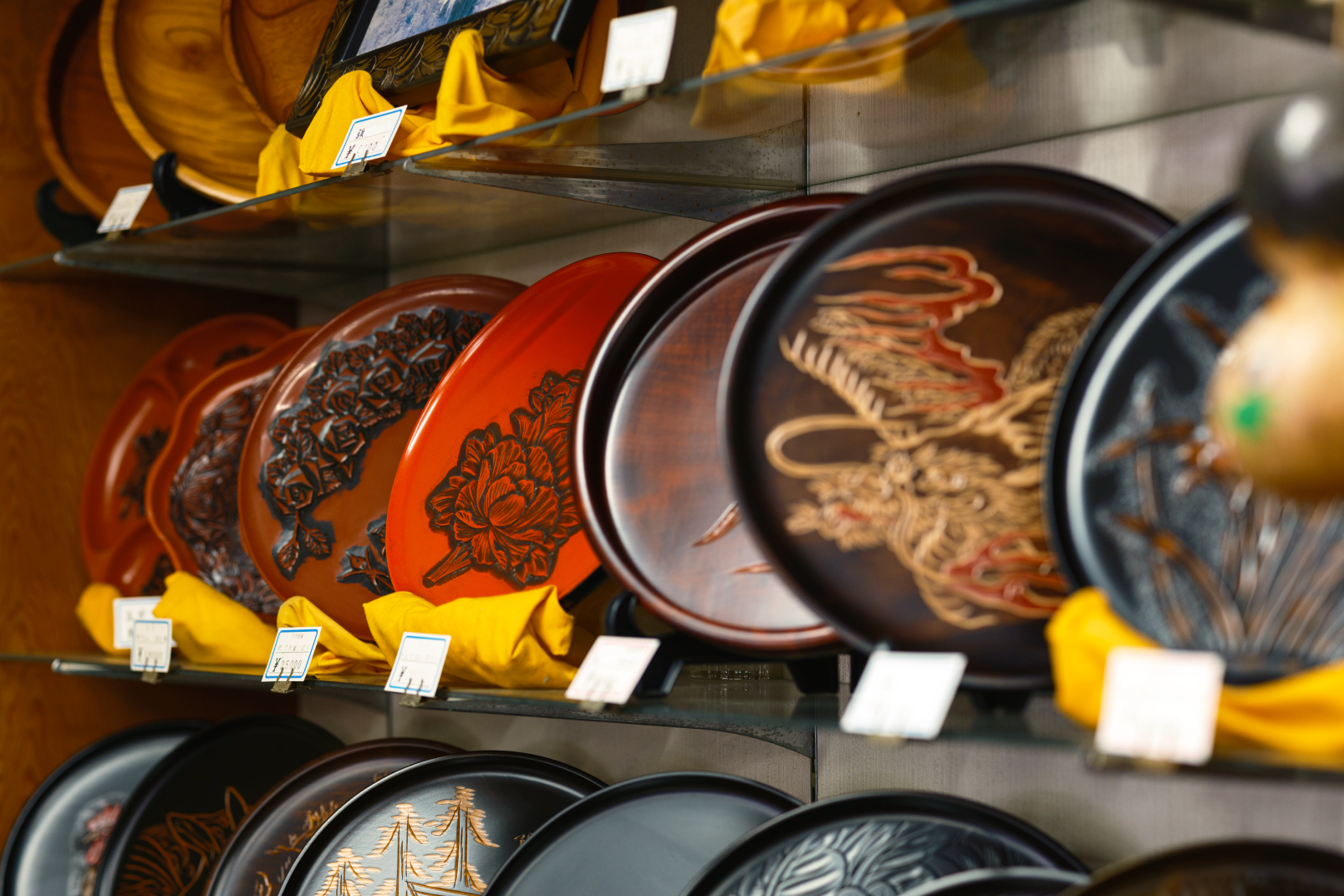
Back in the city center, you visit Igarashi Lacquerware, a shop near Nikko Station that specializes in Nikko-bori woodcarving. Here, they create and sell everyday lacquerware objects such as trays, plates, chopsticks, and accessories. The tradition of Nikko-bori is said to have originated with the craftsmen who constructed Nikko Toshogu in the early 17th century. Practitioners carve patterns into wood using a chisel with a nose bent at a steep angle, then apply lacquer to finish the piece.
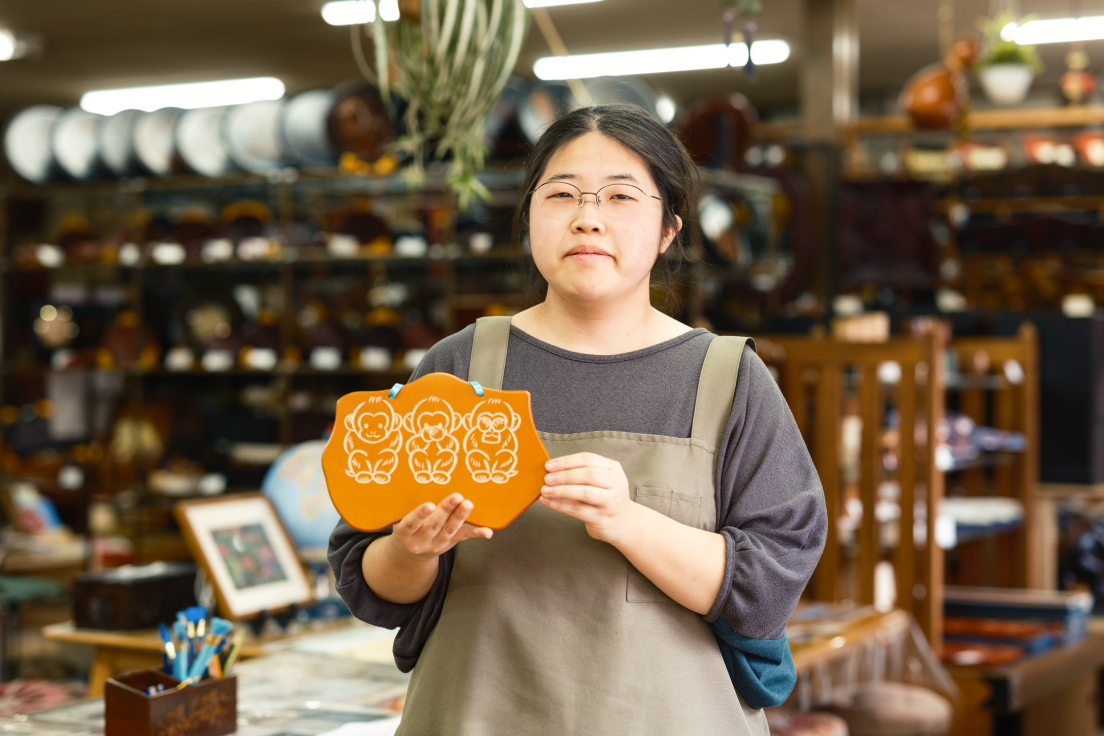
Inside the shop, you watch the artisans at work. One worker, Manaka Yamamoto , graduated from art school and then returned home to Tochigi, where she developed an interest in Nikko-bori. The aspiring artisan has been studying the craft for less than two years, but you find out that she’s very promising—the shopkeeper, Hisako Uzuka, tells you she’s already mastered some important and challenging techniques.
The shop also offers Nikko-bori workshops, which are open to anyone interested in trying it for themselves. You’re glad you had the opportunity to witness such skilled craftsmanship up close and discover the appeal of this traditional craft.
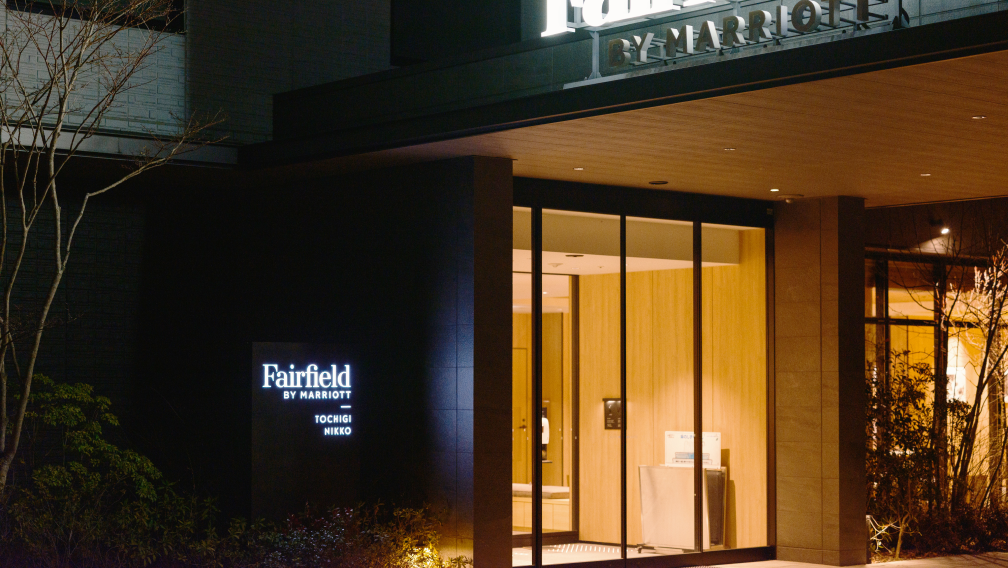
A different side of Nikko at night at Fairfield by Marriott Tochigi Nikko
New perspectives and building anticipation
You check into your hotel, the Fairfield by Marriott Tochigi Nikko. As you chat with the hotel staff about the places you visited that day, they kindly tell you even more about Nikko. In addition to famous sites like Nikko Toshogu, they also tell you about several hidden gems, leaving you impressed by their wealth of knowledge. In fact, they mention that quite a few guests extend their stay after discovering all that Nikko has to offer.
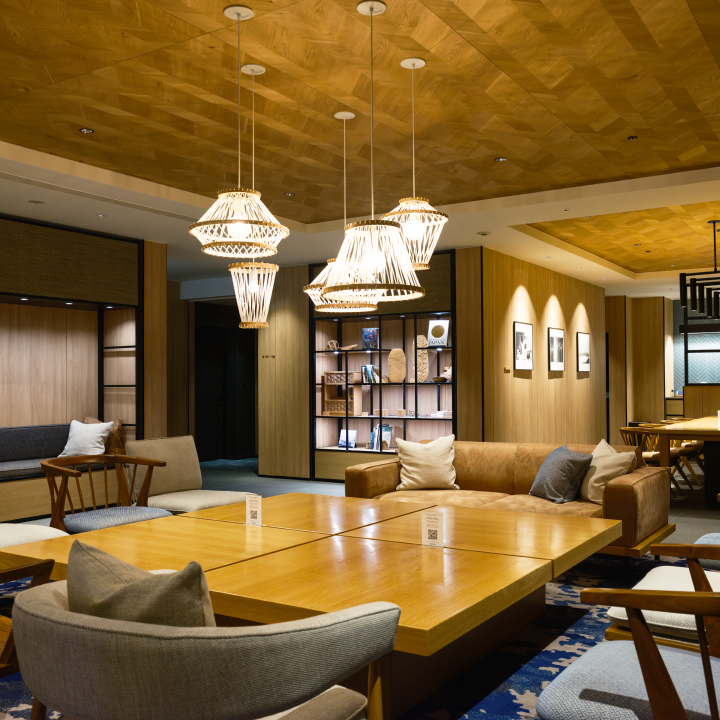
Your journey has only just begun, but the more you walked the land, the more you felt drawn to it. That, combined with your conversations with the staff, builds your anticipation for tomorrow’s trip into Okunikko—literally “deep Nikko.” You hope to discover some exciting new landscapes based on the tips you received.
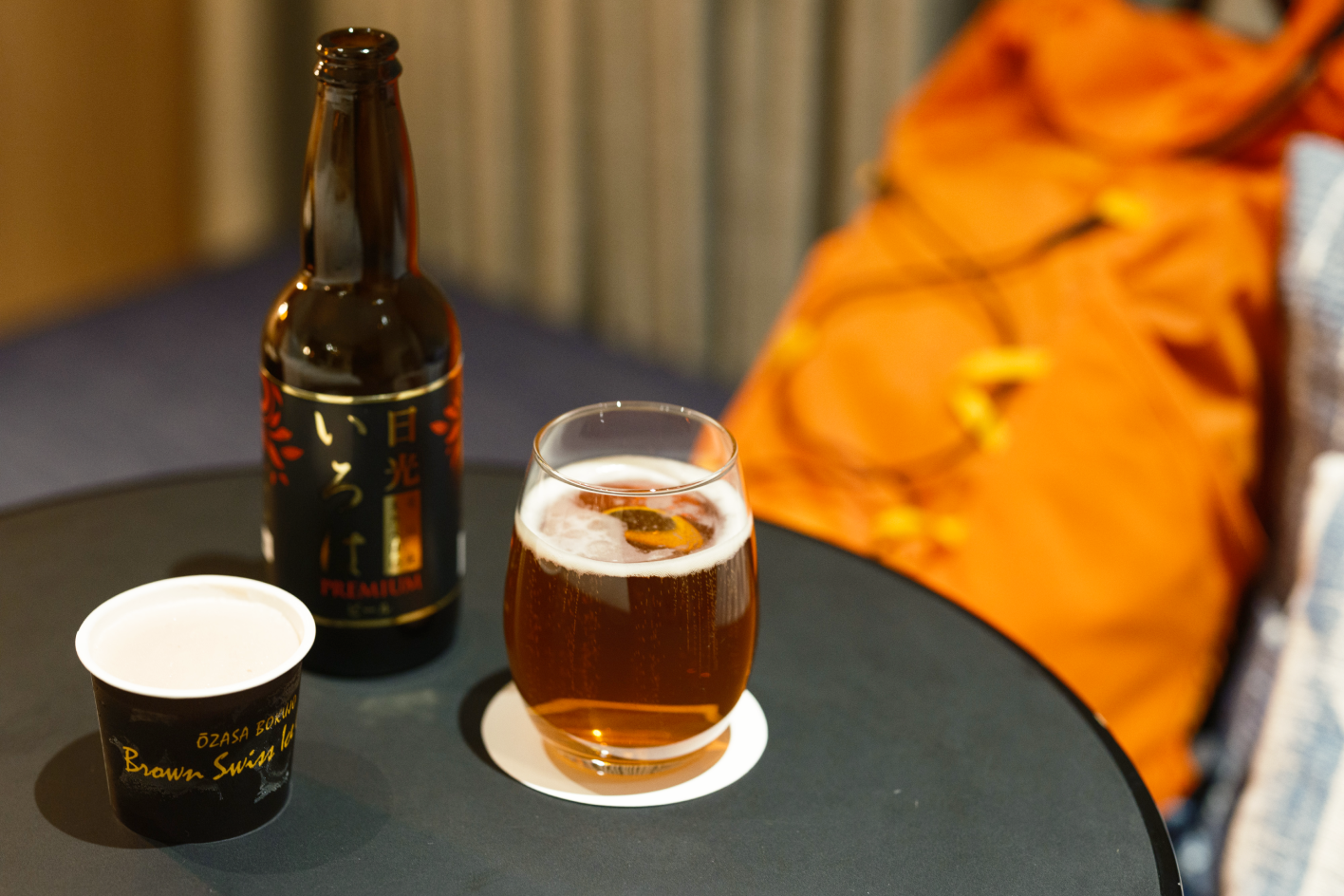
At the hotel’s Marketplace, you purchase a bottle of Nikko Iroha, a craft beer made with spring water from Senjogahara in Okunikko, and a cup of Brown Swiss Ice Cream, which is made with fresh milk from rare Brown Swiss cattle raised at Ozasa Farm in the Nikko Kirifuri Highlands. You savor the bounties of Nikko in your room as the night slowly settles in.
Per Night Per Room from ¥19,360