

Motorsports and pottery in two neighboring towns in Tochigi
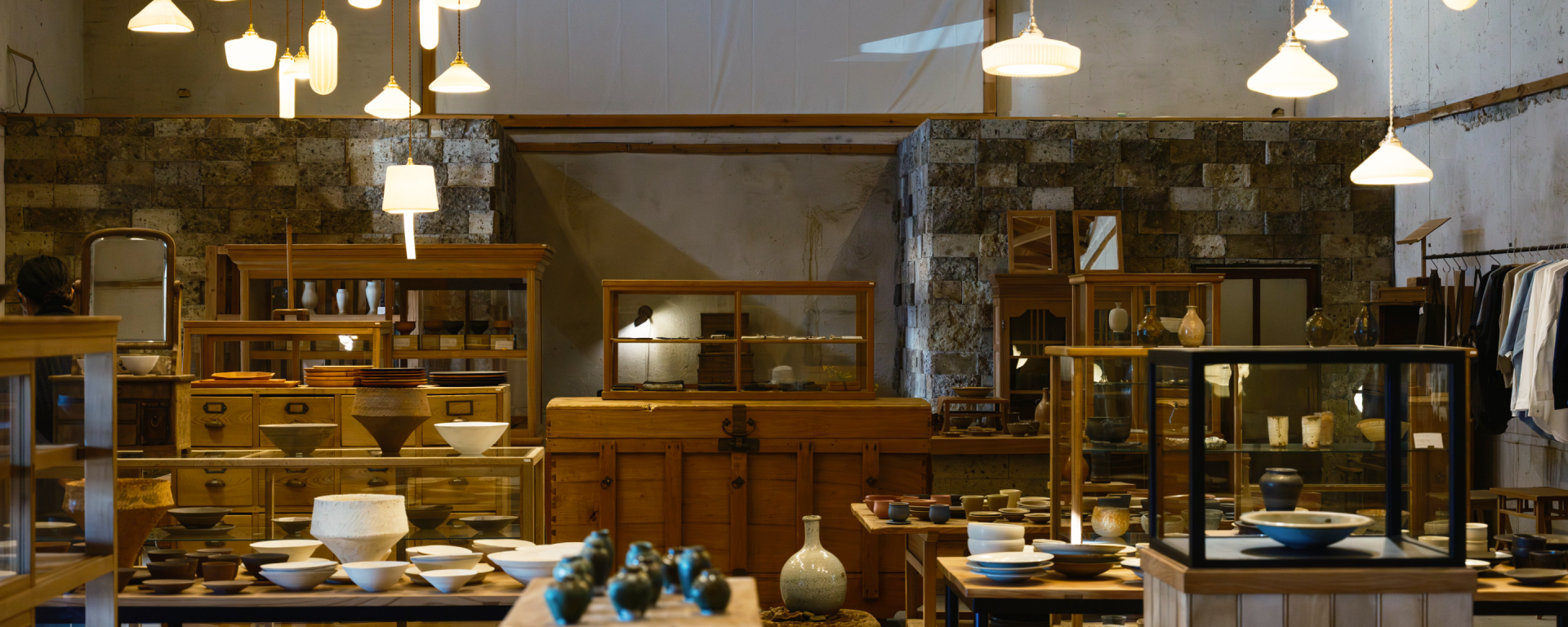
The town of Motegi in Tochigi is known as a mecca for motorsports. There’s even a namesake race course and automotive theme park operated by Honda called Mobility Resort Motegi. The resort brings in many visitors attracted by its two full-scale circuits that host international races, as well as interactive attractions that are fun for the whole family. But the neighboring town of Mashiko is also famous in its own right, known for its pottery studio and numerous gallery shops and cafés that sell antique curios and furniture. You’re planning a journey that will take you to both towns so you can enjoy each one’s unique charms.
Motegi: Where countryside and motorsports meet
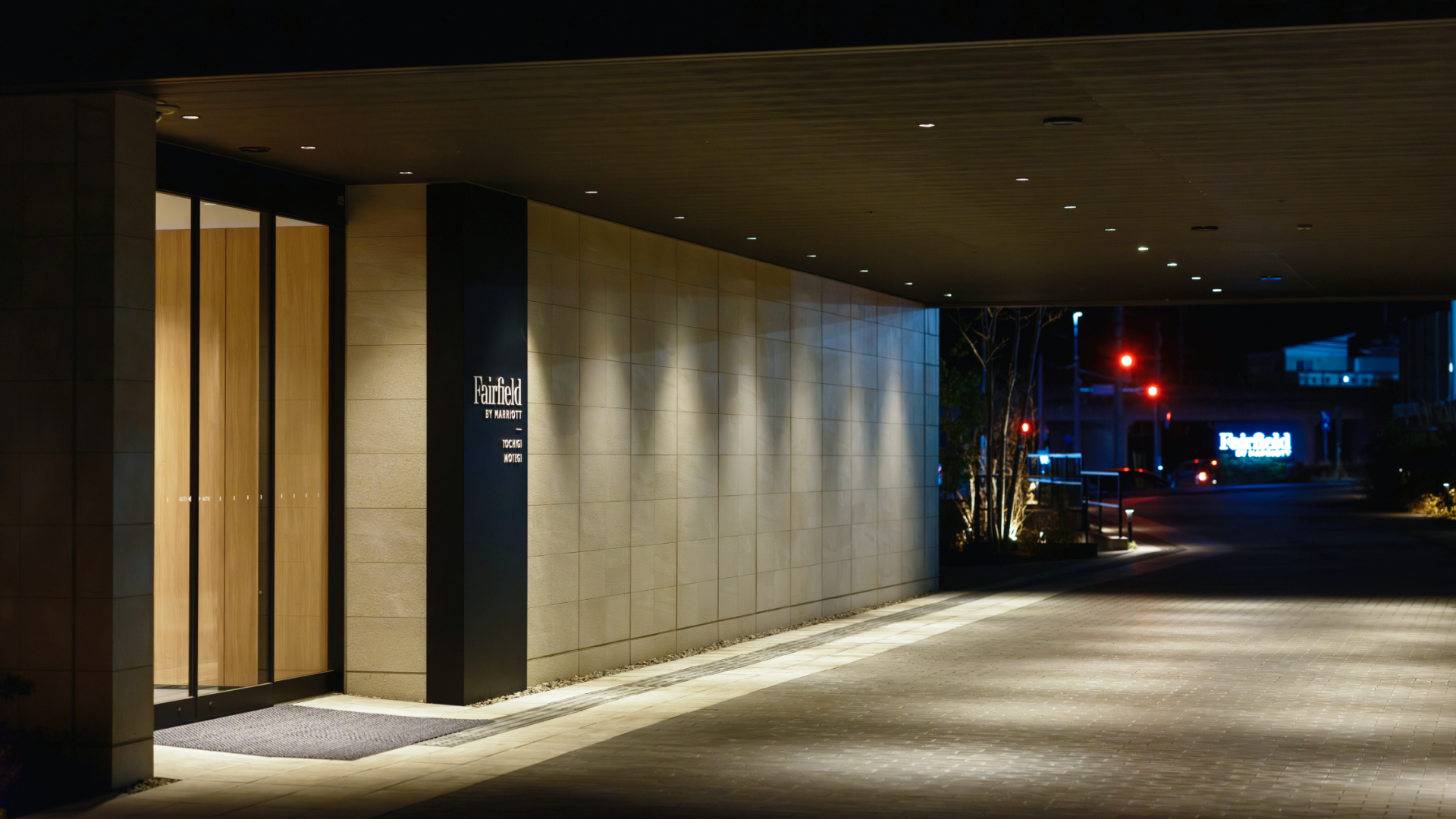
At Fairfield by Marriott Tochigi Motegi, you are positioned perfectly alongside the "Motegi" roadside station and Mobility Resort Motegi. It is an ideal hub for seamless family getaways and driving tours.
08:00 Tokyo Train Station
10:00 Shiroyama Park
11:10 Hiyama
11:30 Gentaro
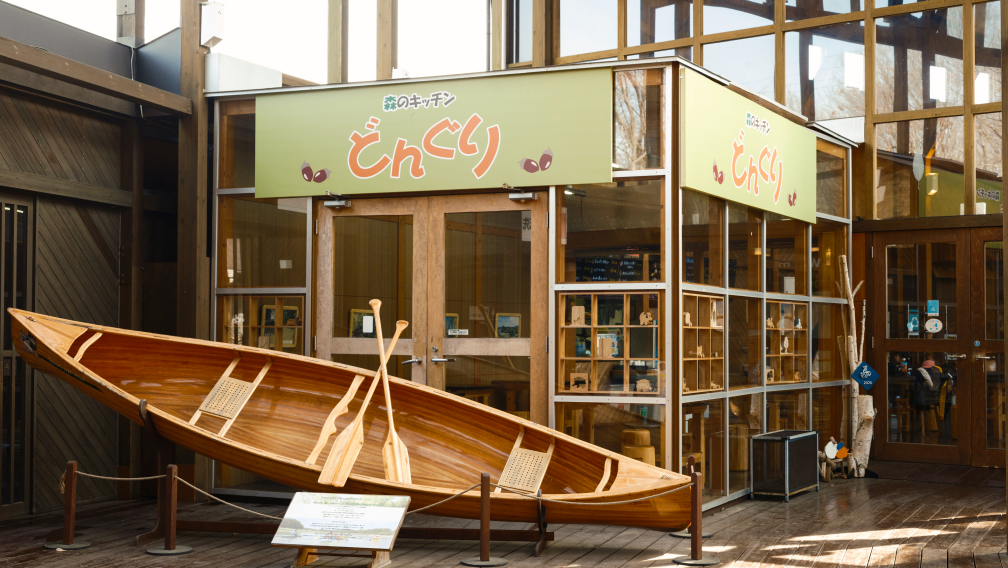
12:15 Lunch at Donguri
13:45 Mobility Resort Motegi
17:00 Fairfield by Marriott Tochigi Motegi
Day 1 Total Distance: 155.06 km
Day 1 Total Travel Time: About 3 hours
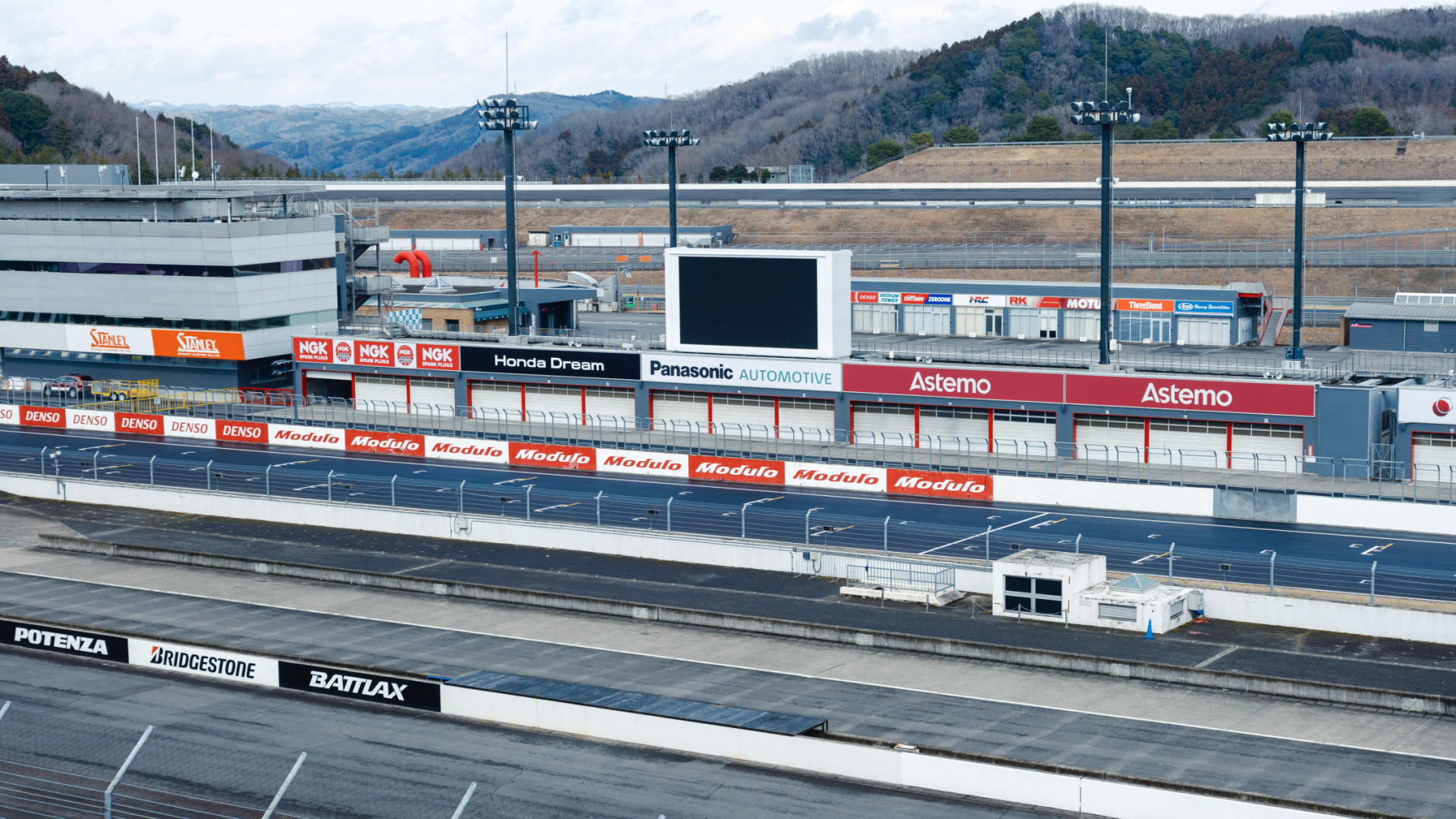
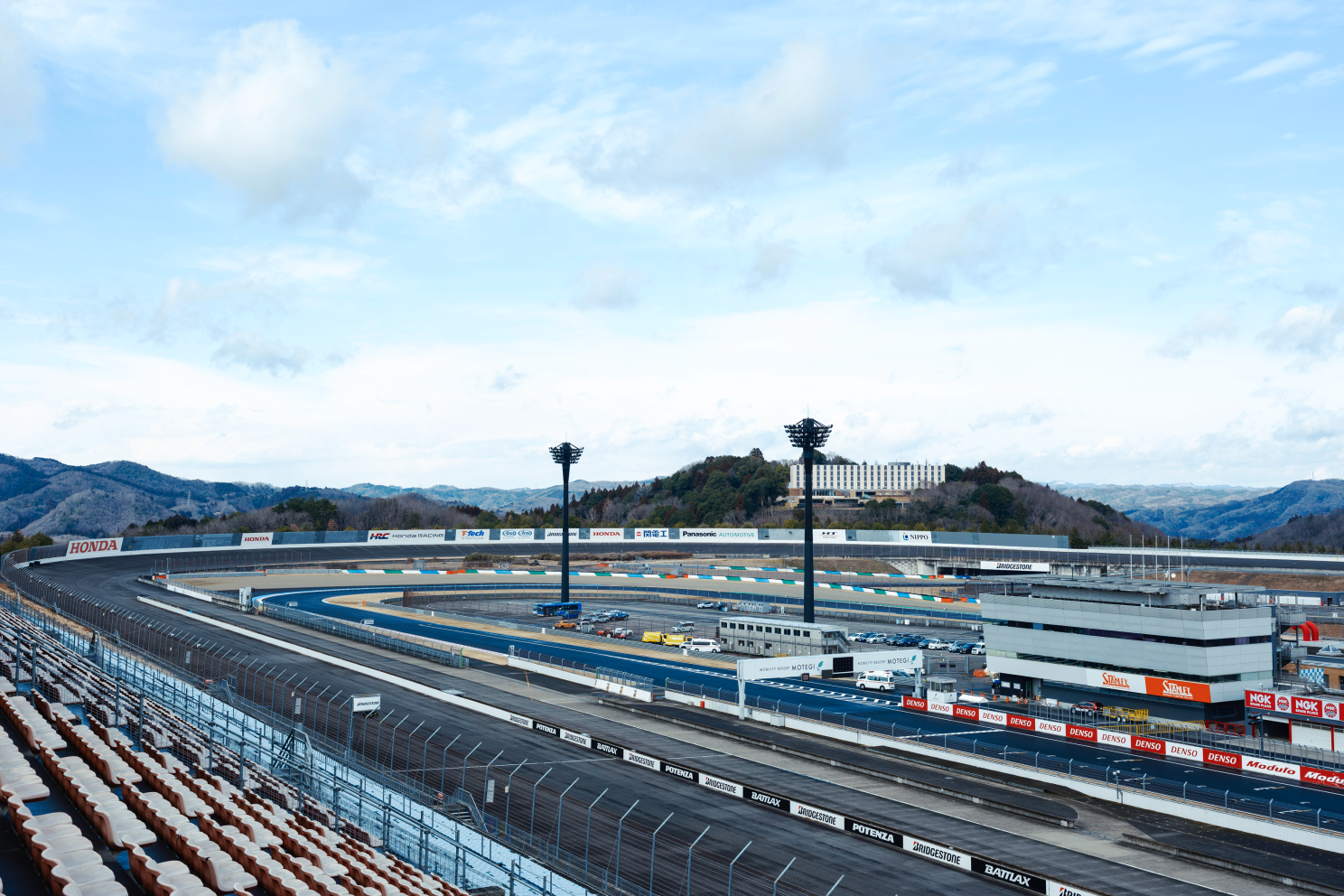
In an auto race, drivers fly down tracks at speeds of over 300 kilometers per hour (185 miles per hour). Mobility Resort Motegi is one such venue, where racers come to compete from around the world. Visitors can not only get an up-close look at the 4.8-kilometer (3.0-mile) track but also enjoy a wide variety of family-friendly attractions. Outside of the resort, there are many local highlights dotting the rural scenery, which is a stark contrast to the racing venue. You plan to spend a day exploring these two distinct faces of Motegi.
***

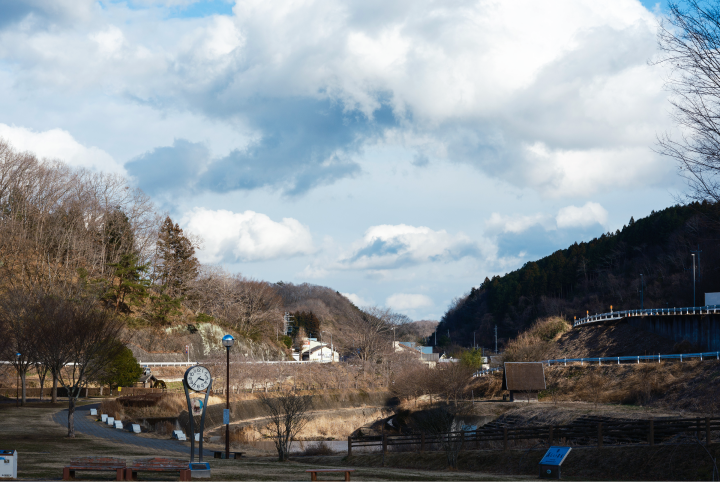
From Tokyo, you drive towards Motegi, looking forward to seeing its mix of traditional farmland culture and innovative enterprise.
Shiroyama Park: Taking in the Motegi landscape
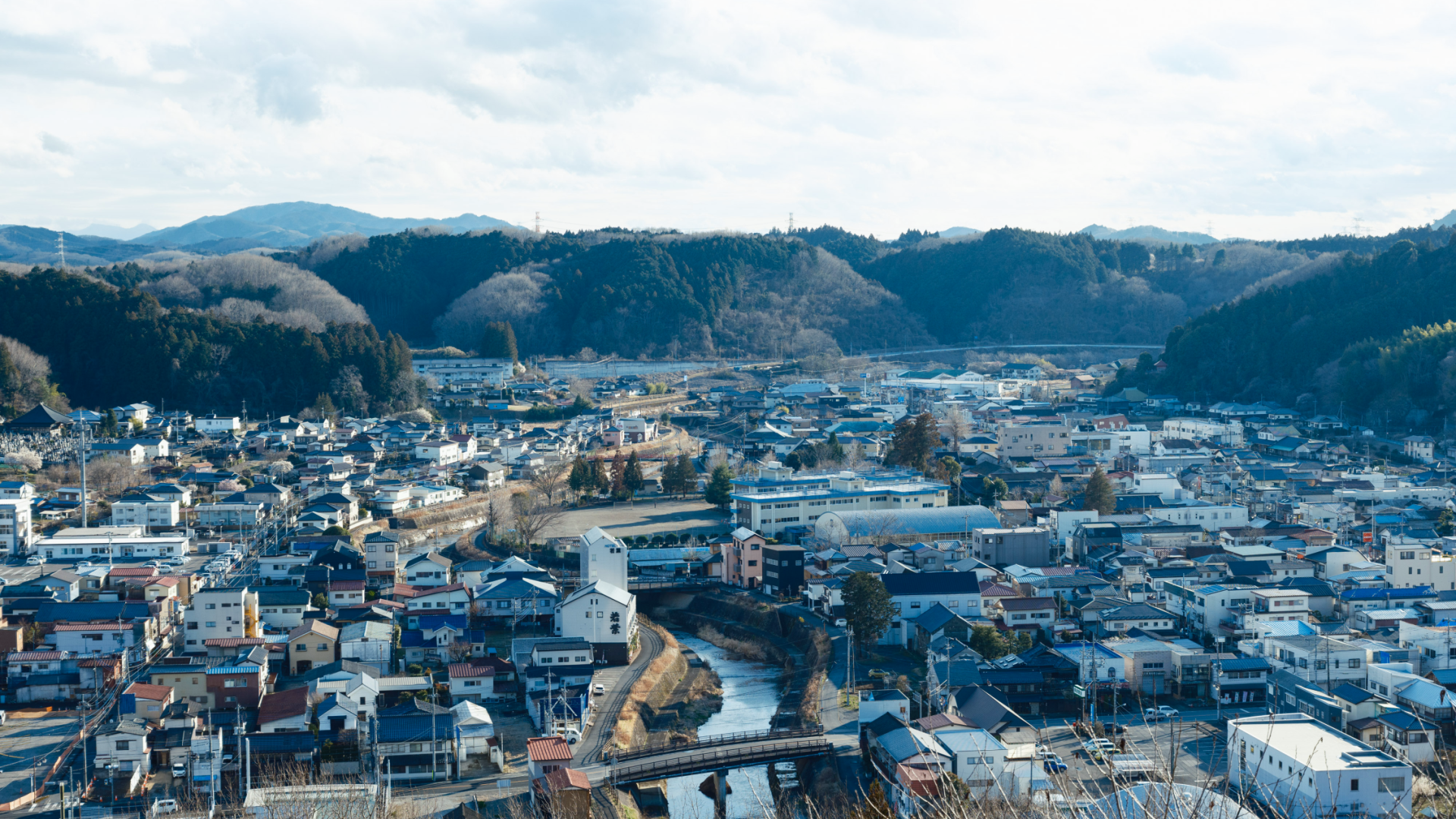
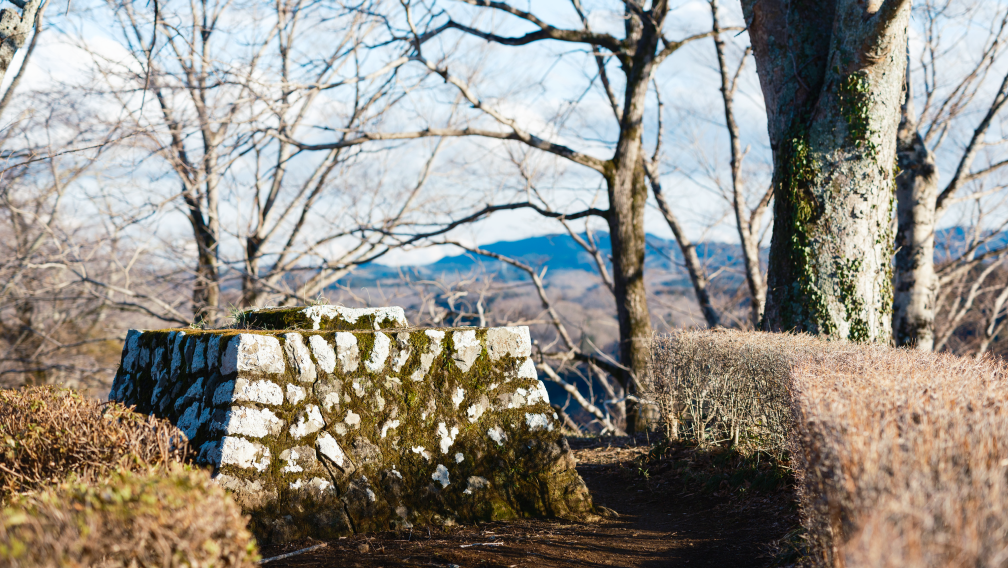
The first destination you’ve set for your trip is Shiroyama Park. The park houses the ruins of Motegi Castle, located on a hill overlooking downtown Motegi—it’s much loved for both its history and its views. Vestiges of the main keep and moat still remain, so you bask in the atmosphere of days gone by as you stroll through the park.
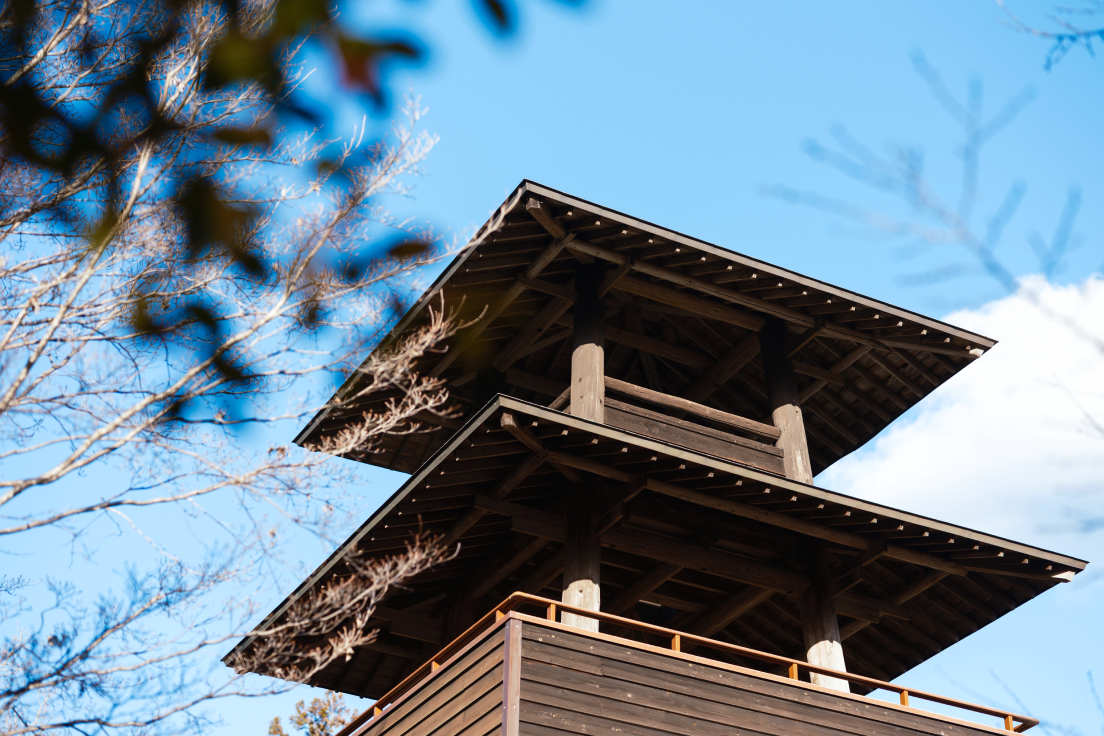
It was a good choice to start the trip here because the hill offers a panoramic view of the town, allowing you to take in its topography. Plus, the walk loosens up your stiff muscles after the long drive.
Hiyama: Freshly fried goodness
A small community-focused food hub
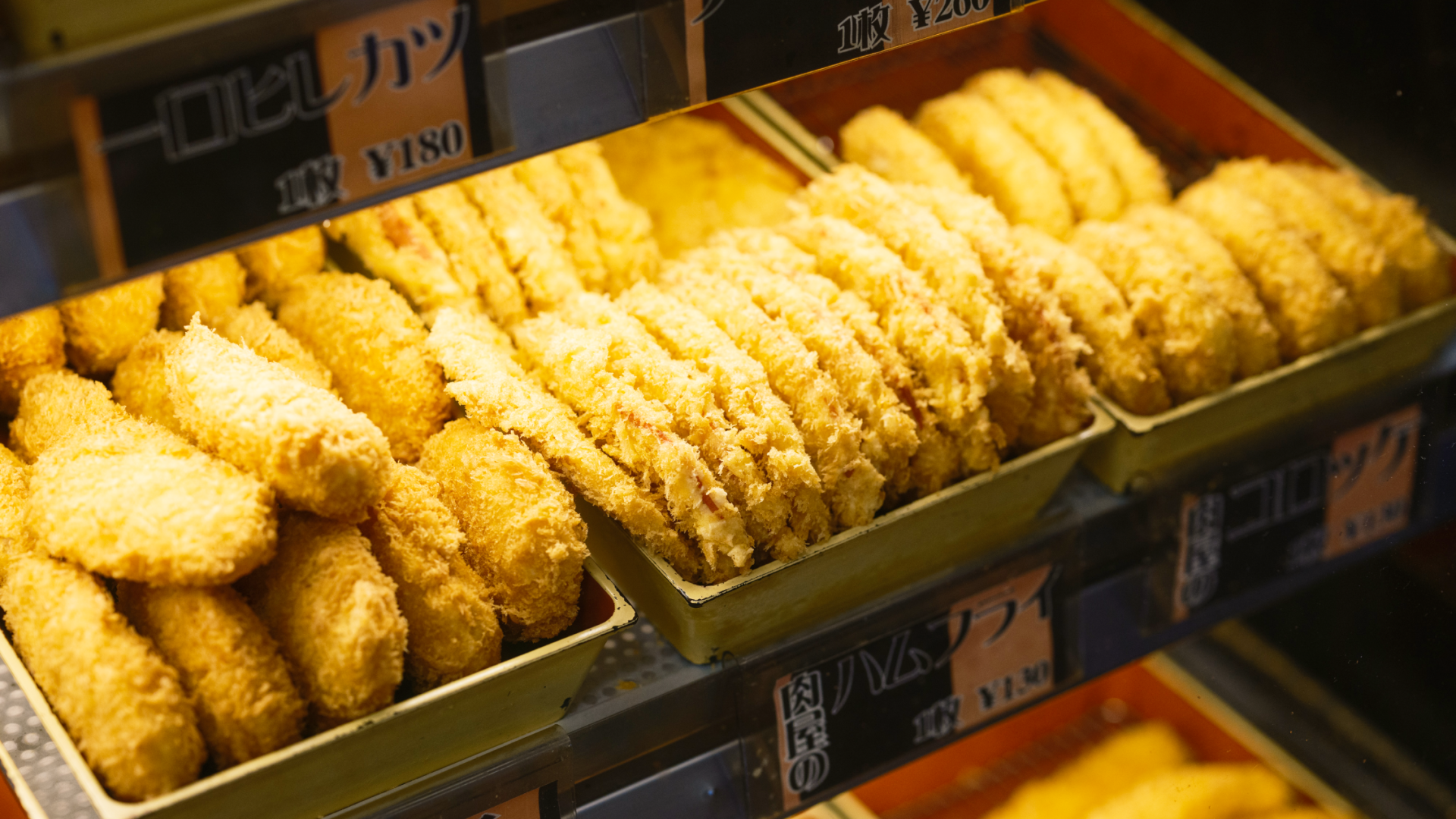
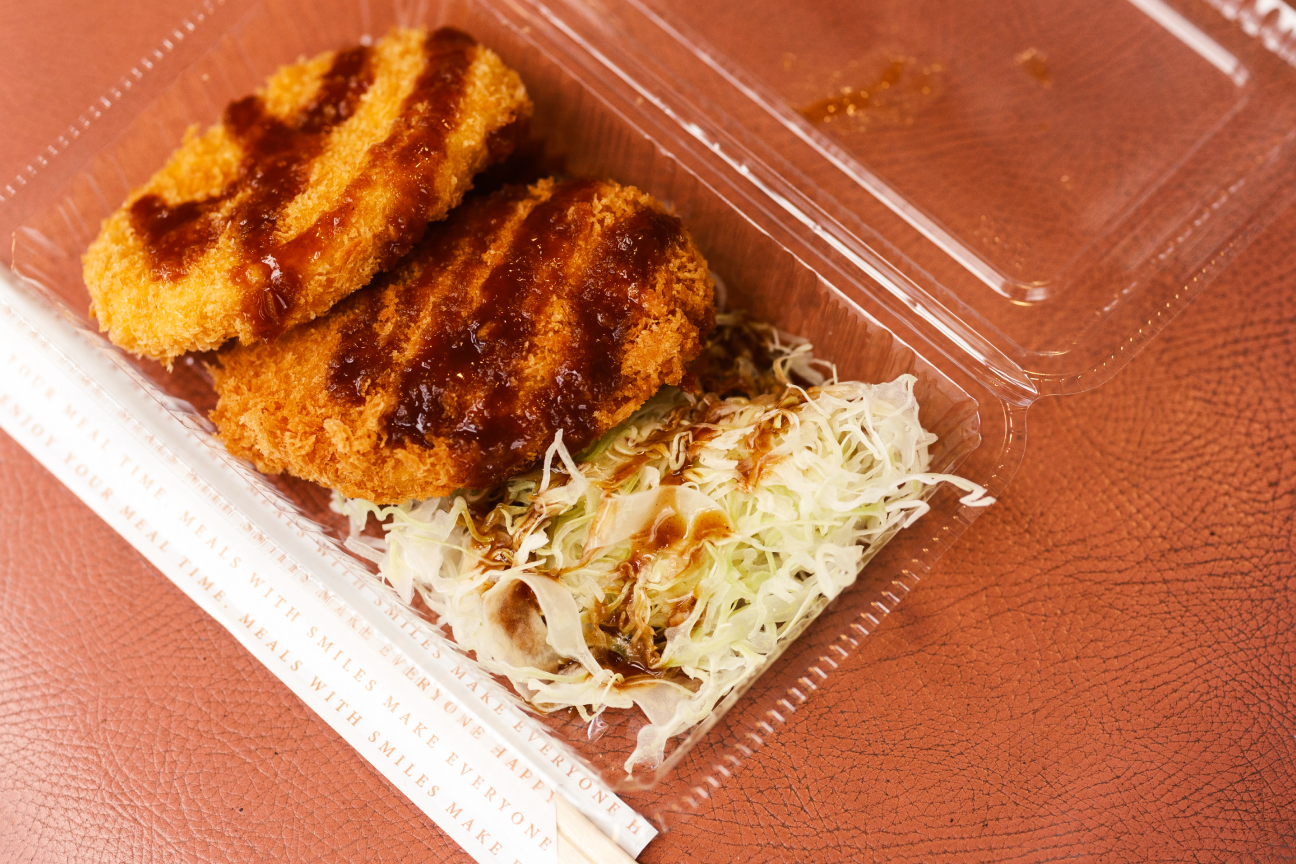
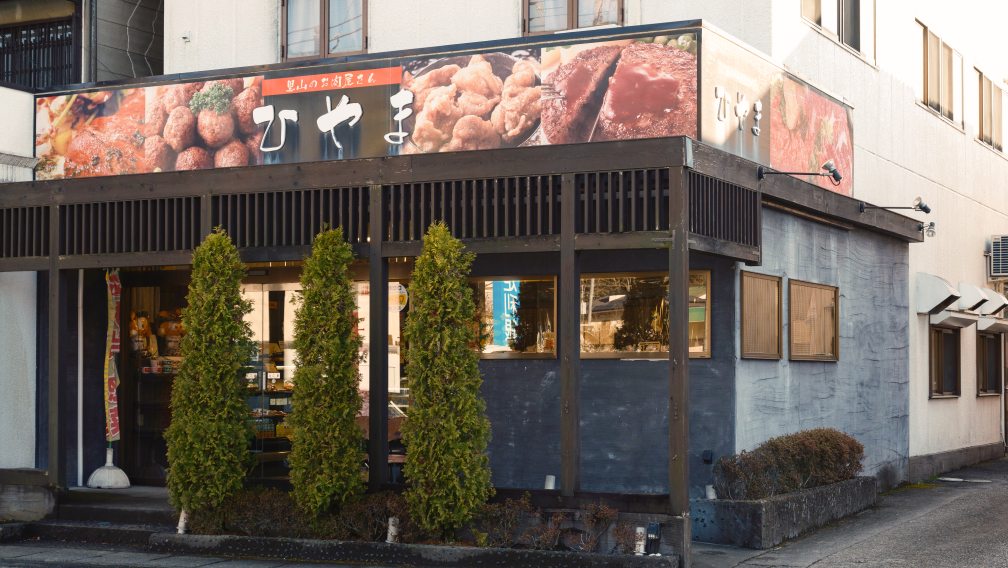
Just down the hill from Shiroyama Park is Hiyama, a shop that advertises itself as a farmland butcher. The fragrant aroma of freshly fried food fills the interior. Everything looks tempting, but you decide to order two croquettes, one with minced meat and one with potato—they’ll be easy to eat on the go. When you tell the owner that you want to eat them right away, he arranges them in a to-go container, drizzles them in tonkatsu sauce, and even adds a side salad.
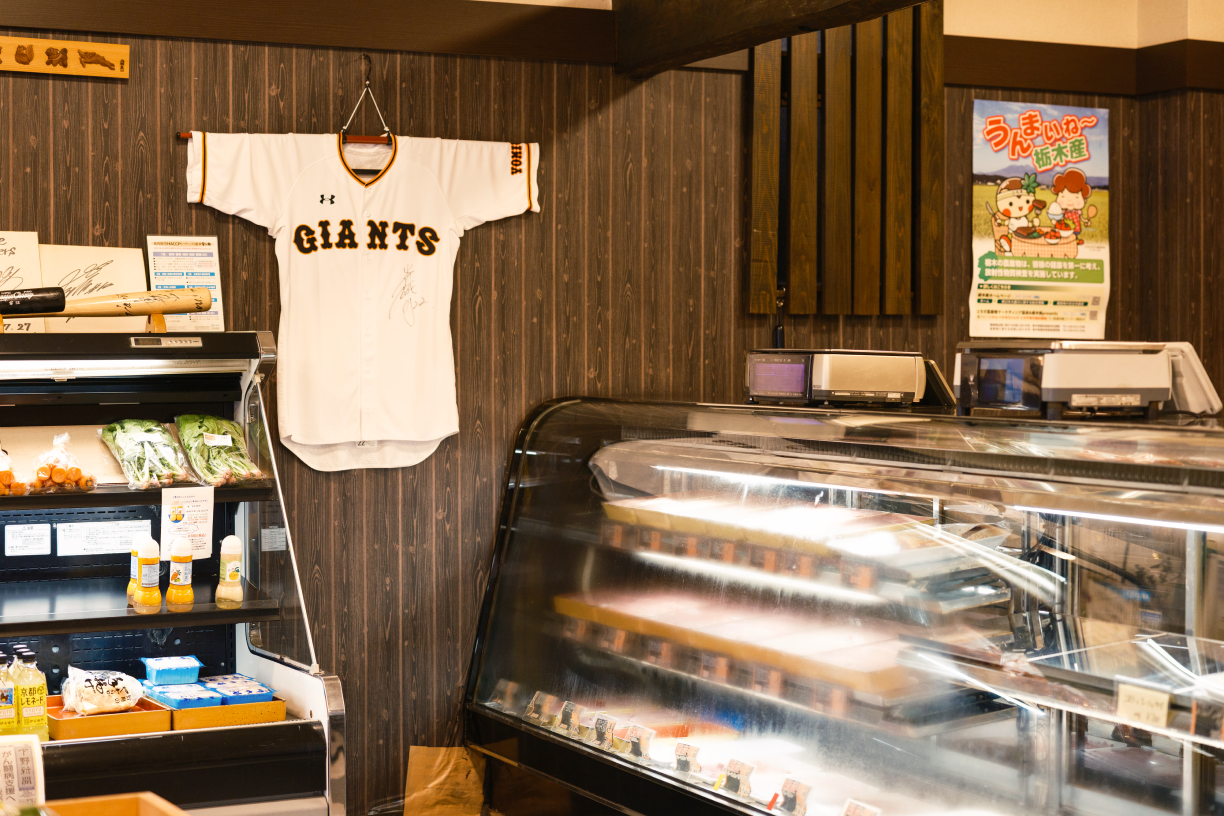
The fresh croquettes are just as satisfying as you’d expect from a butcher shop—packed with filling and a rich flavor that suffuses every bite. The shop has a dining area, so you could have enjoyed your snack right then and there if you wanted. What’s more, Hiyama sells not only meat but also organic vegetables from local farmers. You have a feeling that this place, with all its delicious ingredients, serves as a community hub for the town.
Gentaro: The sweet side of a castle town
A confectionery made for 150 years
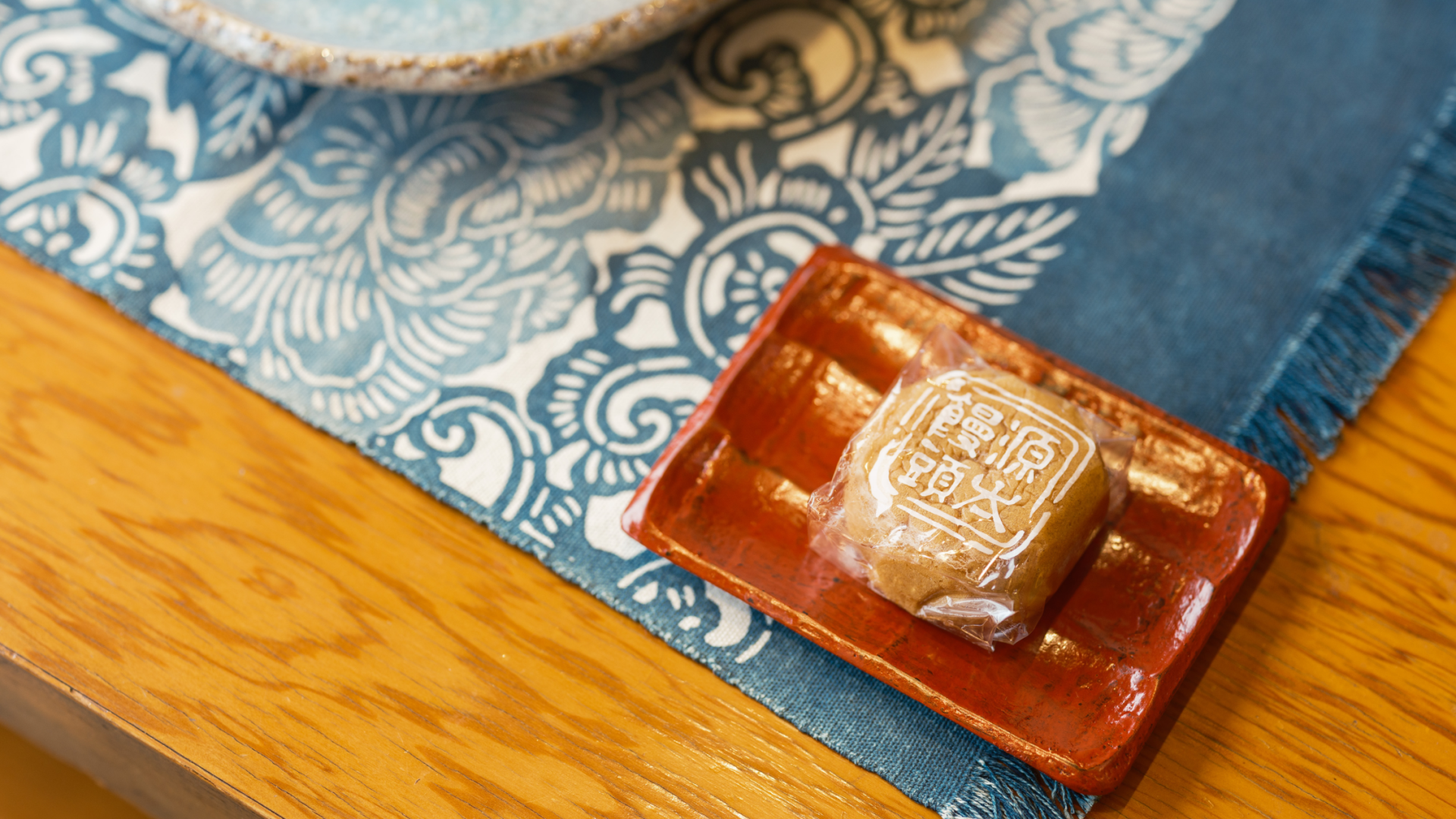
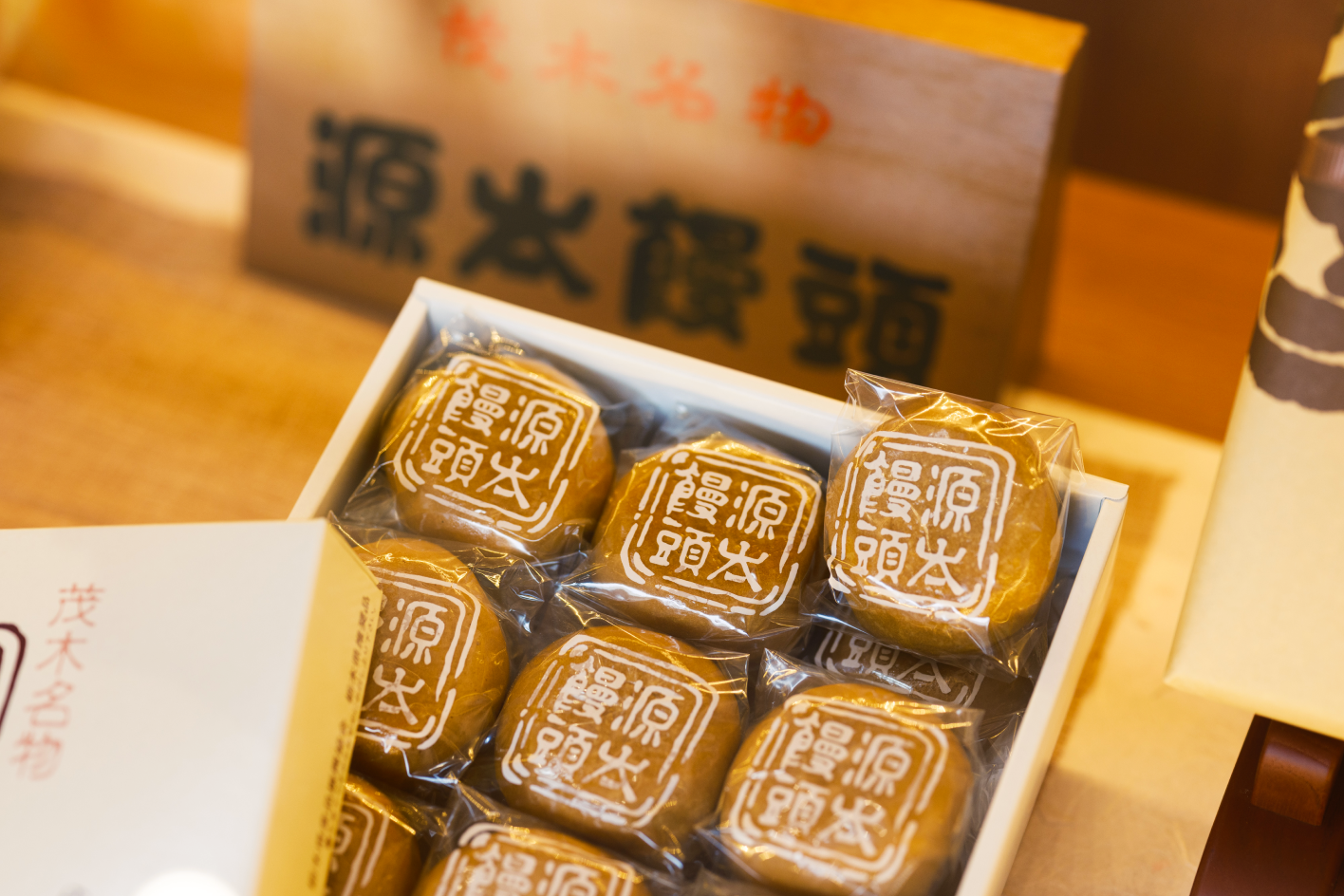
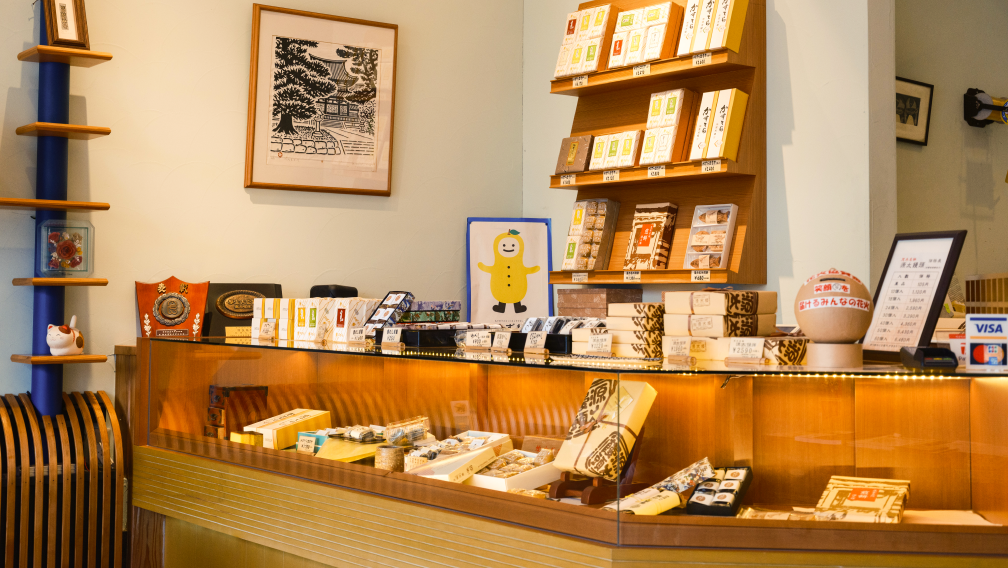
You also stop by Gentaro, a traditional confectionery shop just around the corner from Hiyama. It’s famous for its signature Genta Manju steam buns. In 1881, Gentaro Ishizaki—Genta to his friends—opened a confectionary shop called Ishidaya. His manju steam buns were so delicious that word began to spread about “Genta’s delicious manju.” Before long, people started calling them “Genta Manju.” To capitalize on that nickname, Genta renamed his business “Gentaro”—a pun that in its written form means “Genta’s eatery.”
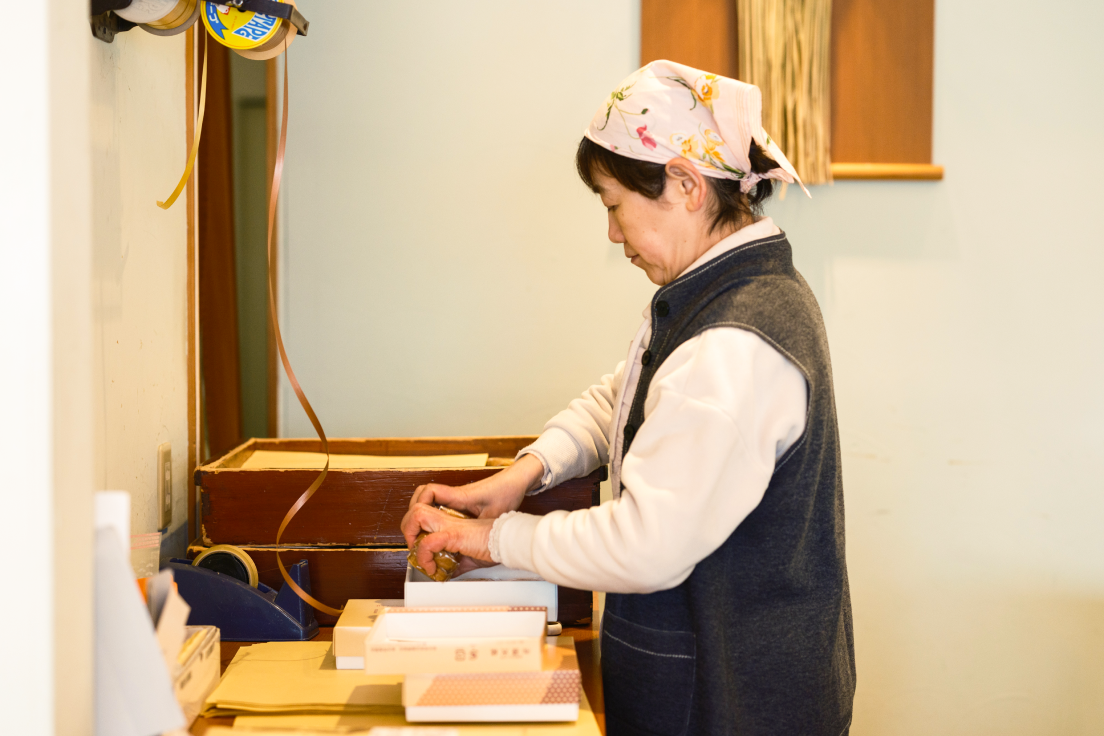
It’s fun to imagine the gossip network of this castle town spreading the word of these delicious treats. Charmed by the image, you stop in to buy some Genta Manju as souvenirs and grab an extra one to enjoy there on the spot. The bun, made fresh that very morning, is still slightly warm when you pick it up. You take a bite and are enchanted by its subtle sweetness—a delicate flavor that could have only been perfected over the course of almost 150 years.
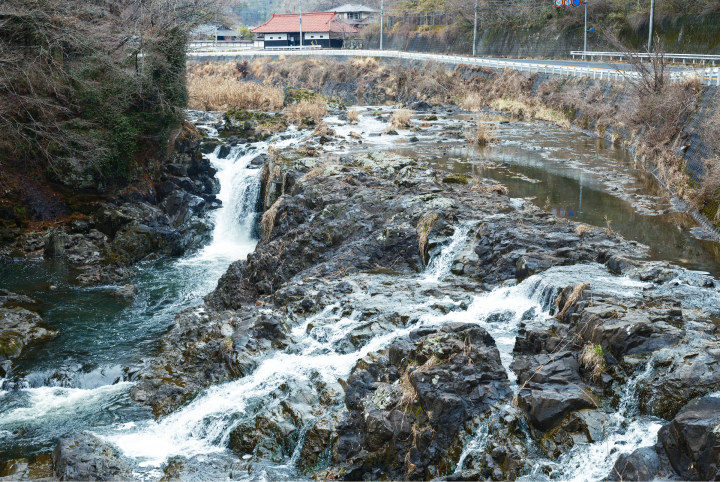
Leaving the town center and its castle town atmosphere, you drive eastward along the Sakasagawa river.
Donguri: A dining room with the warmth of wood
The gentle flavor of yuzu salt ramen
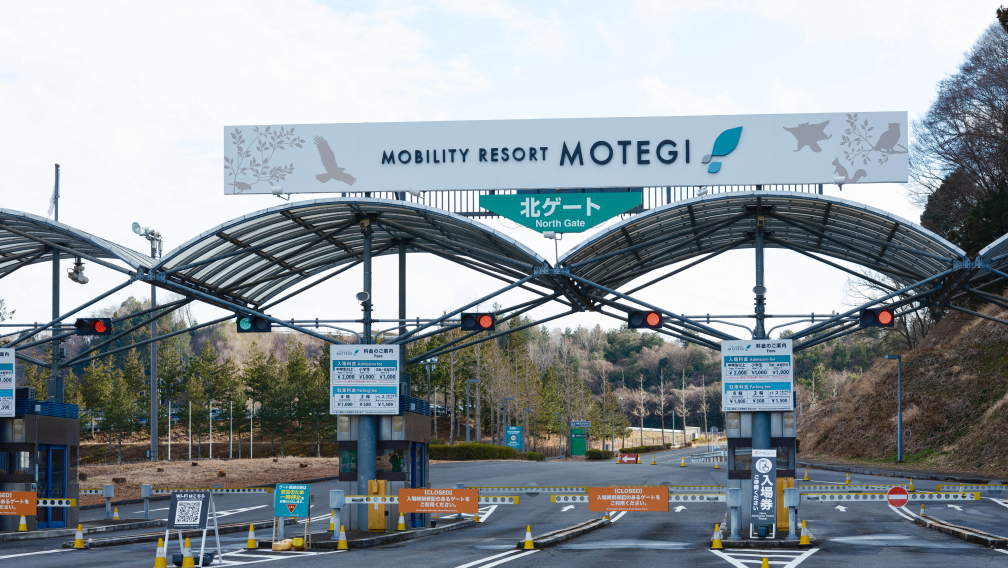
Next, you arrive at Motegi’s premier tourist destination: Mobility Resort Motegi, the resort complex that blends motorsports and nature. After passing through the entrance gate, which resembles a pit lane, you can drive your own car around the wide grounds.
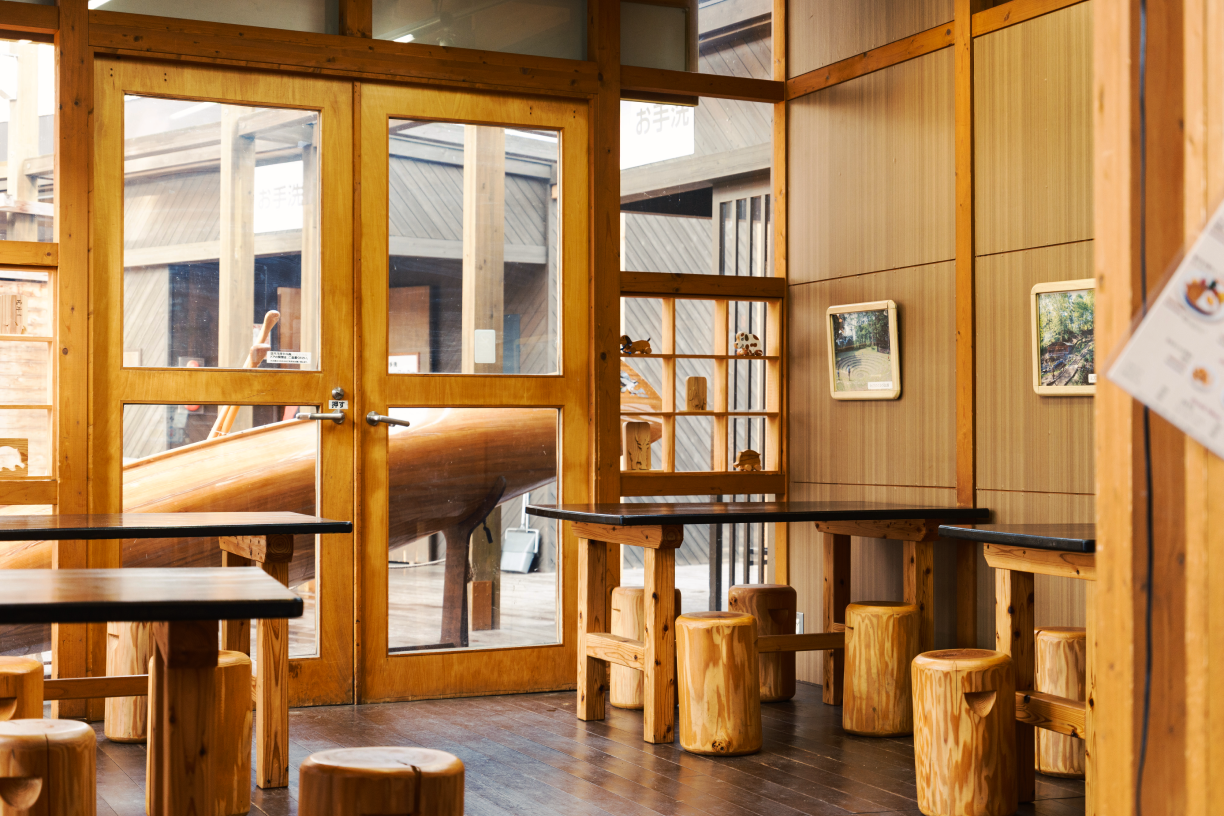
Since you haven’t had lunch yet, you first stop at Donguri. The warm wood composing the interior and the log stools and wooden car decorations make it look as if the restaurant was plucked out of a forest. It’s a charming space, and the slightly low tables suggest that they were designed with children in mind.
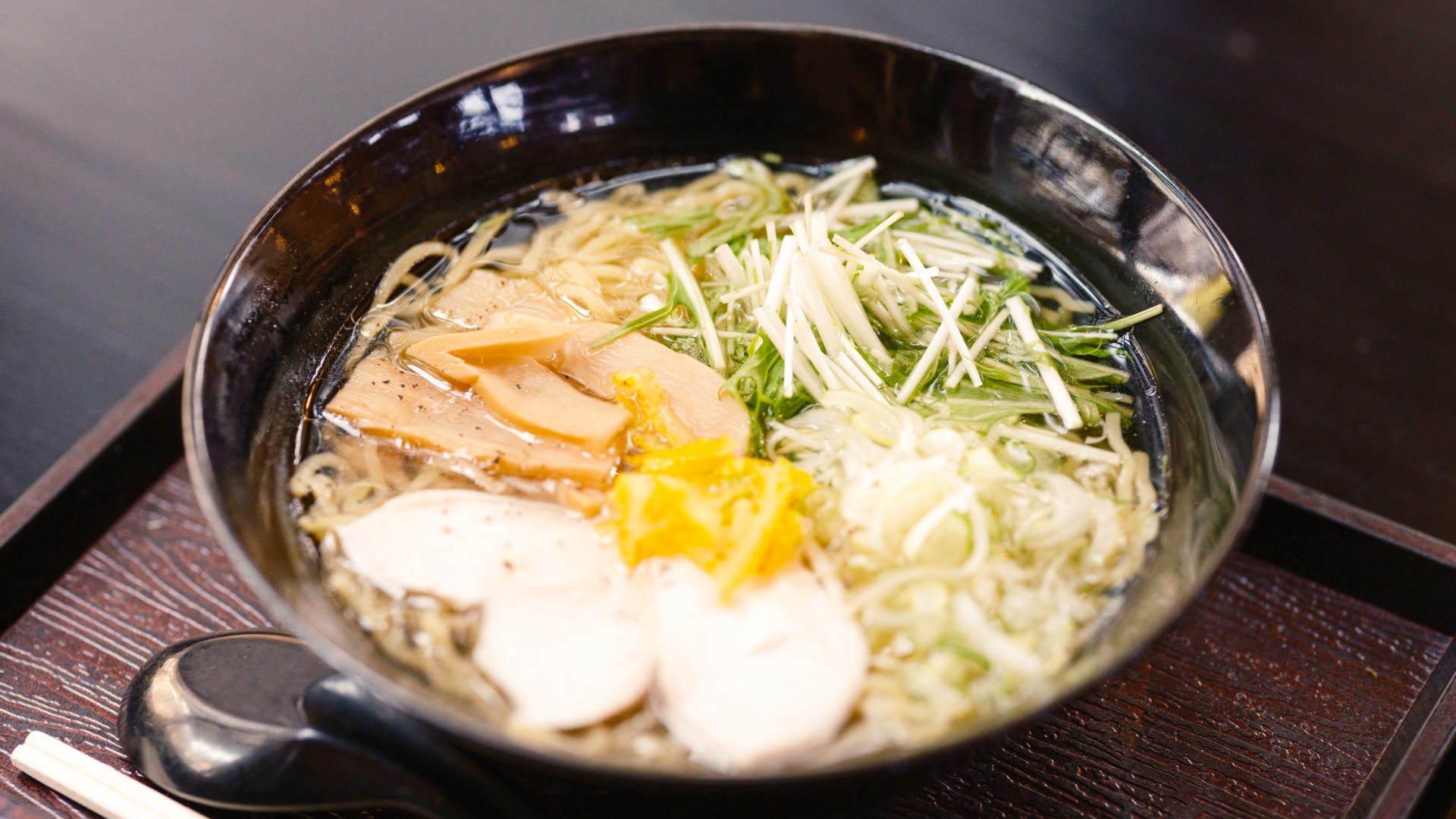
You scan the cute menu board and choose the yuzu salt ramen—a “Motegi specialty,” apparently. The dish contains yuzu citrus, one of Motegi’s major products. The delicately salty broth blends beautifully with the refreshing tartness and aroma of the yuzu. You scarf down one bite after another, and before you know it, your chopsticks are scraping the bottom of the bowl.
Mobility Resort Motegi: A lineup of legendary cars
The legacy of Honda’s pioneering spirit and love of technology
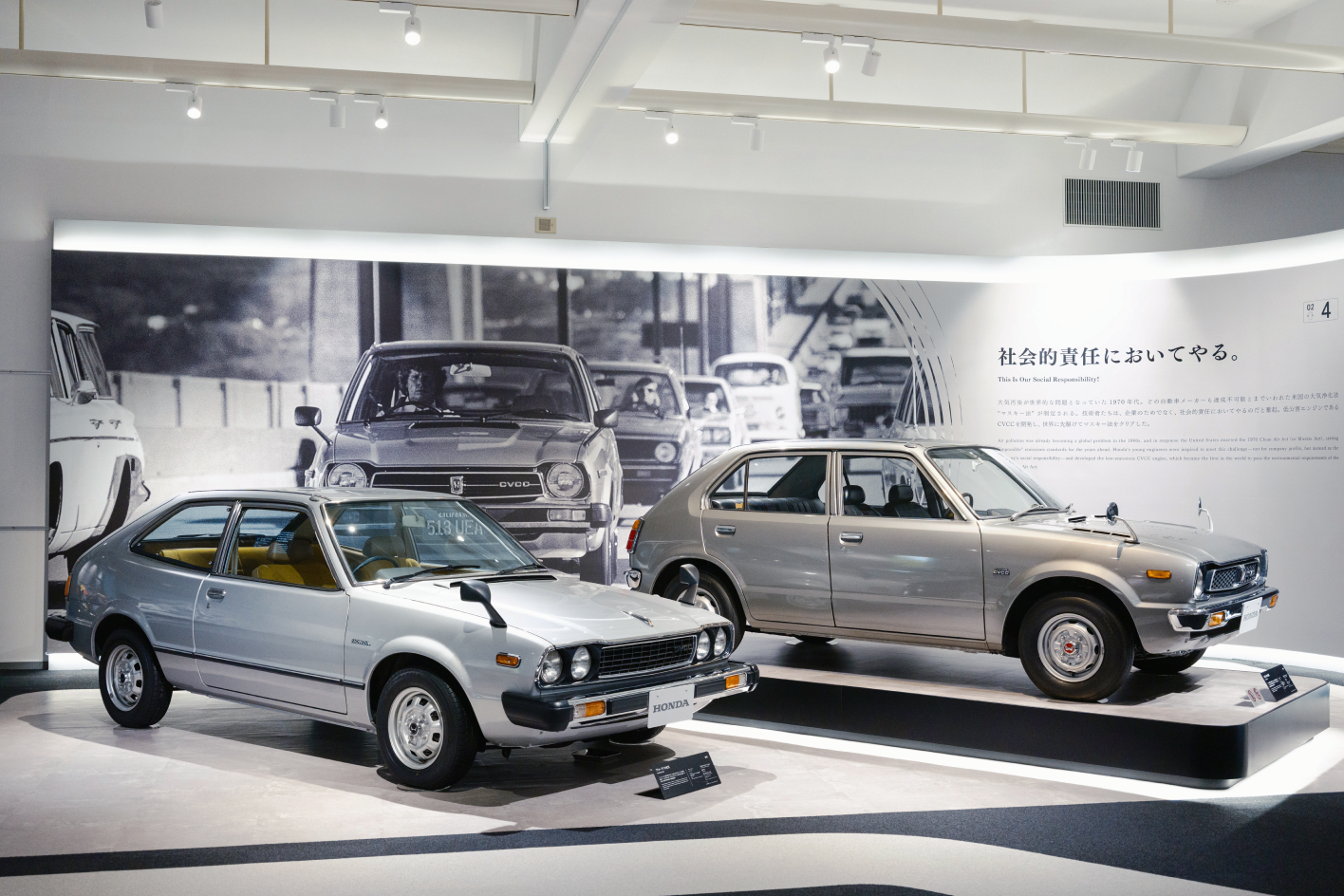
After lunch, you head to the Honda Collection Hall, a museum within Mobility Resort Motegi that you’d been curious to visit. This is where you can learn about the history and technological progress of Honda, one of the world’s most famous automakers. The museum displays include numerous vehicles—mostly cars and motorcycles—from the company’s founding to the present day. The collection of about 160 vehicles includes racecars that have competed around the world and iconic commercial models that defined their eras. The sheer scale is overwhelming.
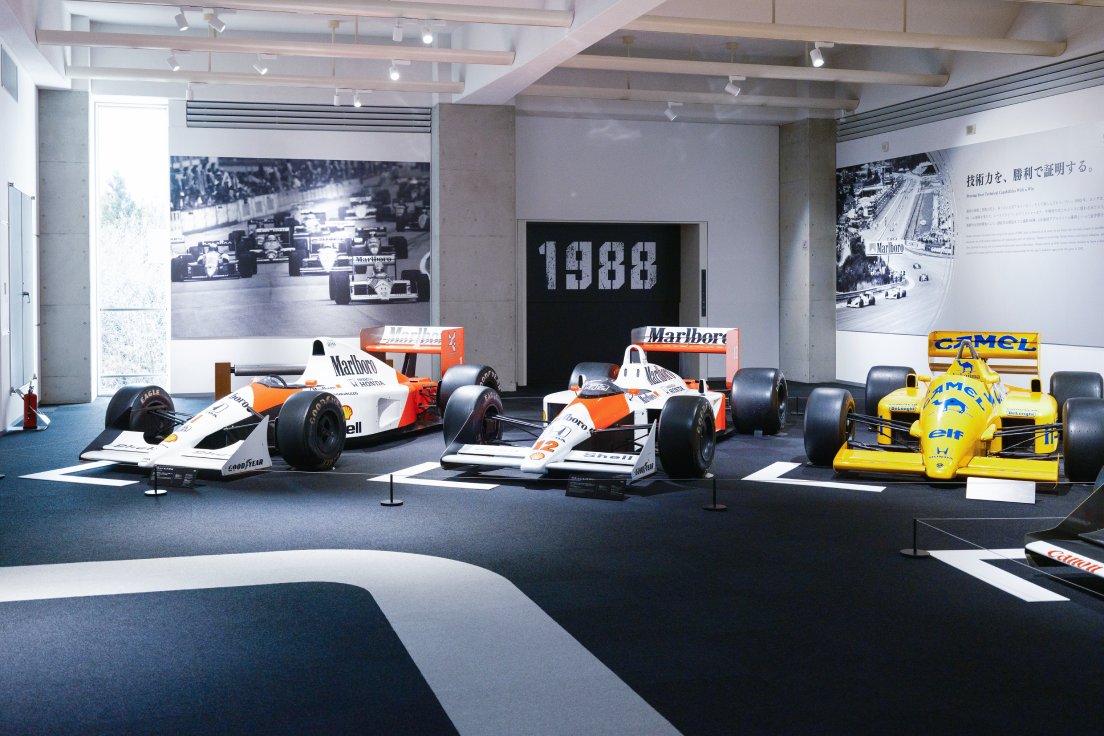
The museum also introduces the company’s founder, Soichiro Honda, as well as his thoughts on manufacturing and the challenges he faced, and you find yourself captivated by the story behind his technological innovations. By tracing the development of the company’s engine technology and the evolutions in its designs, the exhibits offer a multidimensional perspective on how car culture took root in Japan and around the world. The museum is bound to leave a deep impression on car enthusiasts, but you think anyone interested in the history of manufacturing would also walk away impressed.
Ending your day at the Fairfield by Marriott Tochigi Motegi
Enjoying the tasty bounties of Tochigi
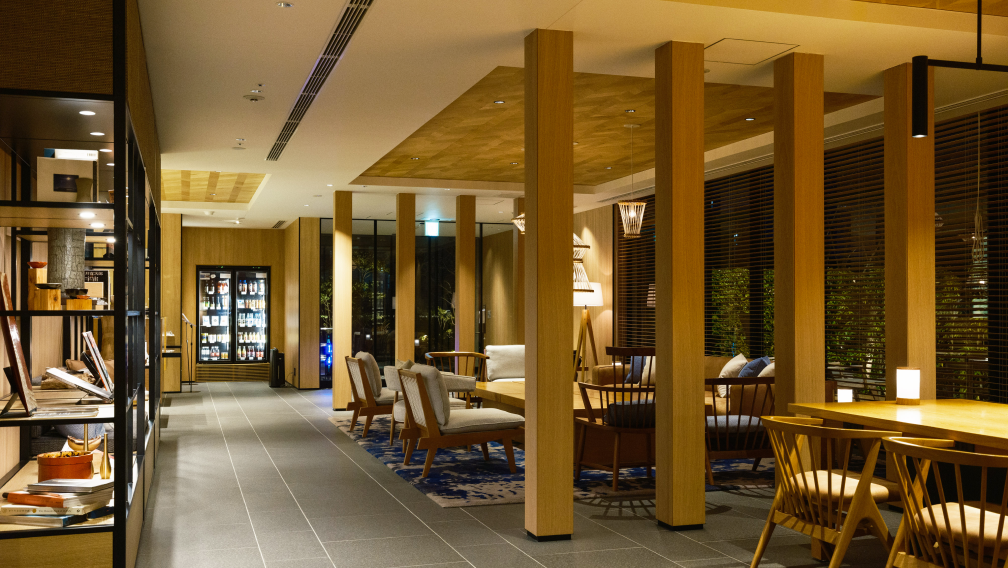
You return downtown and check into your hotel, the Fairfield by Marriott Tochigi Motegi. While chatting with the hotel staff about your trip, they mention that Mobility Resort Motegi is a popular destination among hotel guests. Even though you’re not a racecar driver, hearing that makes a strange sense of pride well up inside of you, as if you were standing on the same stage as all those professional racers.
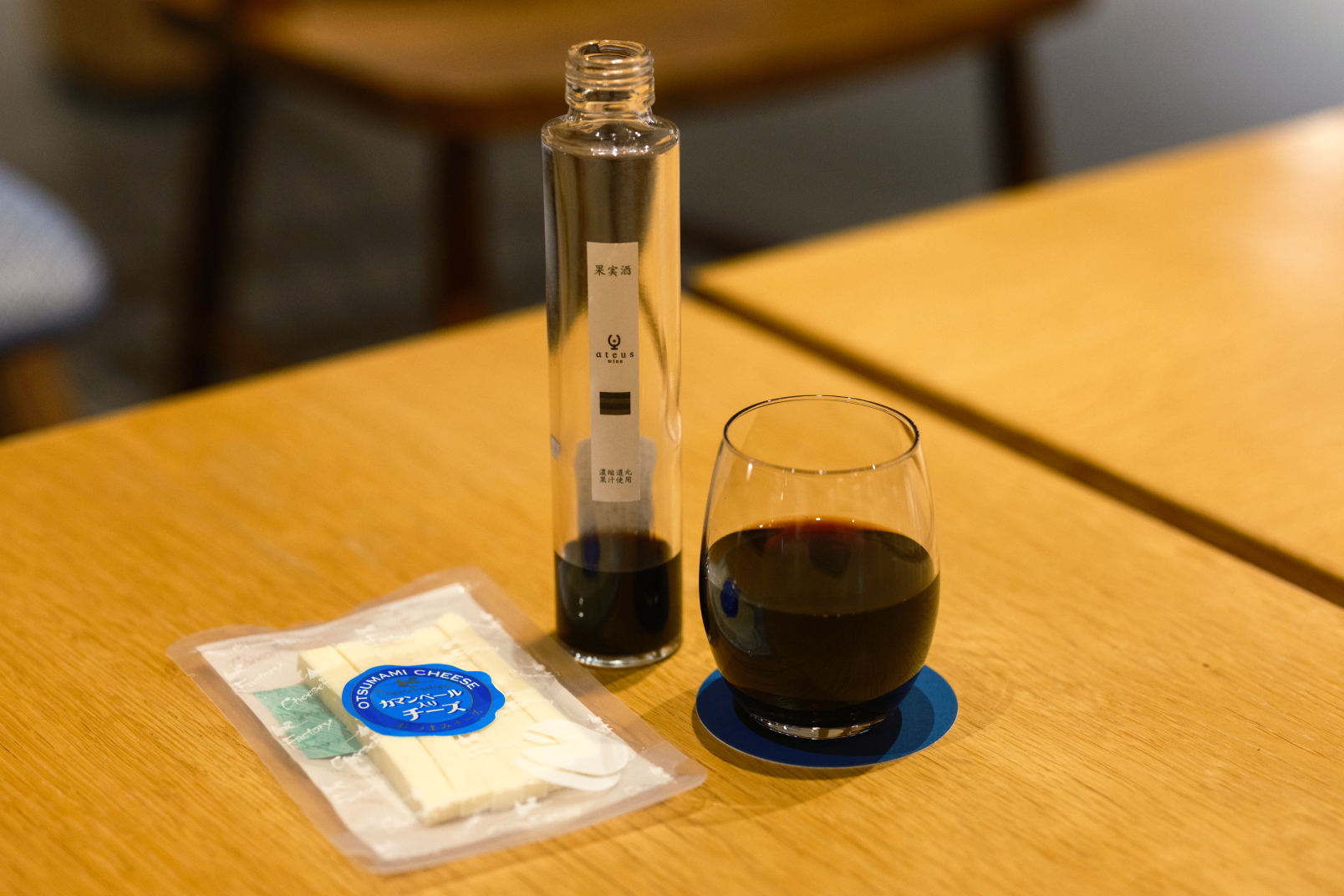
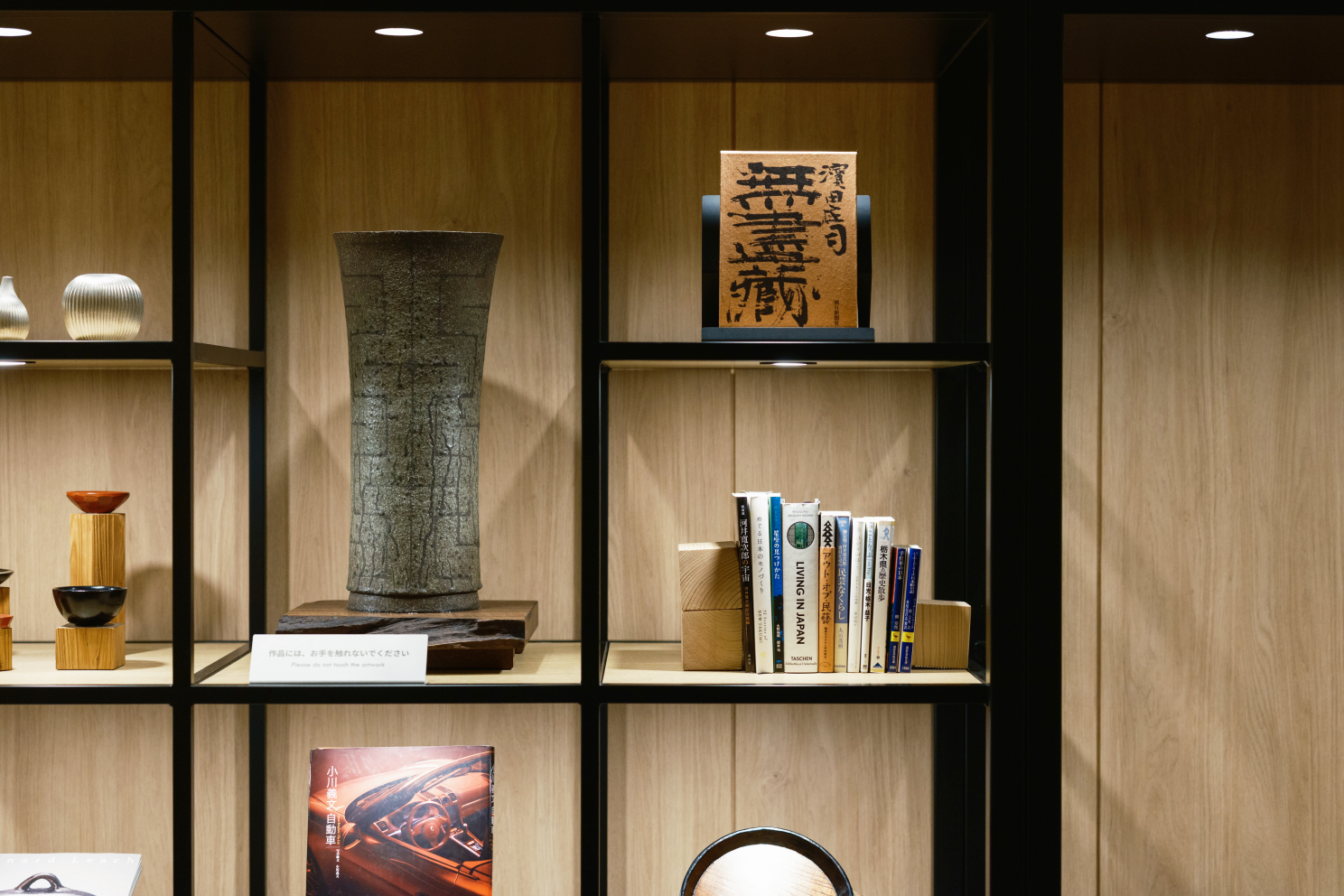
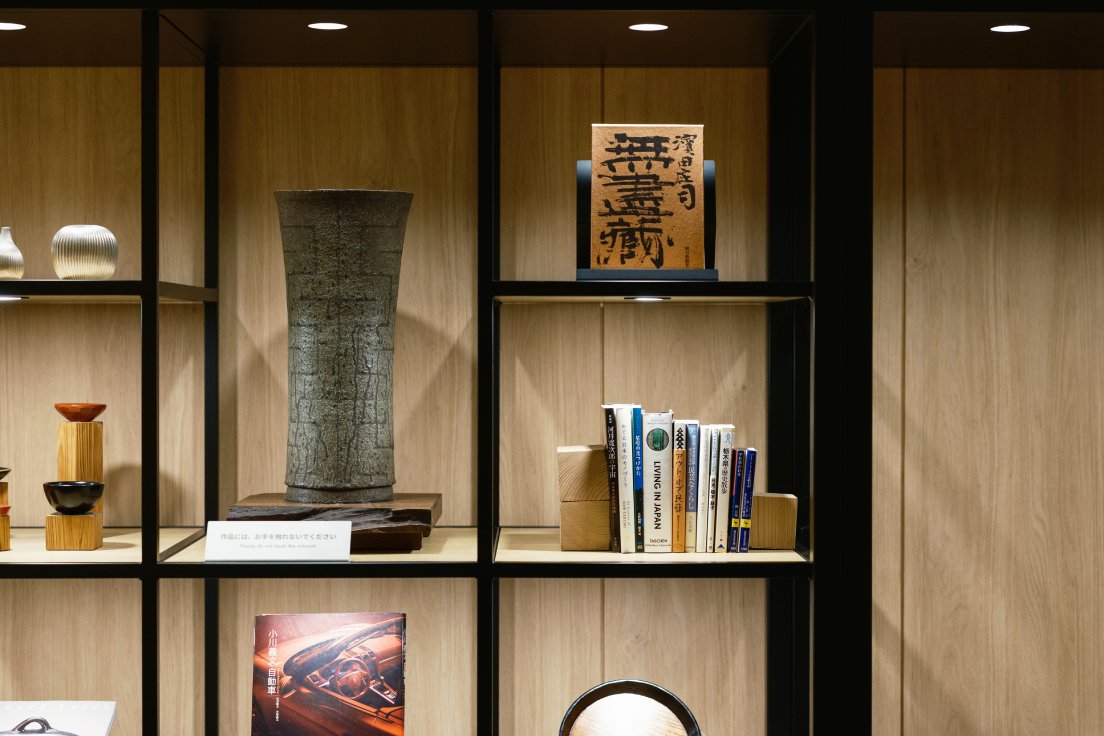
As you browse the Marketplace in the Lobby Lounge, you spot Ateus, a wine produced here in Motegi, and a Camembert-style cheese from Cheese Factory, which is based in the nearby city of Yaita. You can’t help but purchase one of each—you have a feeling they’ll give you a better understanding of the character of Tochigi. Wine and cheese in hand, you make your way to the Lobby Lounge, where you spend a leisurely evening admiring pottery and books from tomorrow’s destination: Mashiko.
Per Night Per Room from ¥19,360