

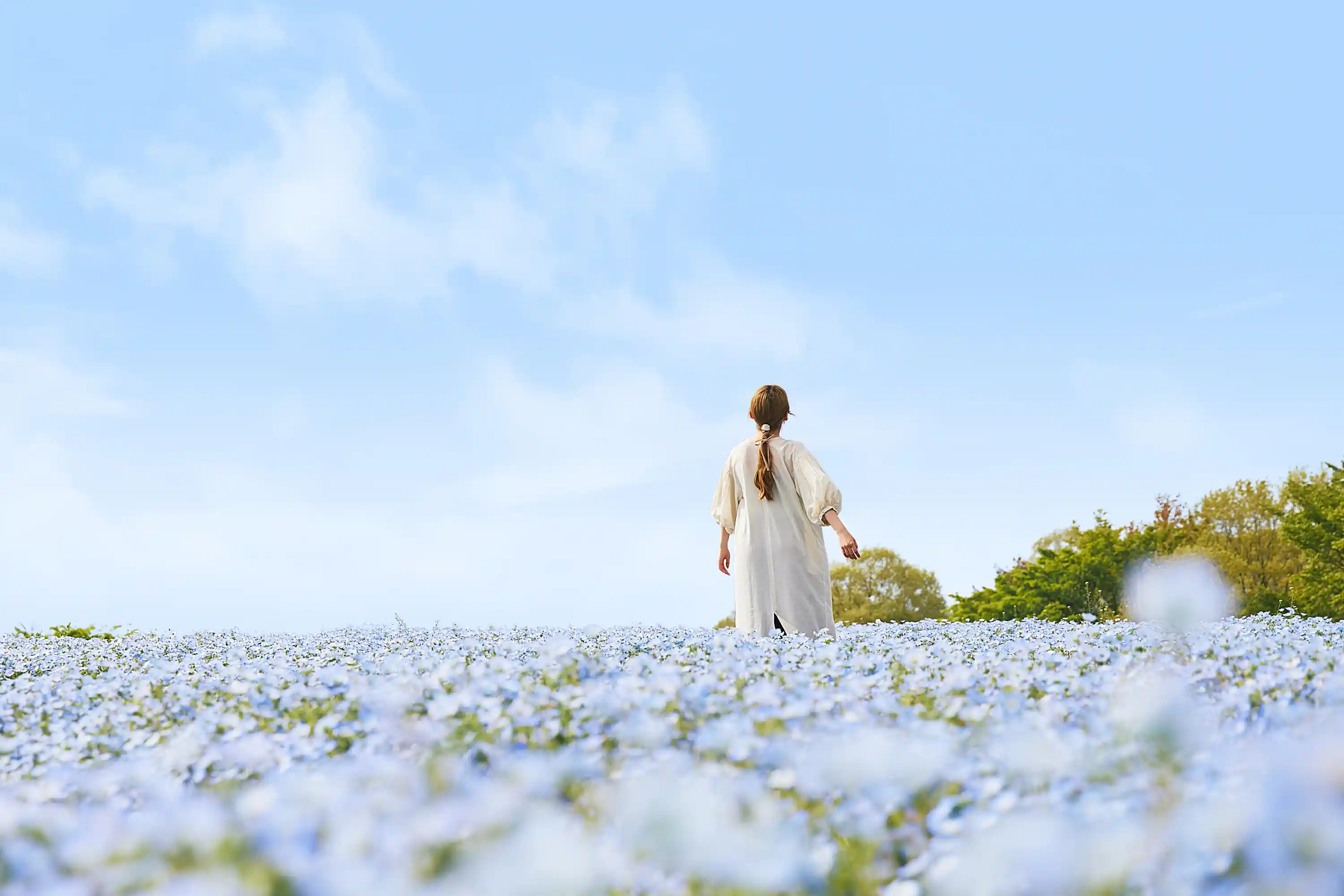
A trip to Sera, Hiroshima Prefecture to immerse yourself in a fantastical world.
I couldn't stop thinking about the beautiful, dream-like world from a movie I watched recently. Wanting to visit a fantastical place myself, I discovered Sera Kogen Farm on social media, where it looked like stepping inside a movie screen. I quickly invited a friend, checked the weather for the weekend, and booked a flight to Hiroshima.
Feeling like you've entered another world. Be mesmerized by a sea of flowers.
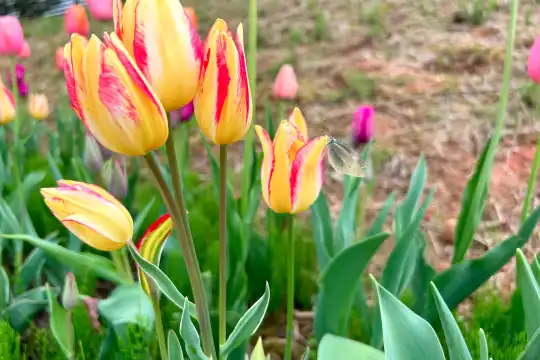
We arrived at Hiroshima Airport and drove to Sera-cho in Sera District. The scenic drive with the windows down was refreshing. After about an hour, we reached Sera Kogen Farm, where the tulips were in full bloom. Entering the park, we were deeply amazed by the tulip fields spreading before us!
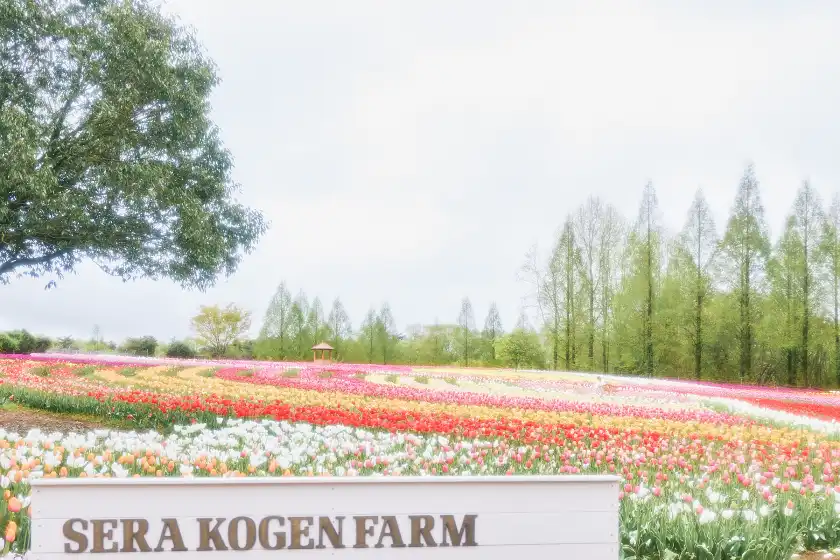
With 750,000 tulips, you can see 200 different varieties all at once.
As we were about to take photos, a staff member named Sakakibara told us, "You can step in the furrows to take pictures and get a closer look at the flowers. Our unique feature is that you can walk between the furrows and be surrounded by flowers from all sides, unlike the other farms where you can only look from the outside."
Walking and crouching between the furrows, we enjoyed the lovely scent of the tulips. Chatting saying, "This tulip color is so beautiful!" and "I prefer this one," we immersed ourselves in a fairy-tale world.
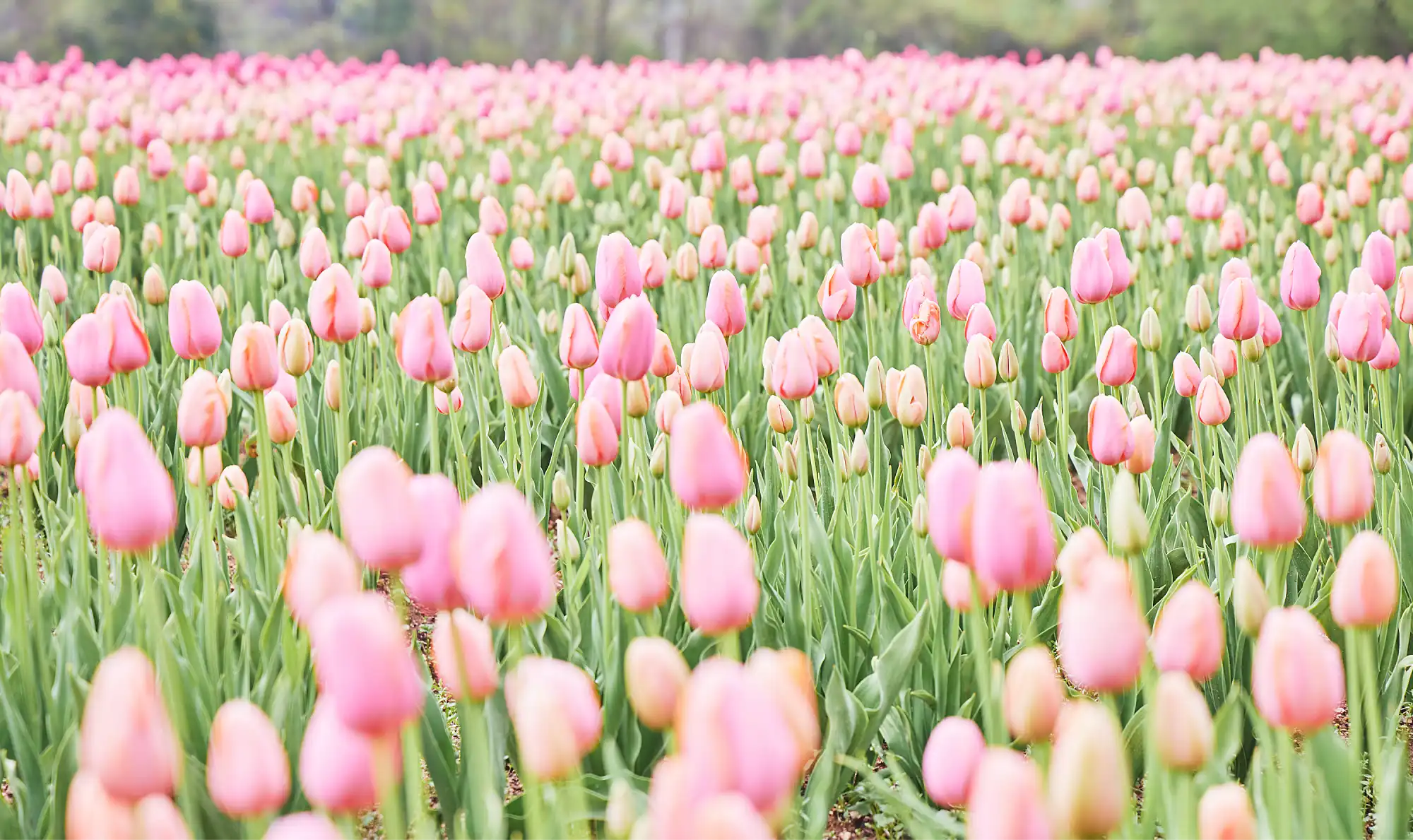
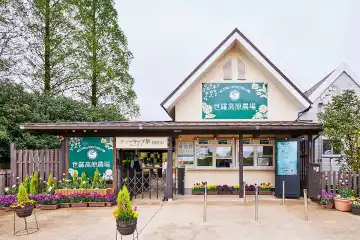
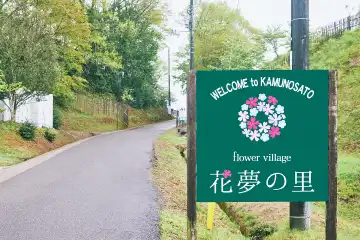
At Sera Kogen Farm, you can see cherry blossoms, tulips, sunflowers, dahlias, and garden mums. At Flower Village Kamu no Sato, you can see moss phlox, nemophila, hydrangea, heavenly blue, kochia, and cosmos. At Sora no Hanabatake Sera Kogen Hana no Mori, you can see English roses and perennials.
"You can see the flowers differently depending on the light. Morning is recommended, but tulips illuminated by the setting sun in the evening have a softer look and are very beautiful. Nemophila bloom more vibrantly during the day, making them more colorful than in the morning when the park opens," said Sakakibara.
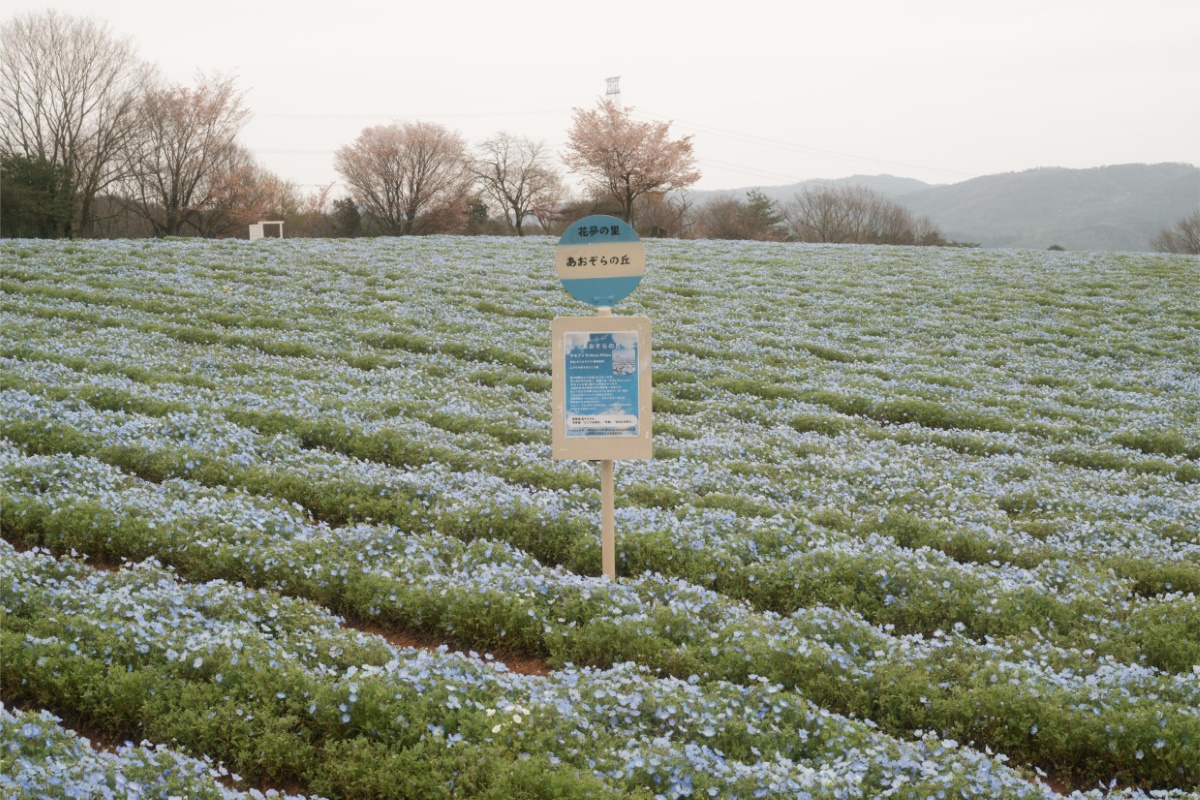
Although we planned to see nemophila the next morning, we decided, "If they're more beautiful during the day, let's go now!" and headed to Flower Village Kamu no Sato where nemophila bloomed.
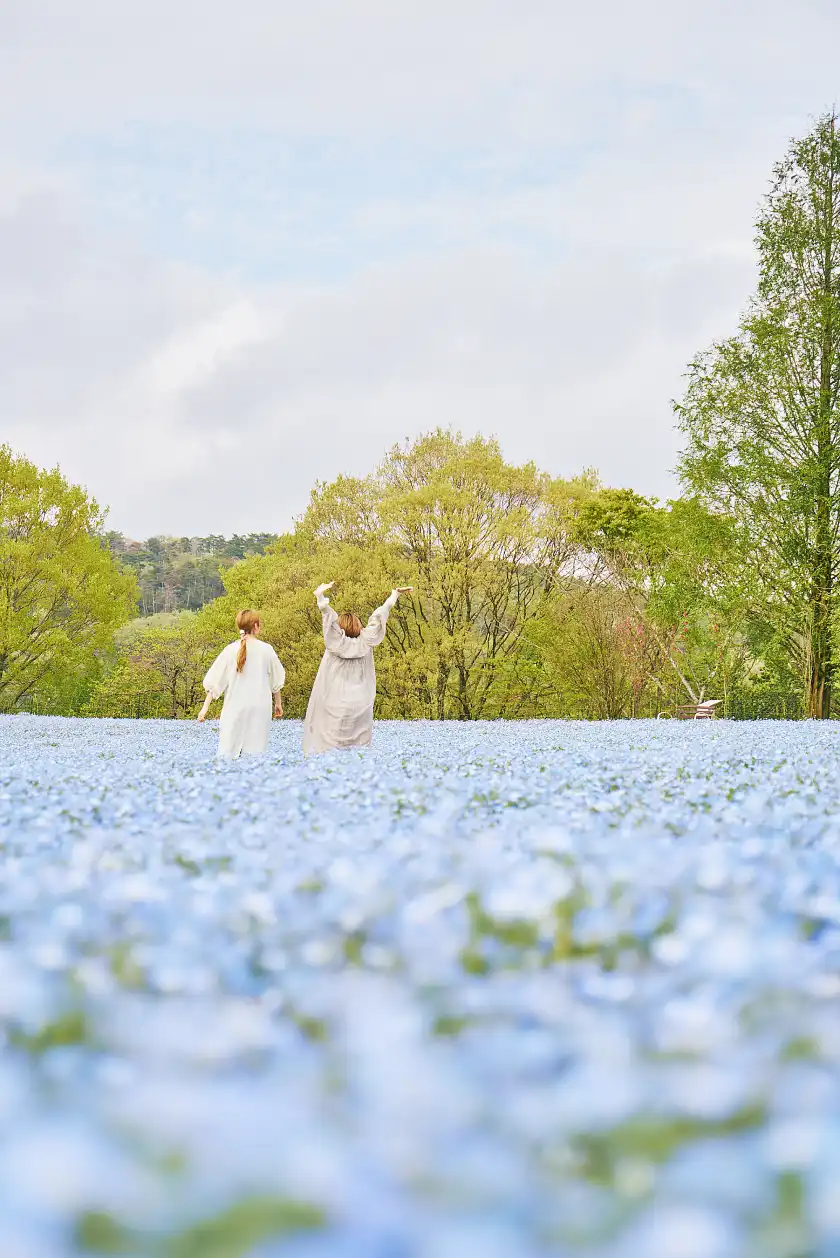
A sea of one million nemophila. When I looked closely, I found white and deep purple nemophila in addition to the blue, creating a beautiful gradation.
Stepping into the field, we were captivated by the breathtaking view of endless nemophila. We felt like we entered another world walking between the furrows and taking a deep breath in the middle of the flower field. Time also seemed to flow differently.
Sera-cho allows for a long period of various flowers throughout the year due to the large temperature differences between day and night compared to the coastal areas. "Let's come back in a different season next time," we said, continuing our enjoyable journey.
Savoring specialty tea from Sera in a charming temple lodging.
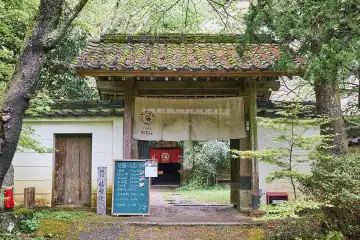
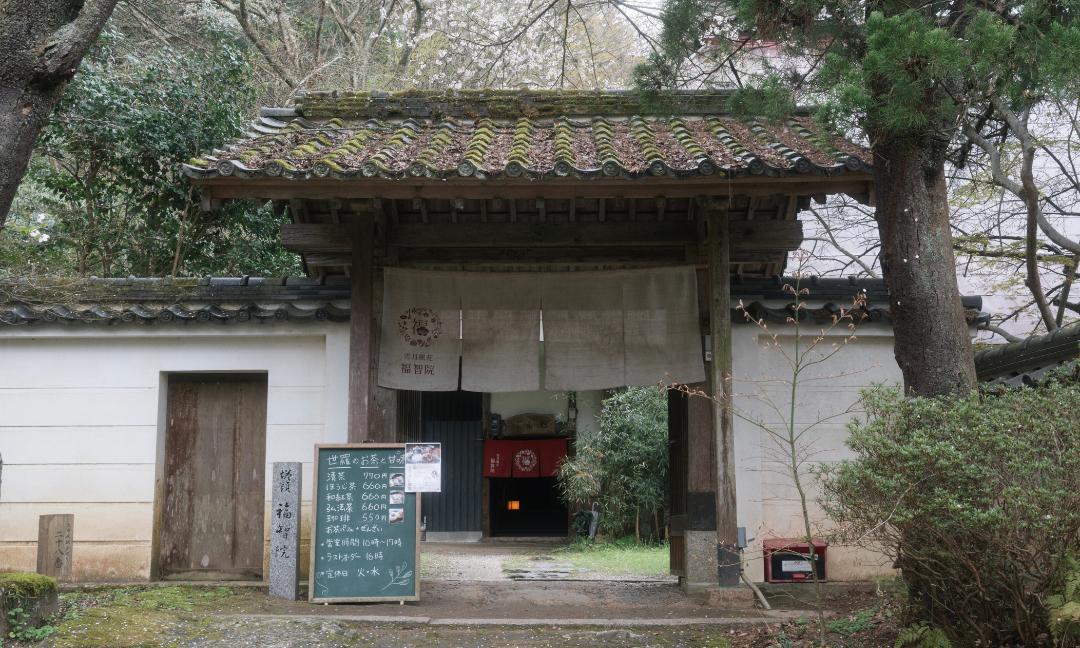
Driving towards the town, my friend found a Japanese tea café on the map. The café is said to be a 170-year-old restored temple lodge called "Setsugetsufuka Fukuchiin," located on the approach to Imakoyasan, a historic site designated by Hiroshima Prefecture.
Entering through the noren curtain, we felt the serene and subtle beauty of traditional Japan. The window seats were open and bright, with the lush greenery bringing a sense of calm.
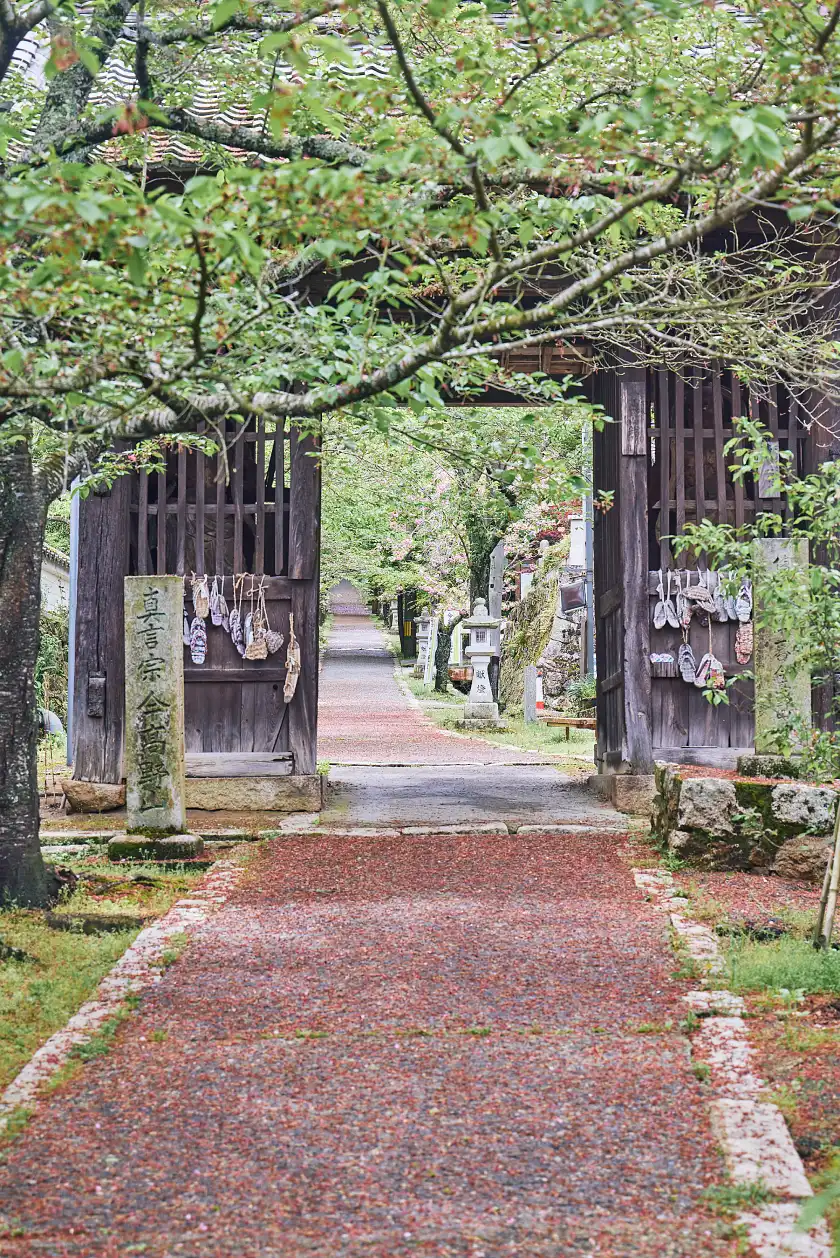
A café at the end of the approach to Imakouyasan offers a rare holy atmosphere.
As we had trouble deciding among a variety of teas, the owner, Yoshimune, recommended, "In spring, it's said that consuming bitter foods like wild vegetables awakens the body from its winter slumber, so I recommend the slightly astringent 'Seicha.'"
I was particularly interested in "Hiroshima Native Tea" from TEA FACTORY GEN, a tea farm. Although Sera was once famous for tea, many tea fields were abandoned due to diversified agriculture and a lack of successors. Despite such an environment, I felt compelled to support them, hearing that they produce tea without fertilizers or pesticides.
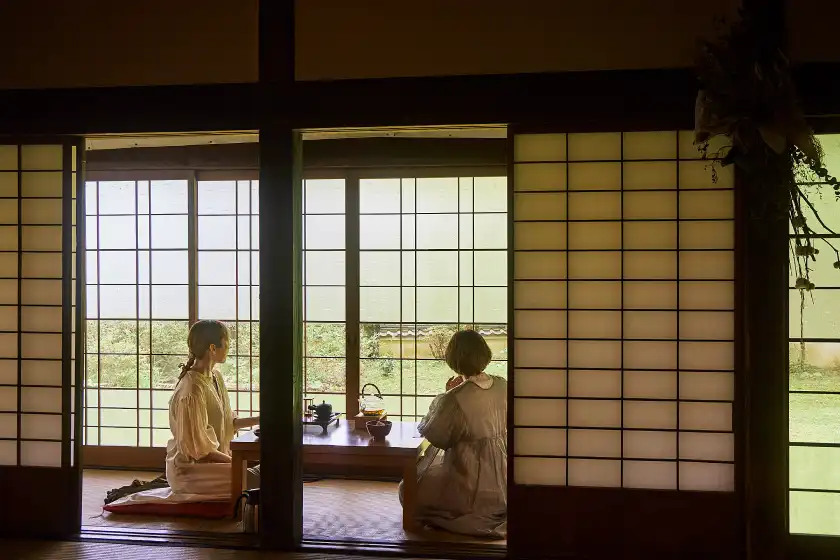
Imakouyasan offers different views throughout the seasons: cherry blossoms in spring, lush green in summer, colorful foliage in autumn, and snow in winter. Some people even visit specifically on snowy days.
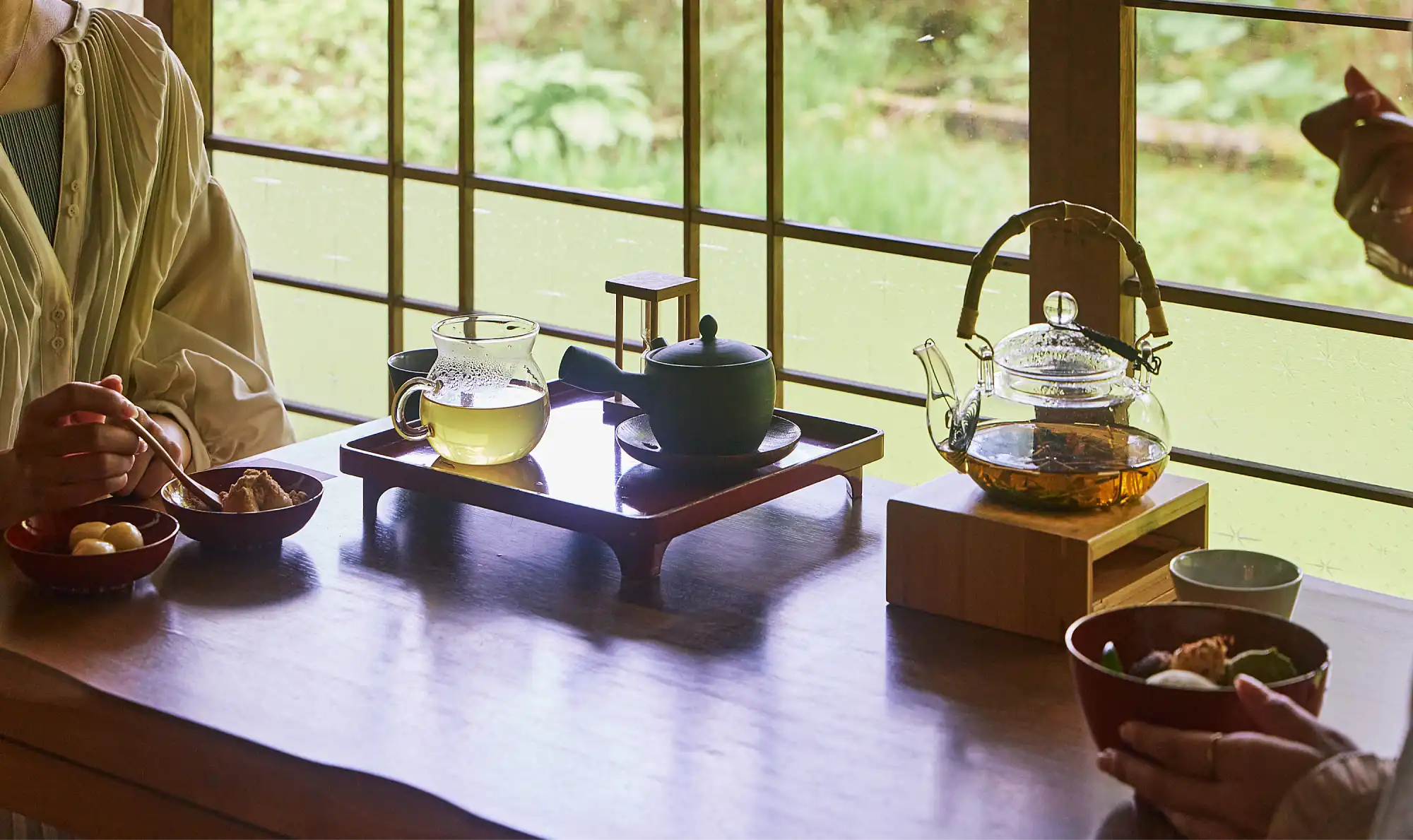
We ordered the "Tea Parfait" and "Two-colored Dumpling" for dessert, enjoying the luxurious time of pairing them with the tea.
Tasting and sharing the tea, we noticed, "The color and aroma are completely different!" It was the first time we had tea that made us want to savor it slowly, so we stayed longer than planned.
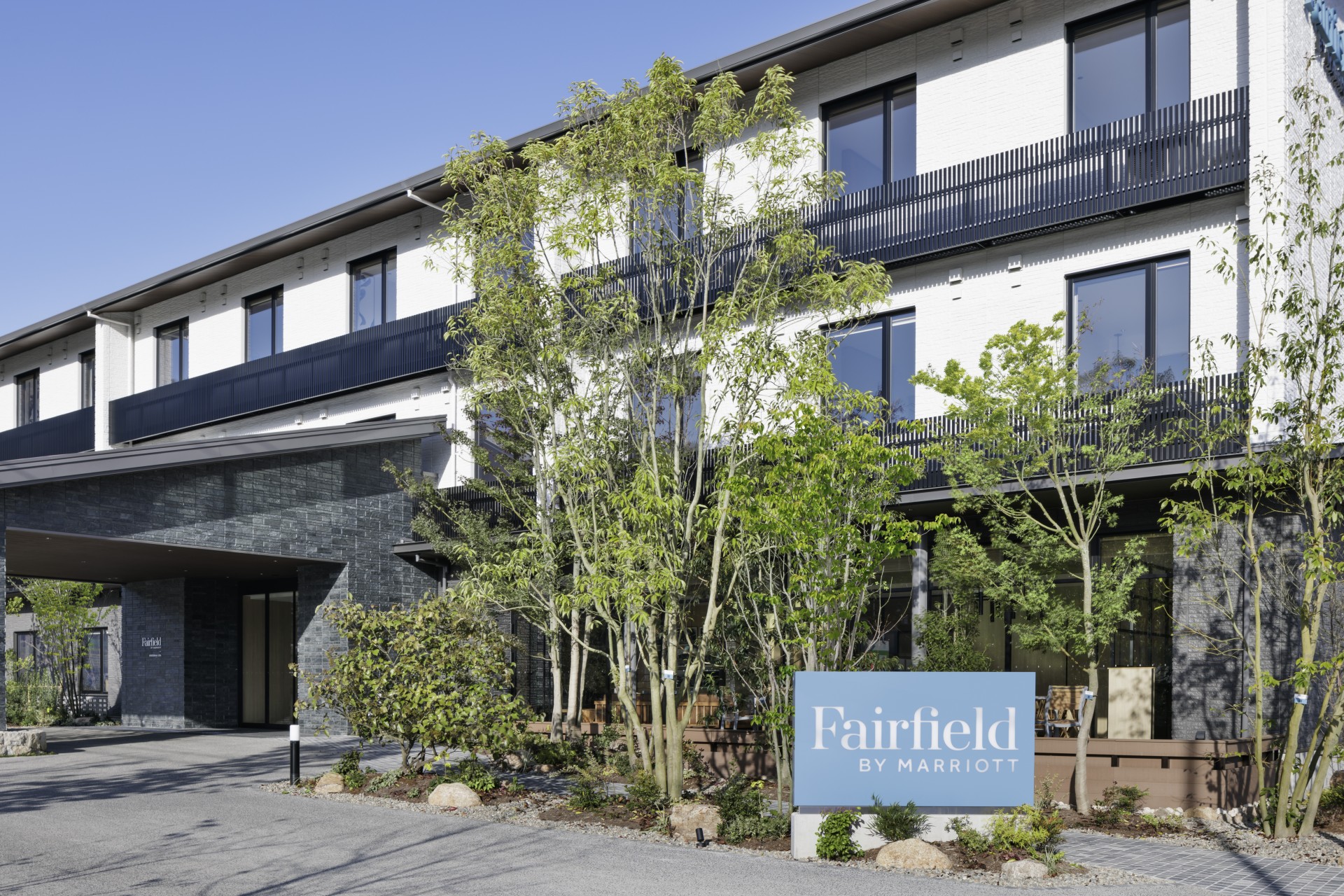
At night, we stayed at Fairfield by Marriott Hiroshima Sera. Reflecting on a day that felt like a journey through another world, from the fantastical flower fields to the serene Japanese tea café, we slowly drifted into dreams.
Feeling the mysterious power of the "Success Shrine"
The next day, my friend said curiously, "The front desk staff just told me about a spiritual spot, so let's go!" We decided to visit Daijoryu Shrine, known as the "Success Shrine."
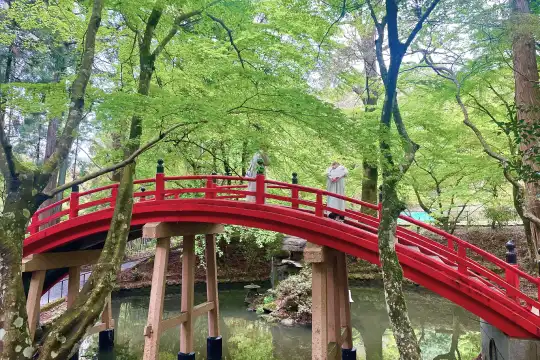
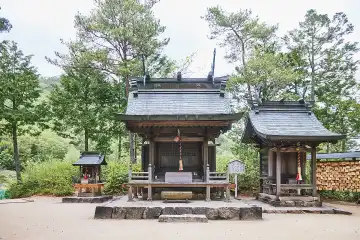
Getting out of the car and passing through the Torii gate, we felt the mystical atmosphere. As we were saying, "This seems like a place that would bring good fortune," Kimura, a shrine parishioner, greeted us hello.
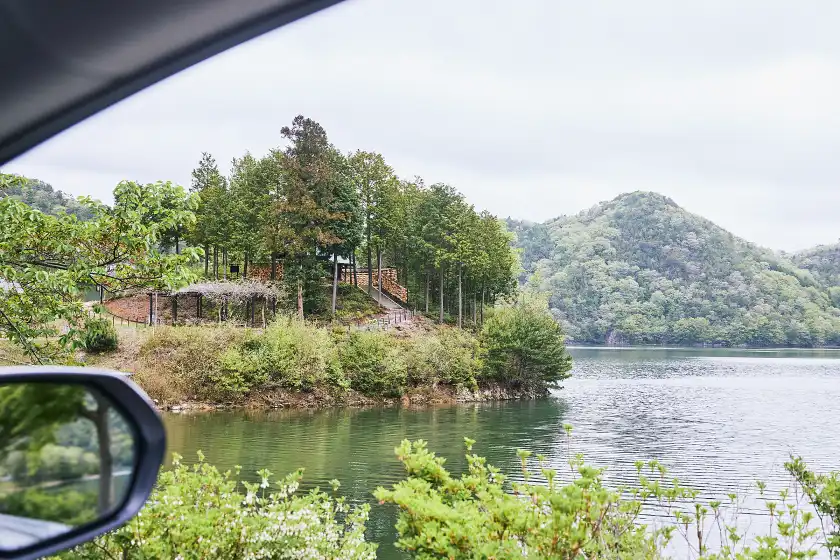
Once, there was a small shrine called "Dairyu Shrine" at this Shinnou Lake, and, it was rebuilt as "Daijoryu Shrine" due to dam construction 60 years ago. We felt its power even from afar.
Kimura explained that this shrine is believed to house the "God of Success" because Kotaka Otsuma, who founded Otsuma Women's University, was born here (before the dam construction). Many lawyers and company presidents have also come from this region.
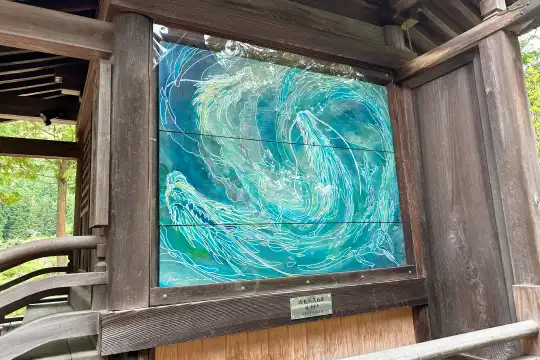
"Dragons are said to be associated with water, and someone once said this Shinnou Lake looks like a dragon from above. The shrine is located at what would be the dragon's stomach, which might be why it's considered a spiritual spot," he said.
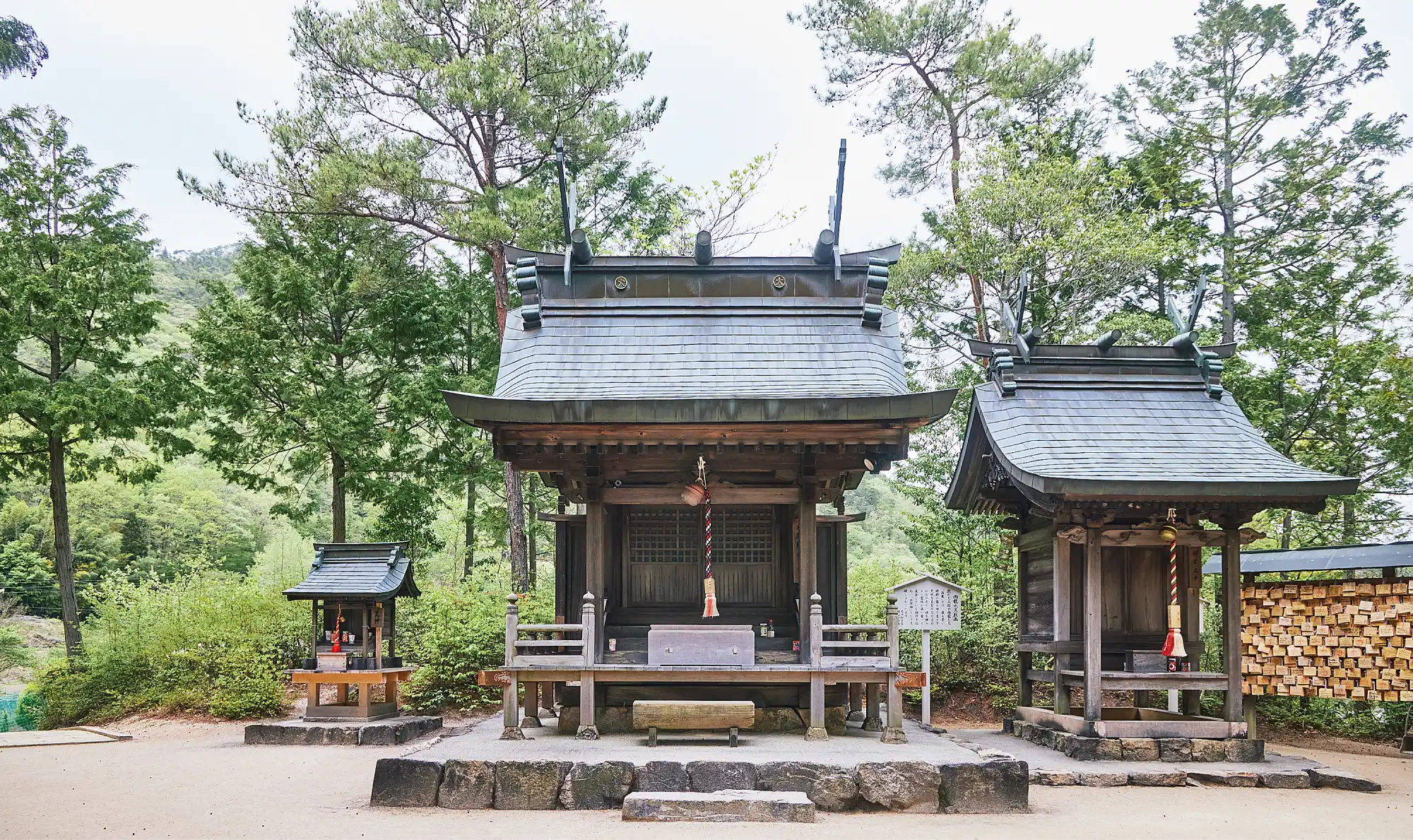
The clean and well-swept grounds are maintained by visitors who voluntarily clean the shrine. "This shrine is protected, thanks to everyone," he added.
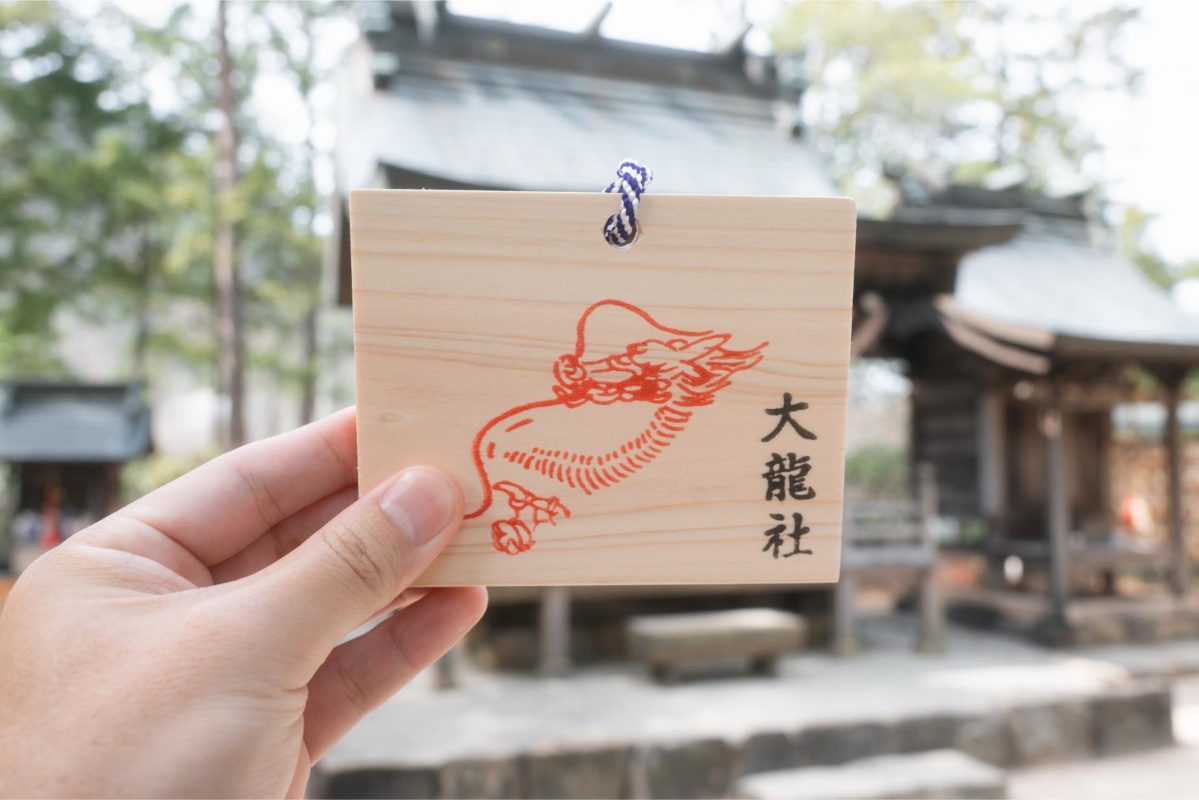
Last year alone, there were about 13,000 ema. An estimated 50,000 people visited the shrine, including people returning to say their thanks. "The effects seem immediate, with many people returning to give thanks. Some have even returned to give thanks after their wishes were granted on their way back home," he said.
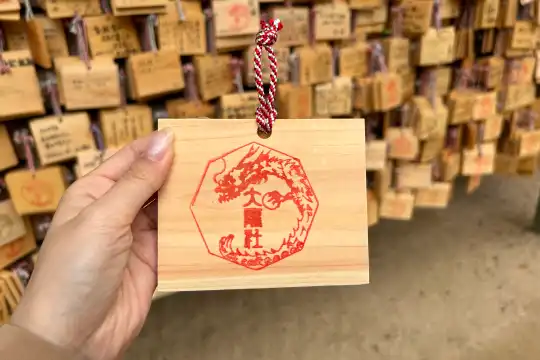
Feeling the power of Daijoryu Shrine, we each wrote our wishes on an ema and hung it with hope.
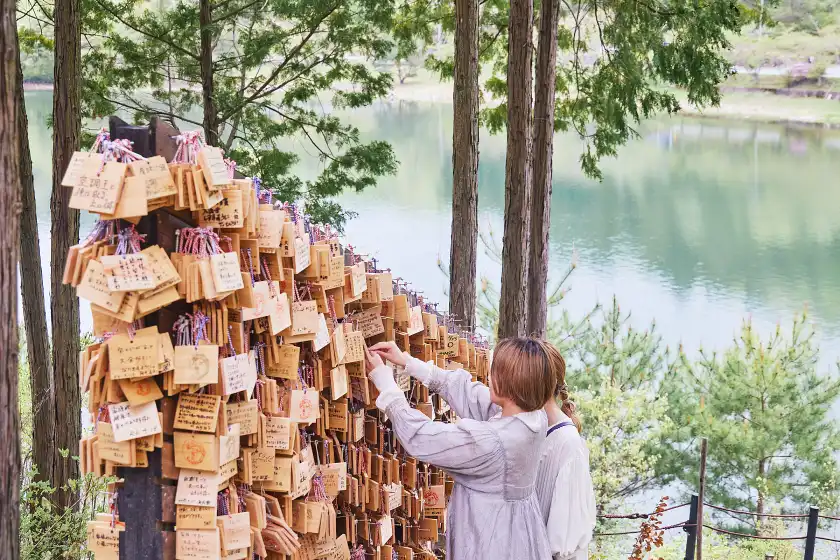
The Japanese cypress ema (votive wooden tablet), each handmade by the parishioners, were lined up. There is a dragon stamped on the back of the ema, with the stamp made by Kimura, who enjoys painting.
Drawn by the enchanting scenery, we visited Sera-cho. Sightseeing was fun, but talking with the locals added a new dimension to our enjoyment, deepening our connection to the place over two days. "When we revisit the shrine to give thanks, we can enjoy Sera in a different season," "Maybe our wishes will come true by tomorrow?" we laughed, feeling fortunate to have found a BASE that we want to visit again and again at different milestones in life.
Travel Snap
Introduction to this Spot
Experience available based in Sera, Hiroshima
Hotels where you can enjoy this trip...
Per Night Per Room from ¥15,730