

Exploring the tea culture of Minamiyamashiro and the history of Iga
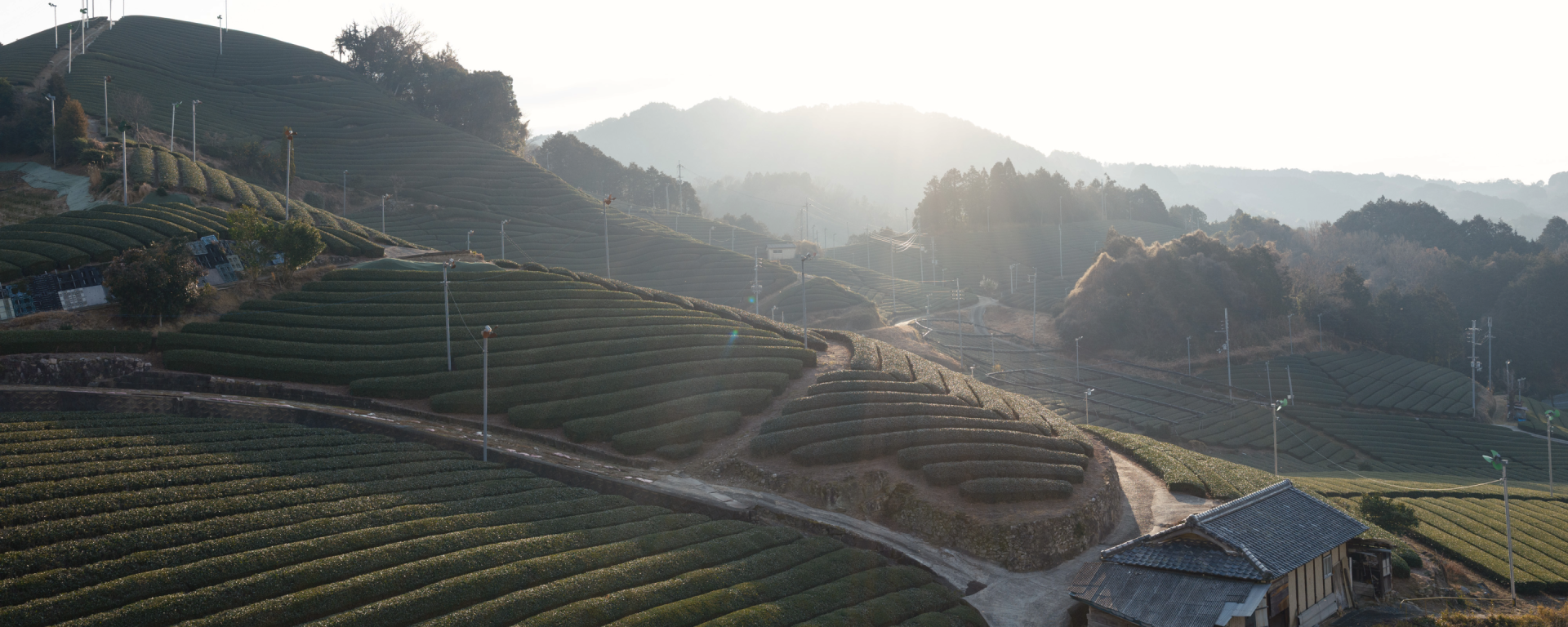
The only village in Kyoto Prefecture is Minamiyamashiro, famous for its production of Uji matcha. You’ve planned a trip to this rustic mountain village dotted with beautiful tea fields to learn about the unique tea culture of the region and savor local flavors. You’ve paired this with a visit to the historic city of Iga, where you’re looking forward to walking streets that retain the atmosphere of a castle town and visiting the white keep of Iga Ueno Castle. Hopefully, this two-day trip will prove to be a great choice for immersing yourself in Japan’s traditional landscapes and culture.
Kyoto’s premier tea-growing region
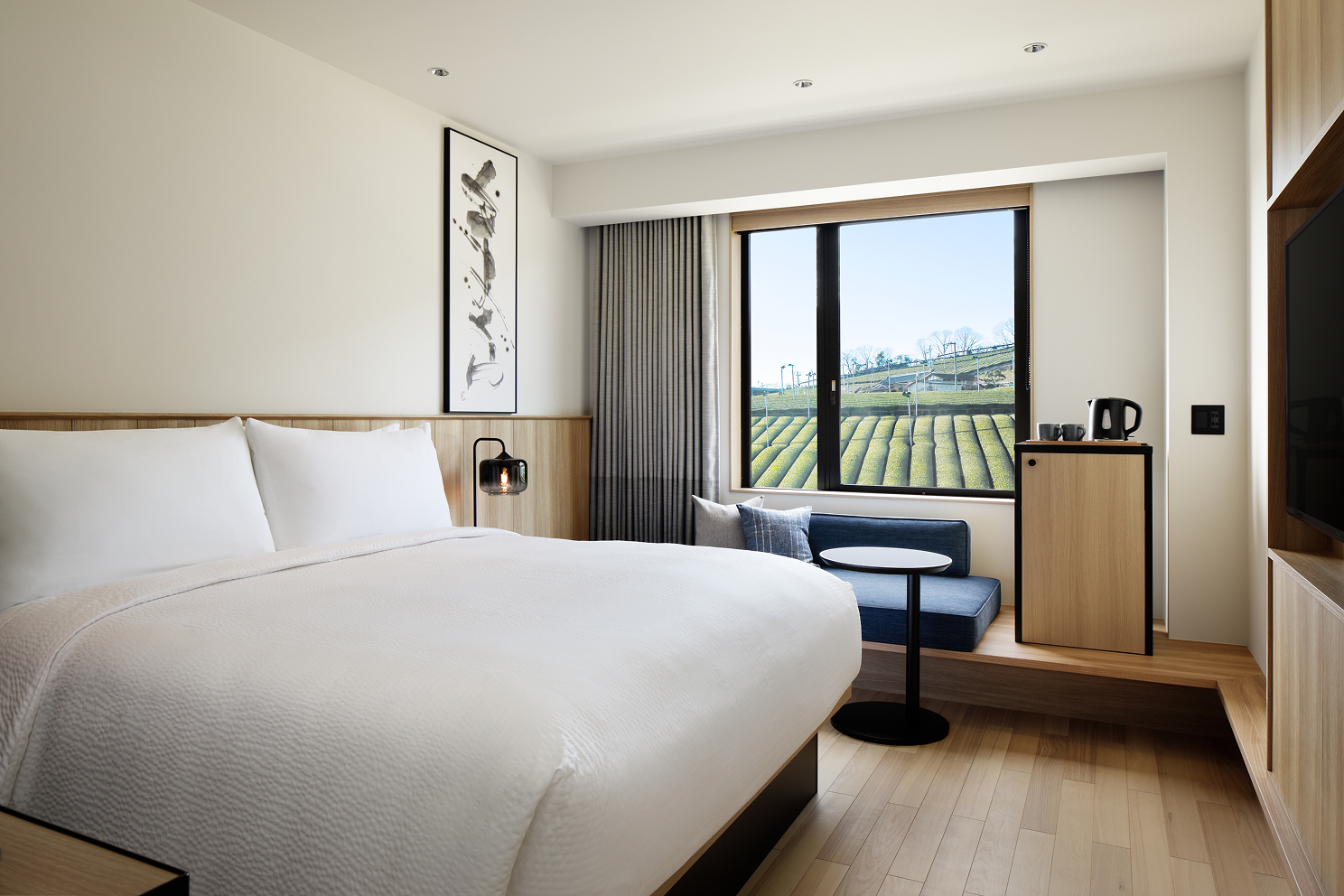
"Fairfield by Marriott Kyoto Minamiyamashiro," adjacent to the roadside station "Ocha no Kyoto Minamiyamashiro-mura," is nestled within the scenery of vast green tea fields.
8:00 Shin-Osaka Train Station
9:00 Ishidera Tea Plantation
10:00 Mim
11:00 Troppical
12:00 Koiji Bridge
13:00 Lunch at Missy’s Bakery
13:45 Michi-no-Eki Ocha no Kyoto Minamiyamashiro
16:00 Fairfield by Marriott Kyoto Minamiyamashiro
Day 1 Total Travel Distance 82.5km
Day 1 Total Travel Time About 2 hours 25 minutes
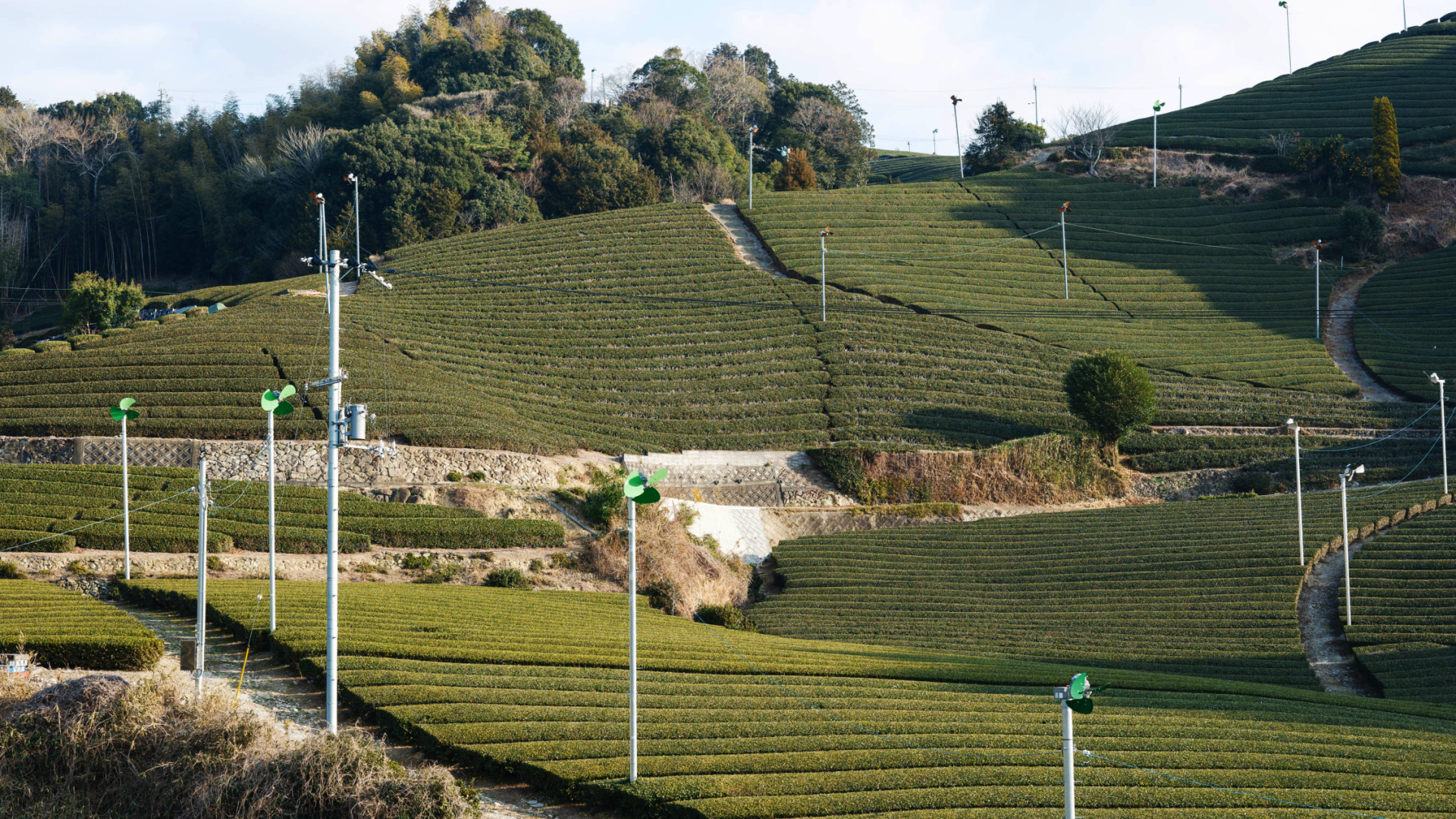
You’ve decided to begin your journey at the Ishidera Tea Plantation, a popular destination on the way to Minamiyamashiro. The tea fields spreading out across the hills have sustained Kyoto’s tea culture for generations. With many nearby shops offering tea-inspired food and drinks, where better to enjoy a day dedicated to tea?
***

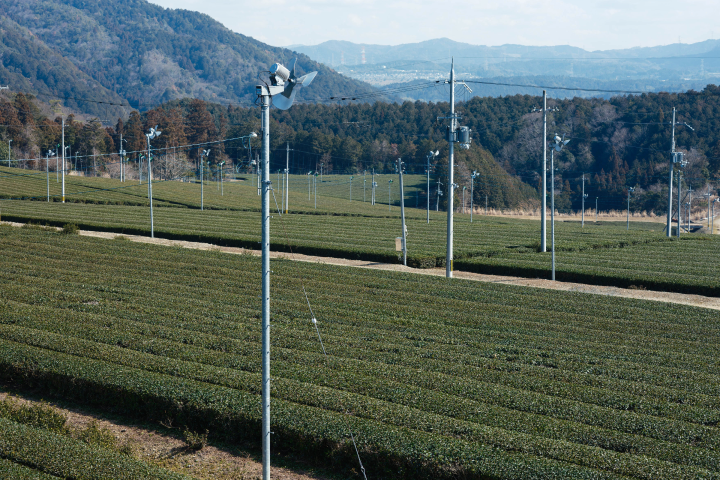
Once you leave behind the hustle and bustle of the city and venture into the mountains, you find yourself surrounded by vast fields of tea.
Ishidera Tea Plantation: The home of Uji tea
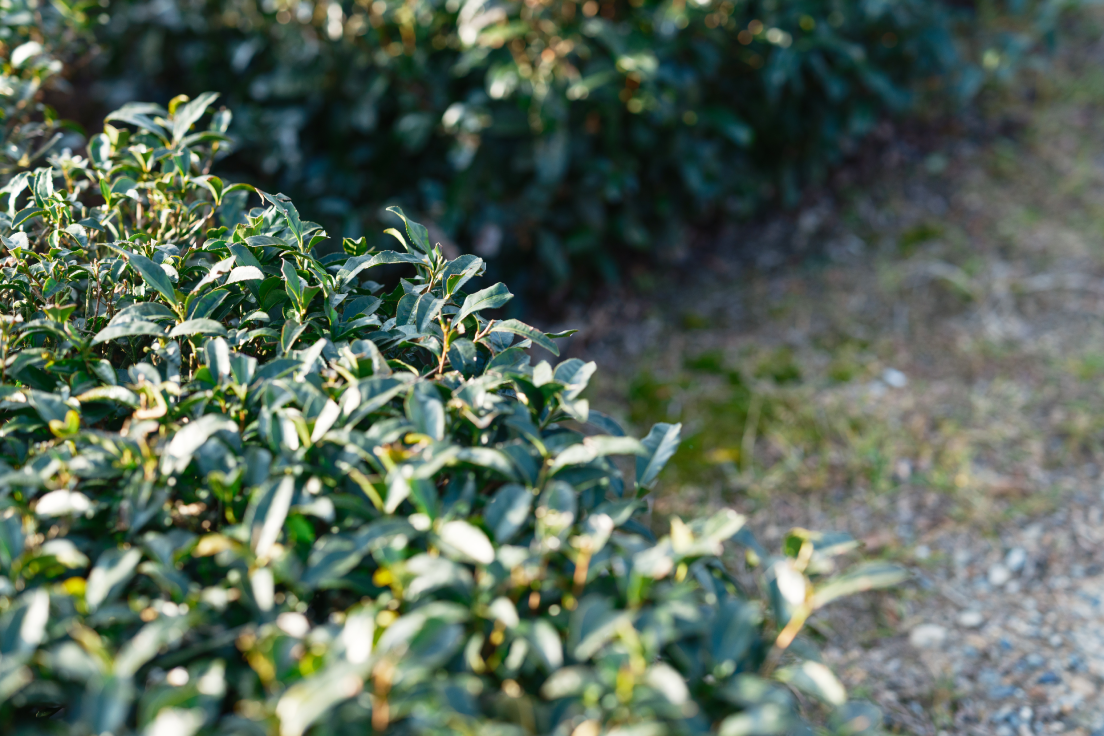
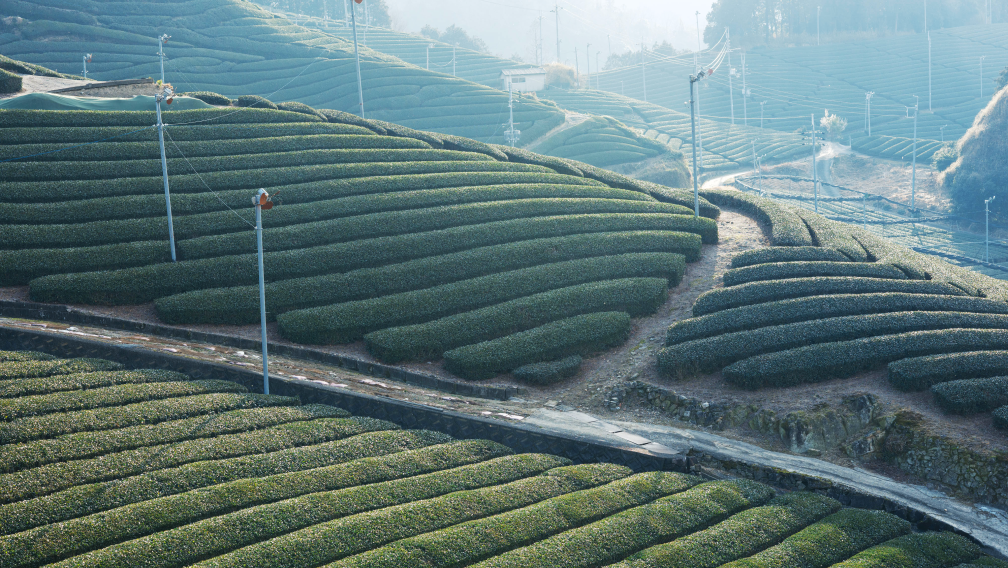
Rows of tea plants covering the hillside in geometric patterns
You arrive at the Ishidera Tea Plantation in the town of Wazuka. Rows upon rows of tea plants stretch across the mountain slopes, creating beautiful geometric patterns out of their green lines. The leaves shine in the morning sun, making the scene even more striking.
The Uji region has a reputation for producing the finest tea in Japan. Leaves grown in four prefectures—Kyoto, Nara, Shiga, and Mie—are processed by Kyoto-based producers through methods developed here in Uji. The variety produced in this region is prized for its rich flavor and sweetness.
You are struck by the thought that this is the cradle for a refreshment so ubiquitous in Japanese life. You have a feeling that visiting tea country will help you develop a greater appreciation for the beverage. The plants arrayed before you will one day be harvested to become Uji tea, which will find its way to dining rooms everywhere and enrich countless lives with its wholesome goodness.
Mim: A small utopia tucked away in the forest
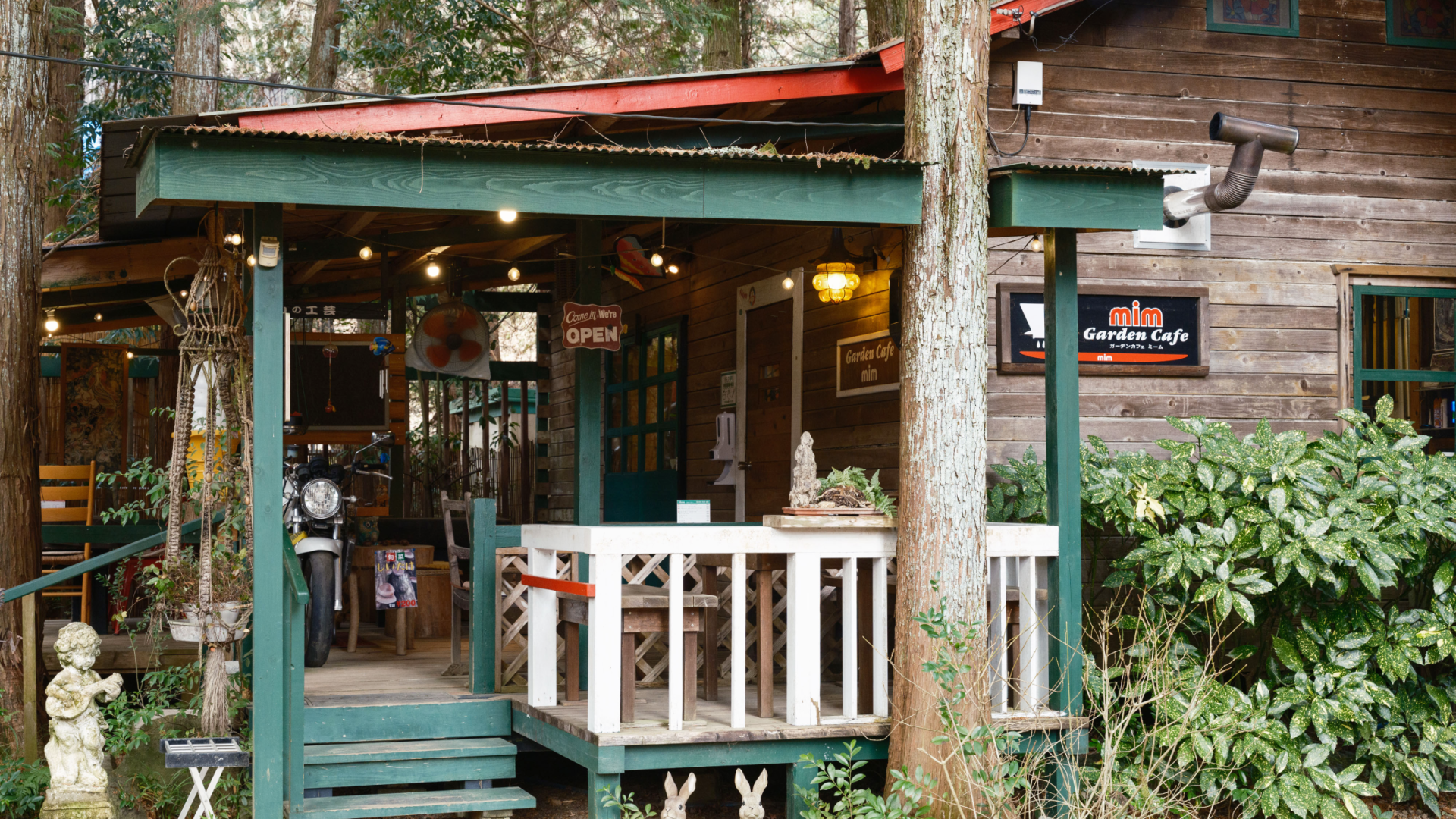
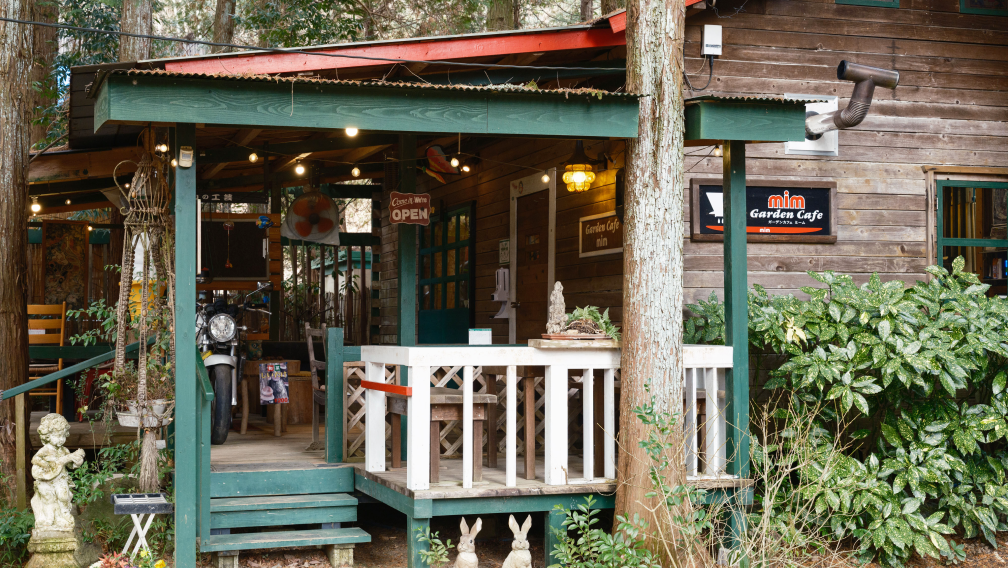
Mim comes into view like a hidden cabin deep inside a forest. You can tell that every detail of the café’s décor and furnishings has been meticulously chosen. In addition to the dining area, the property features a separate building boasting an event stage, a shop selling various goods, and even a chicken coop. It feels like you’ve stumbled upon nothing less than a small utopia, a world completely different from the tea fields you were just admiring.
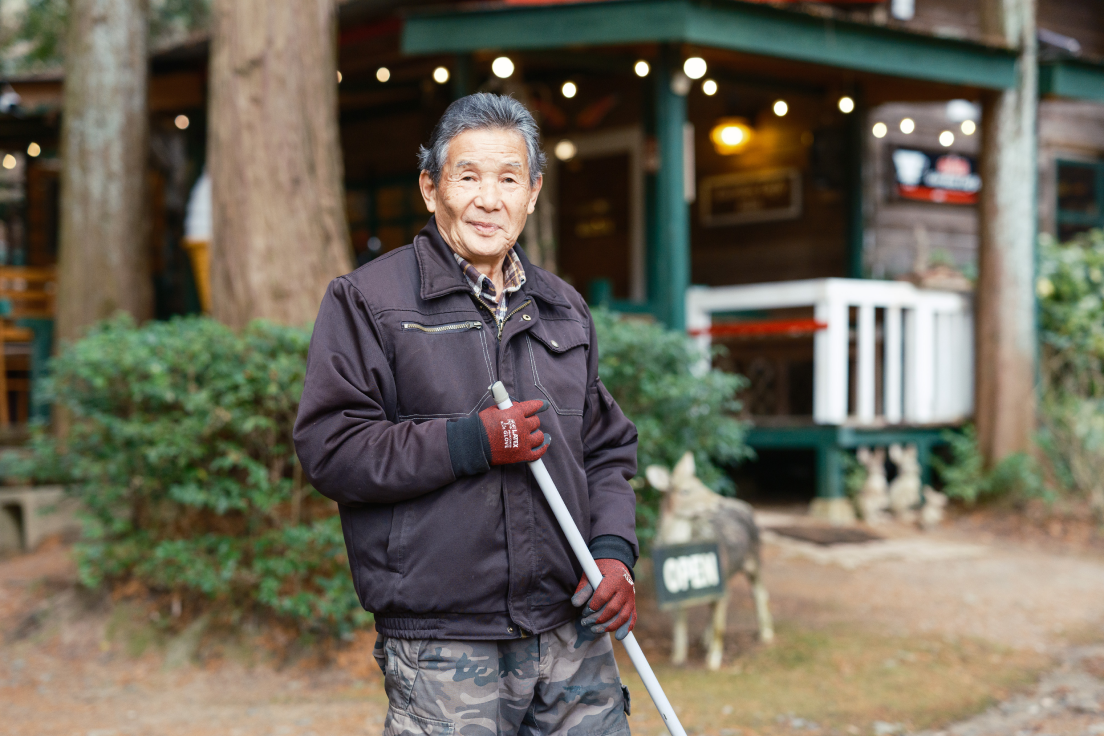
The owner, Masayuki Miyanishi, moves nimbly around the premises as he prepares for the day—you’d never guess he was 87 years old! He laughs with boundless energy as he tells you he’s about to meet some friends to plan a new restaurant. As if summoned by his words, his friends start arriving, filling the wooden space with cheerful conversation.
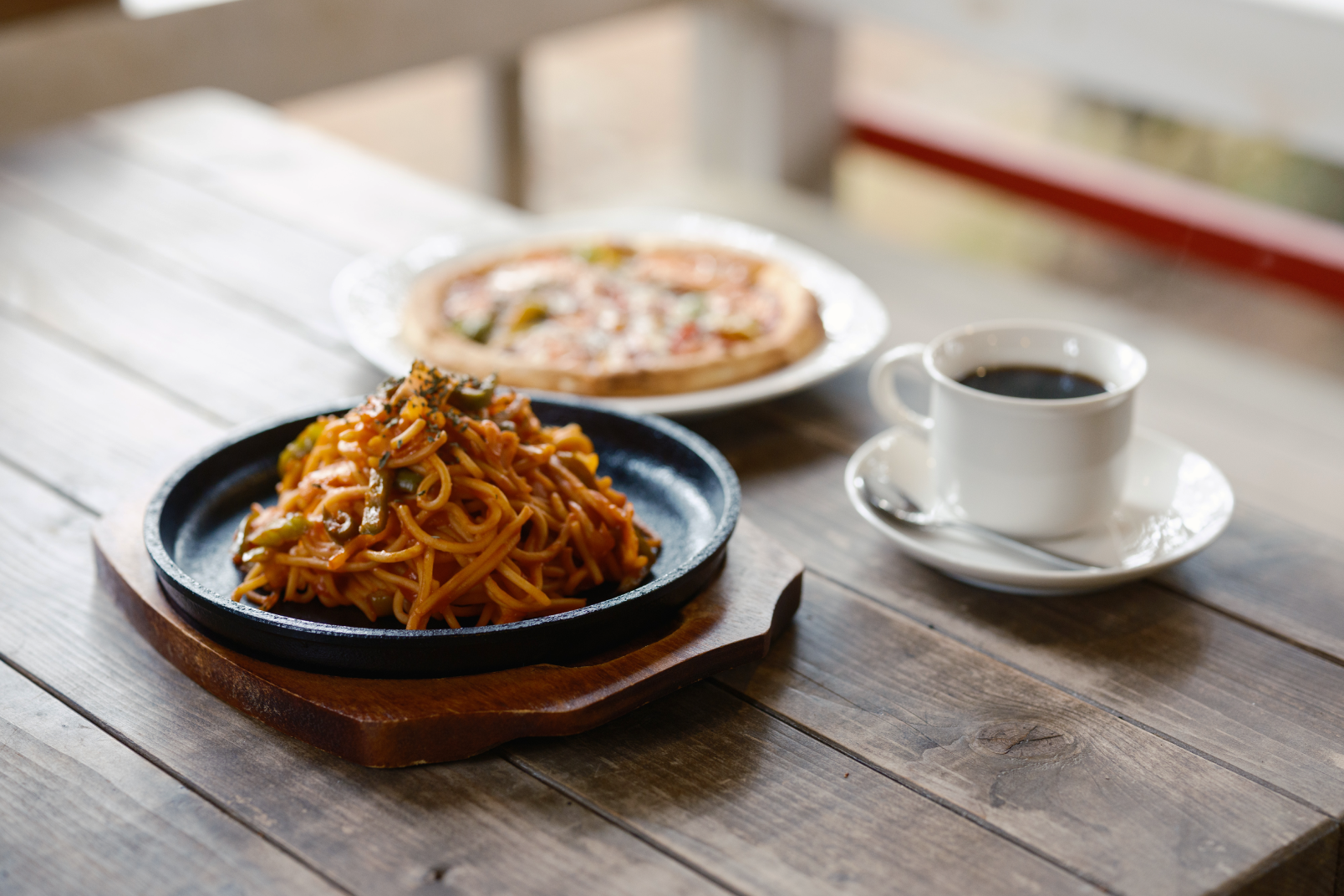
Leaving them to their meeting, you look out at the forest scenery as you dig into the mixed pizza and Neapolitan pizza you ordered. Both have a homemade flavor, simple and heartwarming, that further lightens your mood.
Troppical: Enveloped in the aroma of tea
A vessel of light and fragrance
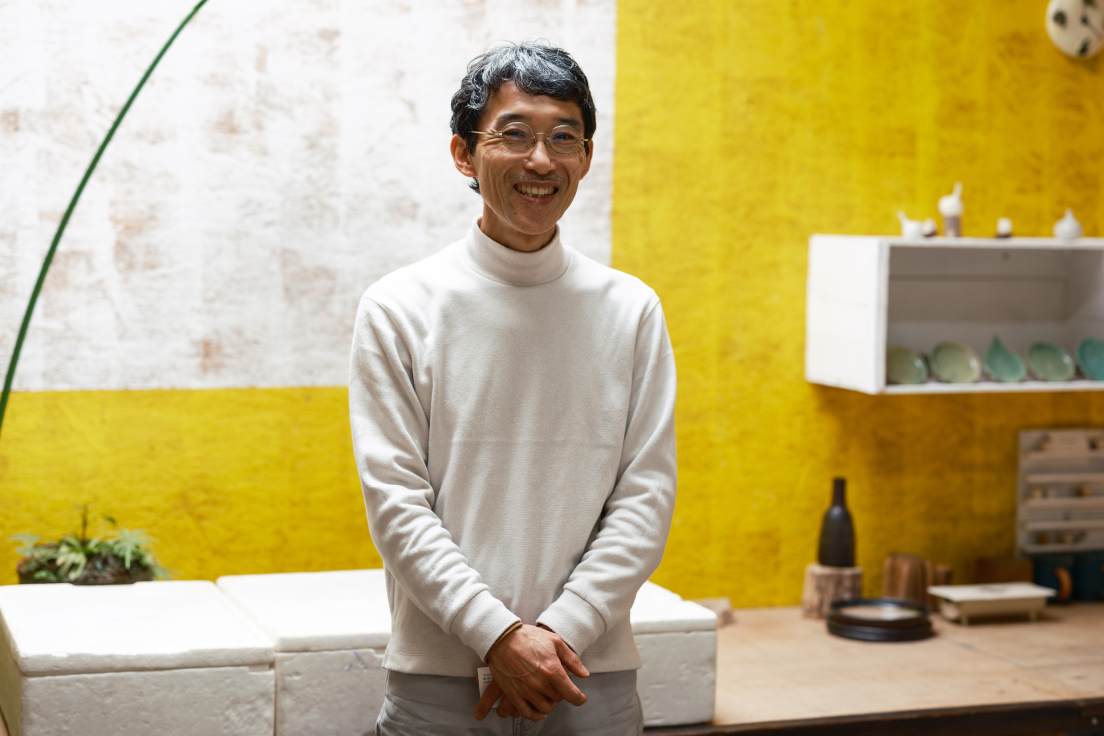
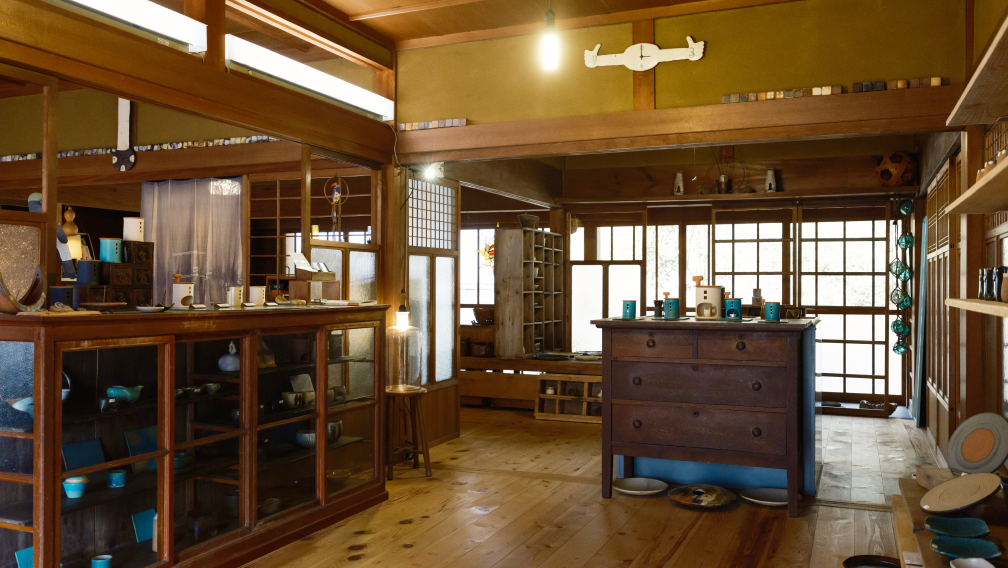
Your next destination is Pottery & Tea Troppical, a Minamiyamashiro pottery studio and shop perched atop a hill beyond a street lined with traditional houses. The ceramicist, Takeshi Fujita, welcomes you warmly to his studio, where he both sells his handmade pottery and holds pottery workshops for students.
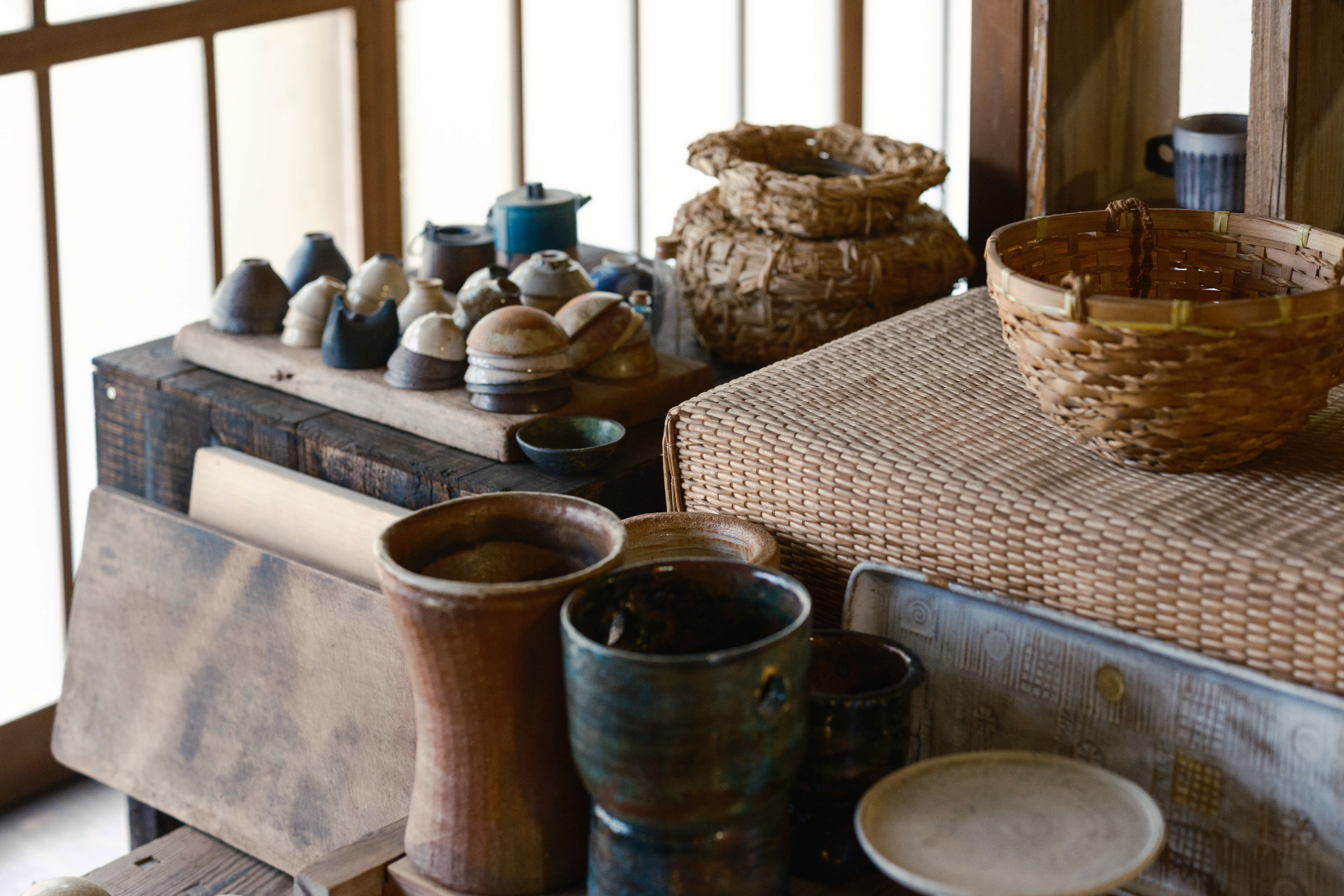
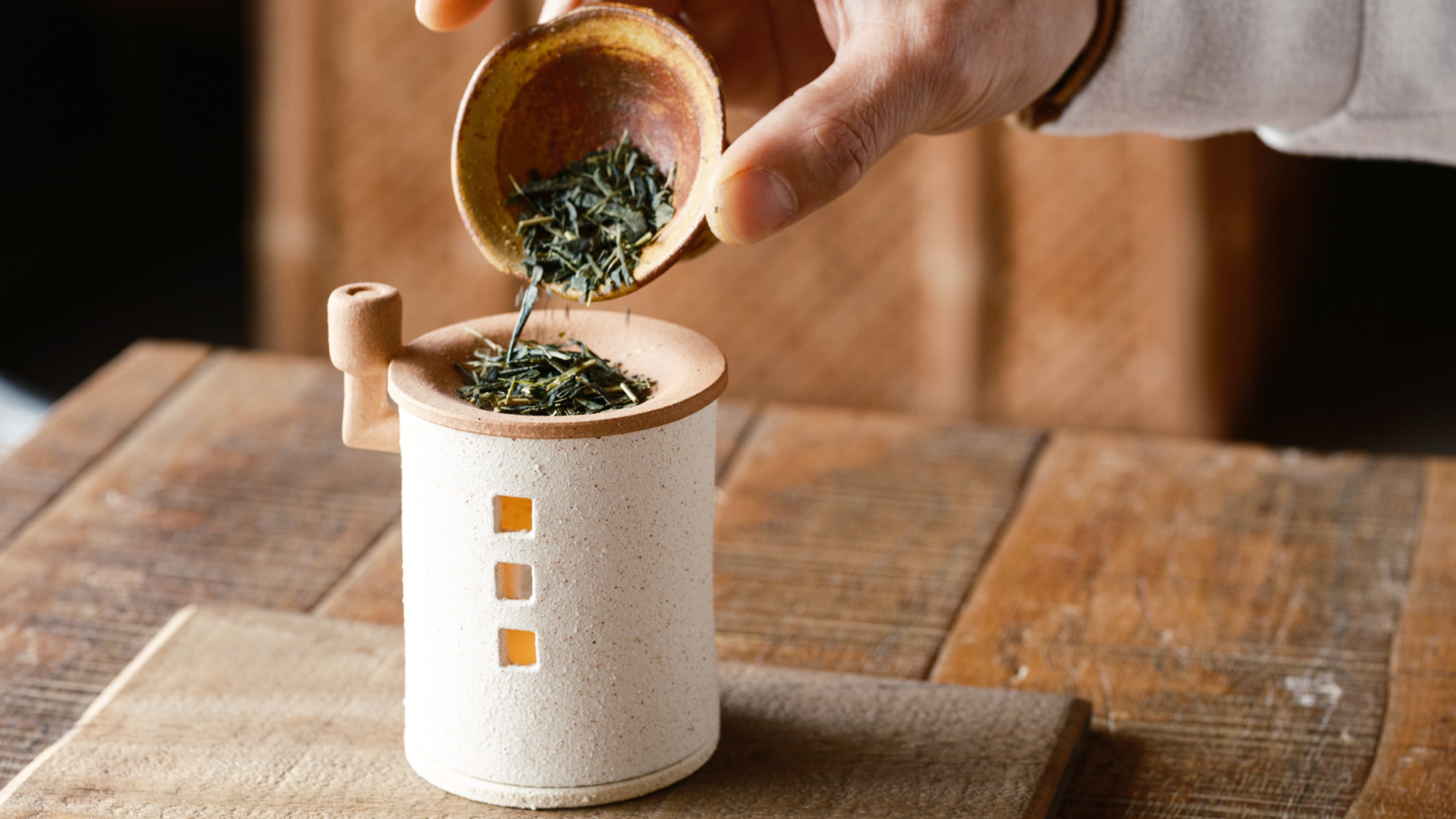
It took six years of trial and error for Takeshi to develop his popular chakoro (“tea incense burner”), a piece that reflects Minamiyamashiro’s reputation for tea. A lit candle is placed inside the house-shaped vessel, on top of which sits a shallow bowl containing cured tea leaves. The candle warmly lights the room, while the heated leaves diffuse a delicate and faintly sweet fragrance. It is a joy to discover how the scent changes depending on the type of tea.
Since Takeshi serves every customer himself, the shop operates by appointment only. The scent diffusing from the chakoro complements the antique furnishings decorating the interior and the many ceramic works that reflect the owner’s gentle personality. The harmonious space feels just like a sophisticated art museum.
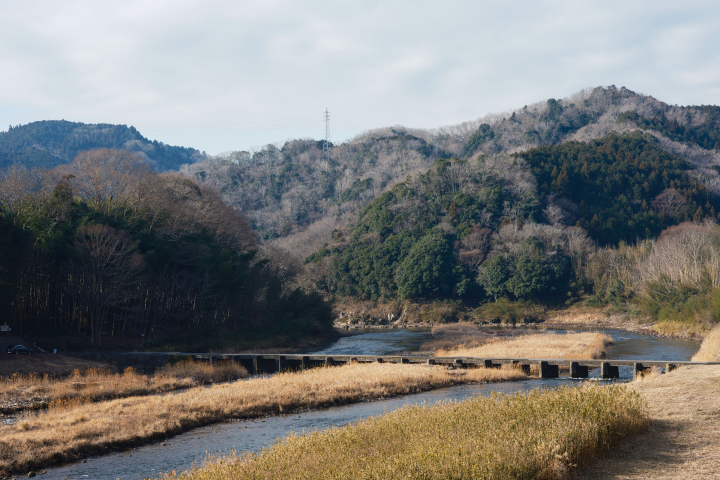
As you drive along the Kizu River, the low-water crossing at Koiji Bridge catches your eye.
Missy’s Bakery: Soft, fragrant bread in an offbeat setting
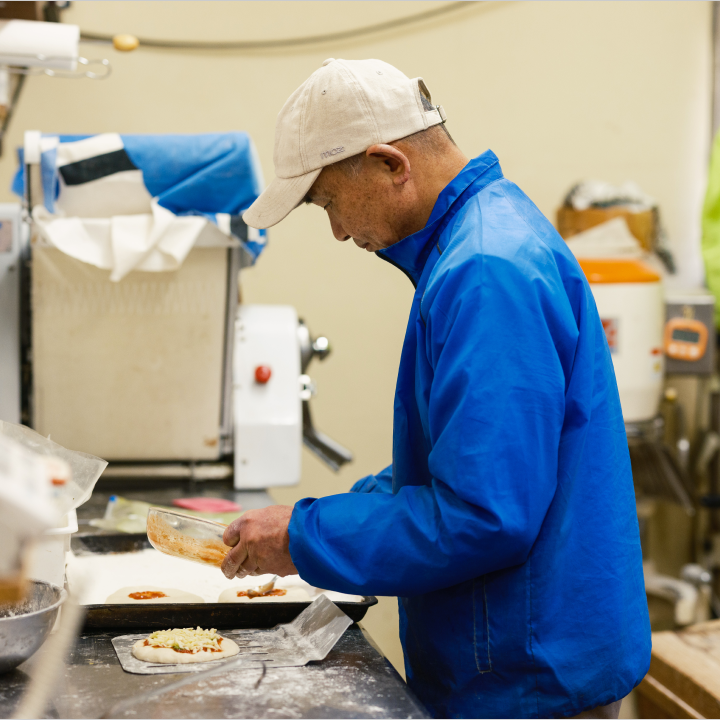
A small bakery run by a Minamiyamashiro local
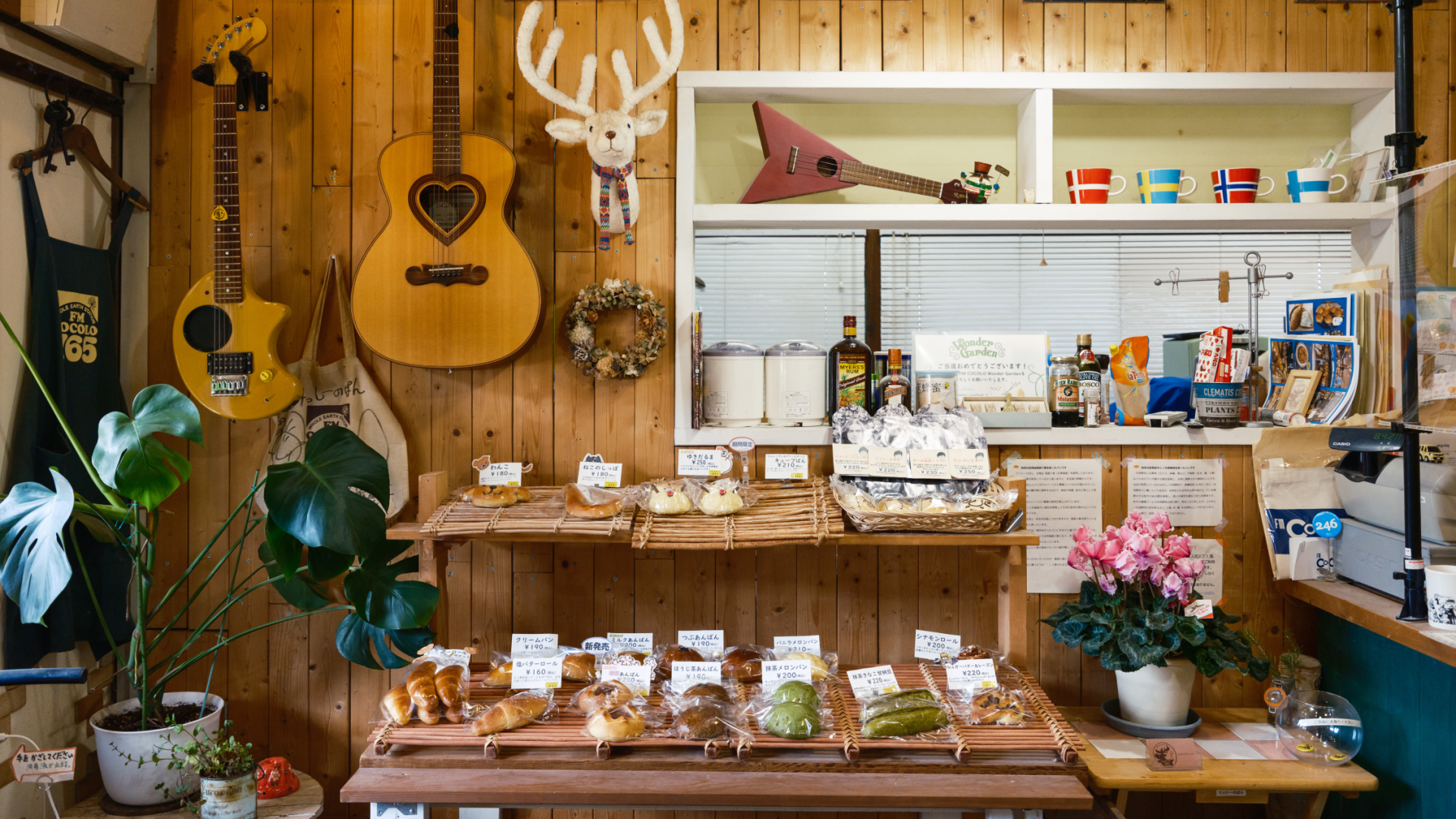
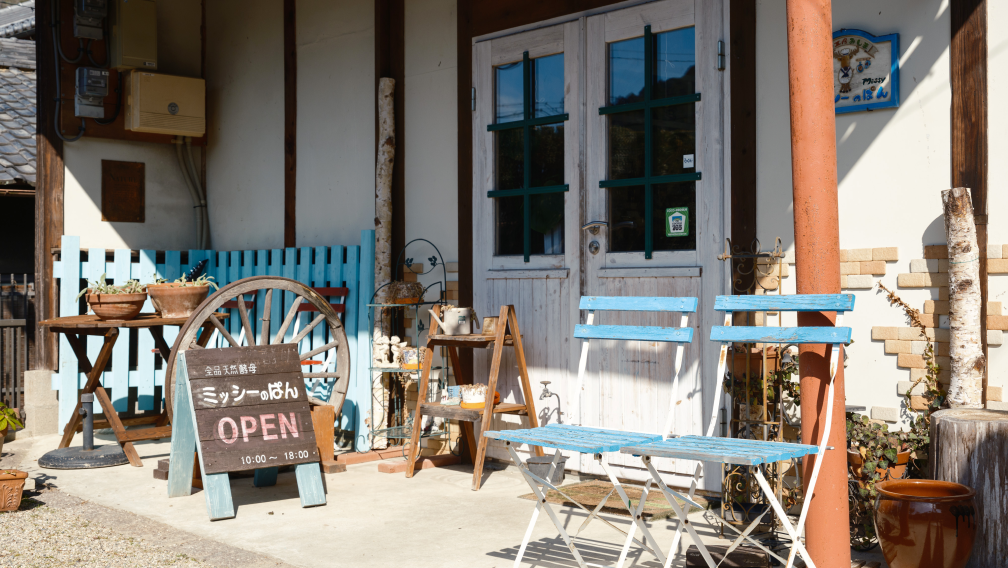
From National Route 163, the main road through Minamiyamashiro, you turn onto Prefectural Route 82, where you find Missy’s Bakery. The owner, Satoru Mishima, was born and raised in Minamiyamashiro. He opened the bakery after his hobby of breadmaking grew into a passion.
The bakery is decorated with records by the Beatles and other artists, giving it an exotic charm that feels almost out of place in this old-fashioned village. You buy the matcha melon pan sweet bun—you’re in tea country, after all—and a freshly baked margherita pizza before sitting down in the eat-in area to relax and savor the aroma of freshly baked bread.
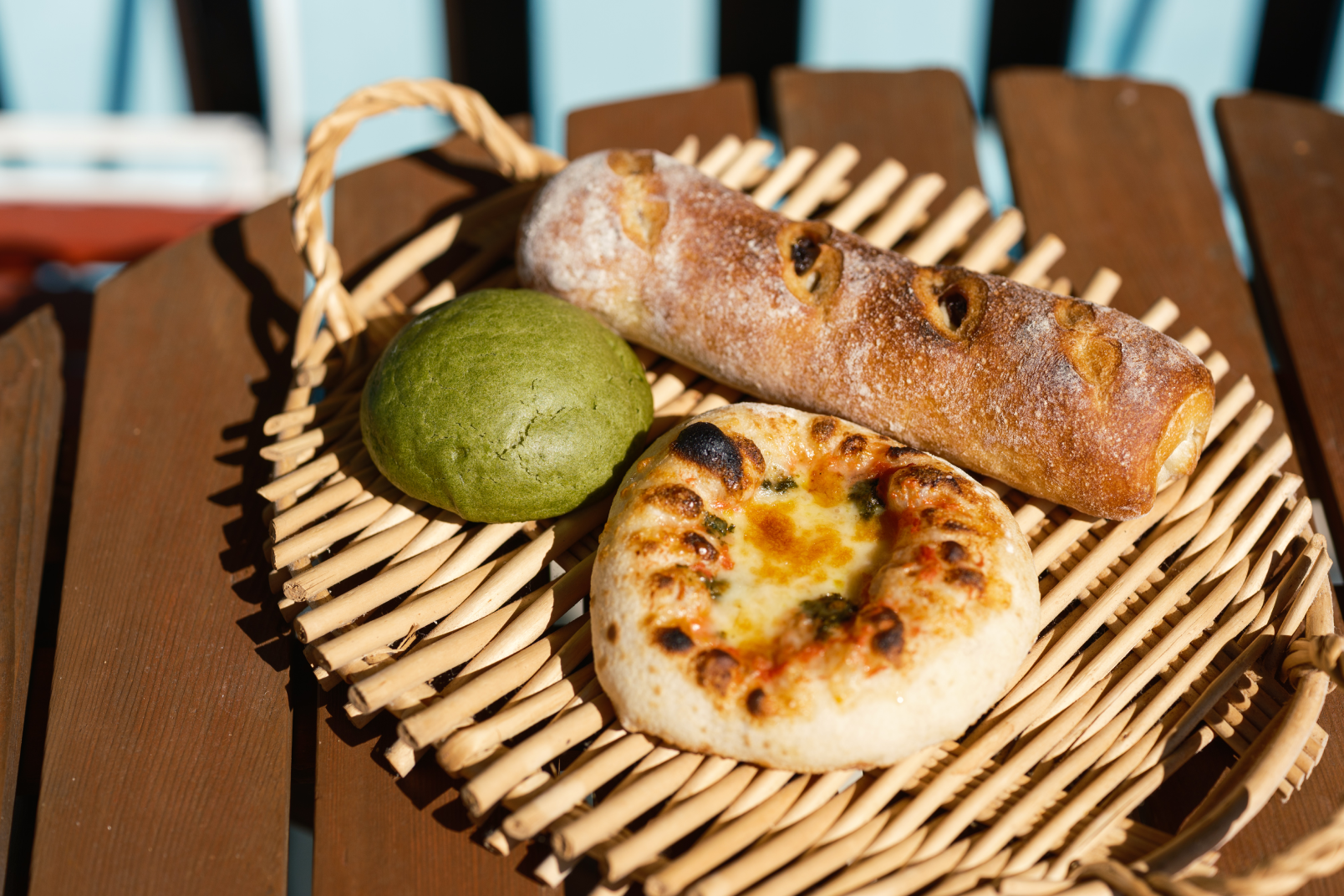
The pizza is made to order, each one painstakingly baked by Satoru in a small oven. The chewy dough pairs nicely with the cheese, bringing a smile to your face. The flavor is as tender and warm as Satoru himself.
As you drive along the Kizu River, the low-water crossing at Koiji Bridge catches your eye.
Michi-no-Eki Ocha no Kyoto Minamiyamashiro: Souvenirs from the “village of tea”
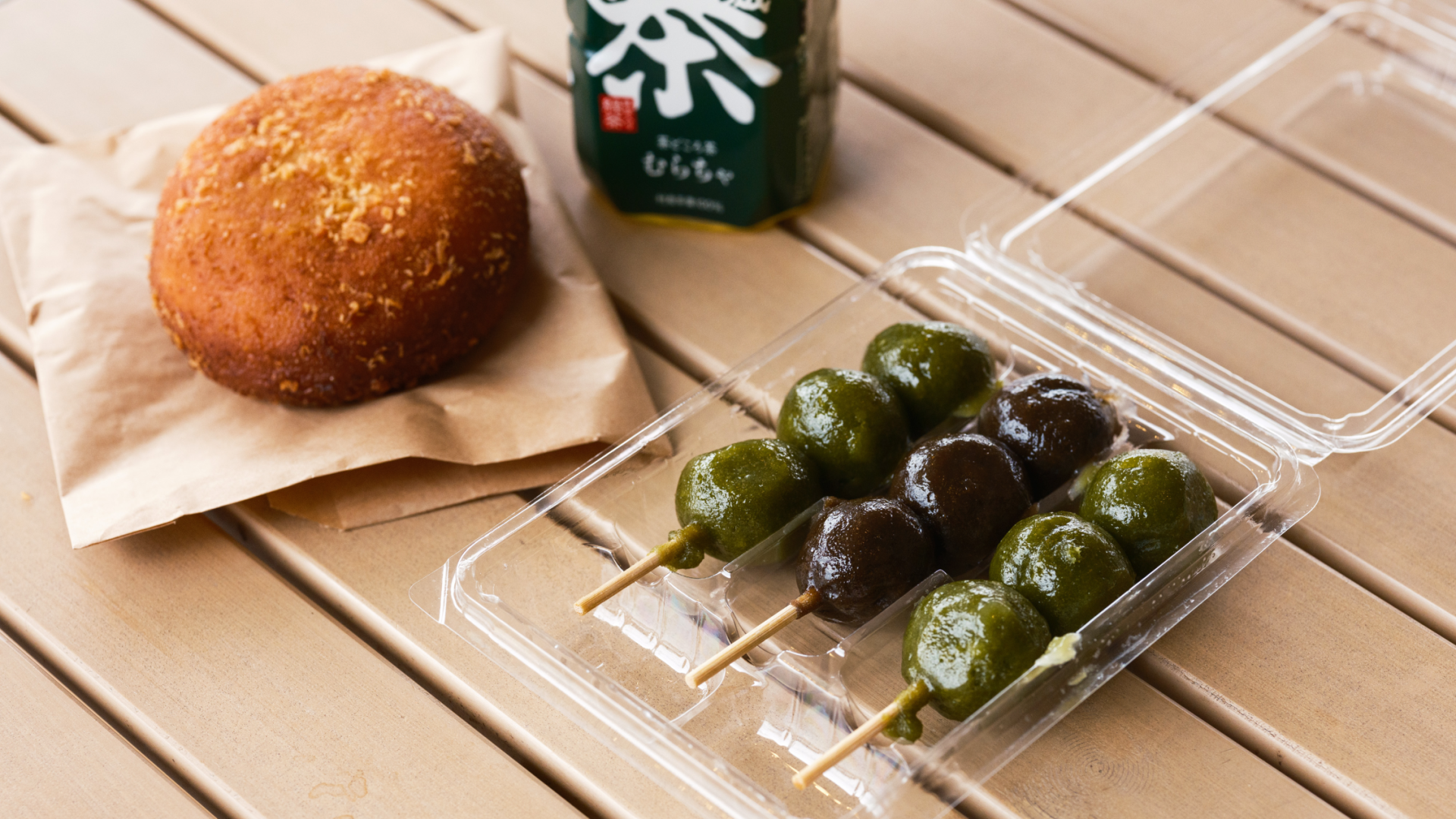
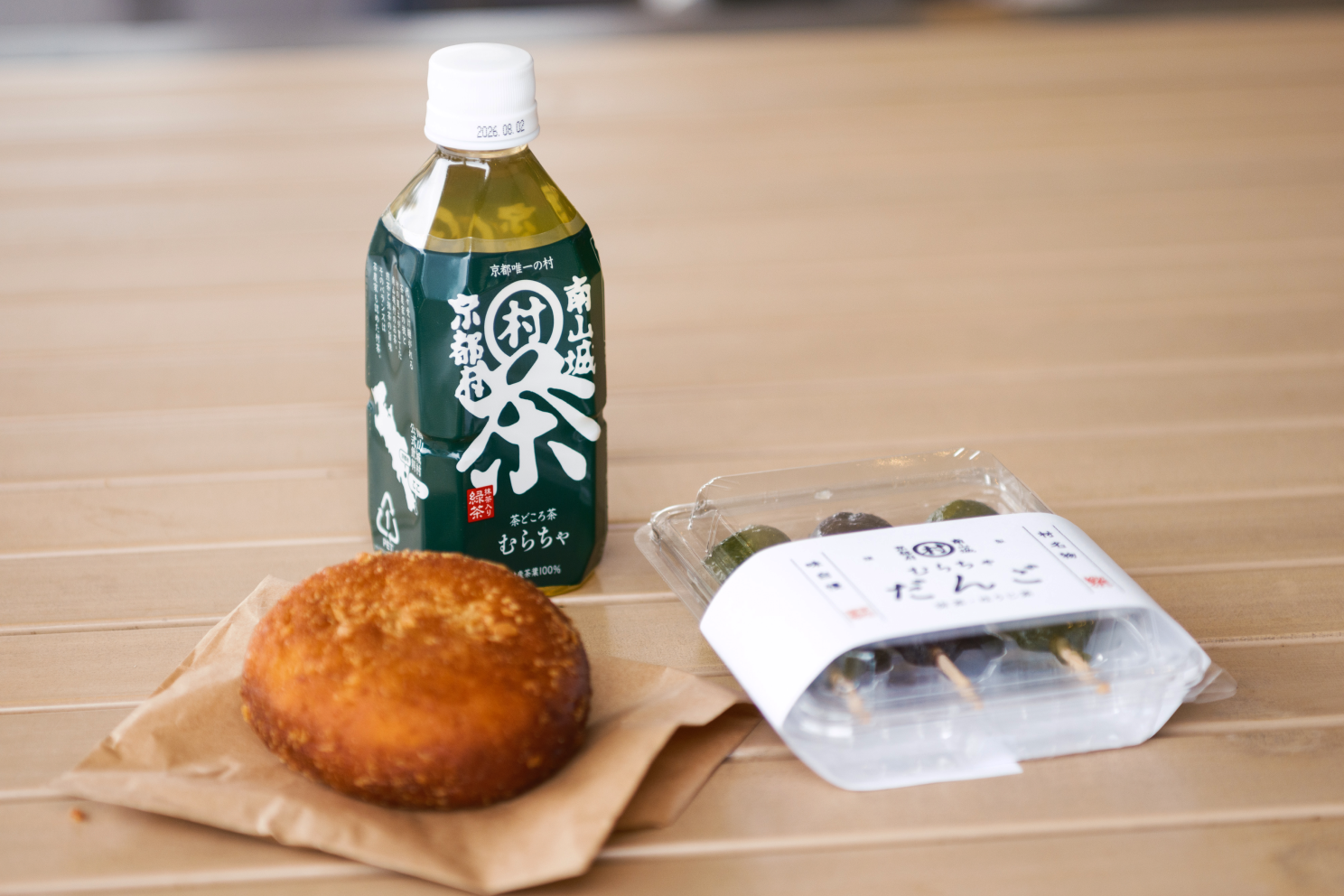
On your way to check into your hotel, you stop in at the adjacent michi-no-eki. Roadside stations like Michi-no-Eki Ocha no Kyoto Minamiyamashiro are located across Japan, offering local food, produce, crafts, and even tourism information. You’ve come here for Muracha dango, a rice cake ball flavored with a local variety of green tea called Muracha (literally “village tea”). It’s a village specialty. However, the shop is surprisingly crowded, and the display case empty. Just as you turn away, thinking you’ve arrived too late, you see a staff member emerge with a freshly steamed batch of Muracha dango. The moment the announcement goes out, people descend on the cakes. Thankfully, you manage to buy some just before they run out.
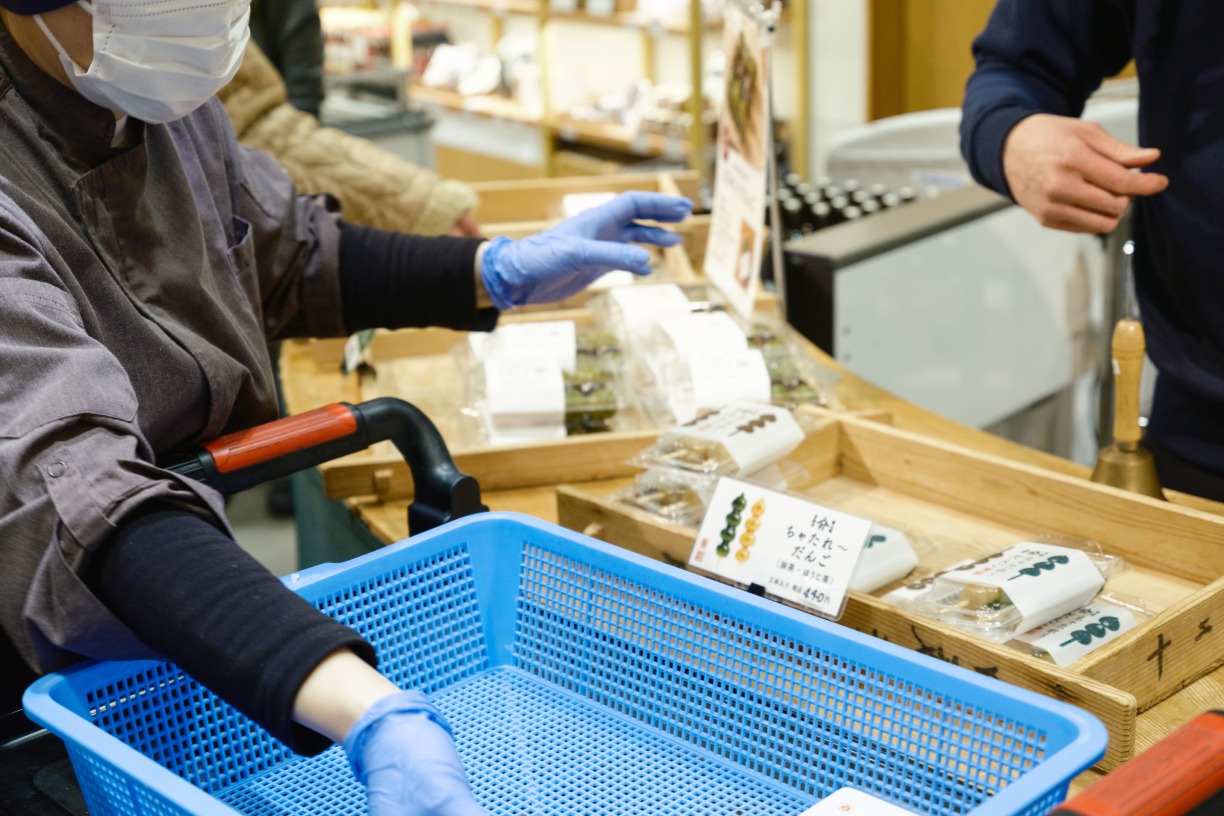
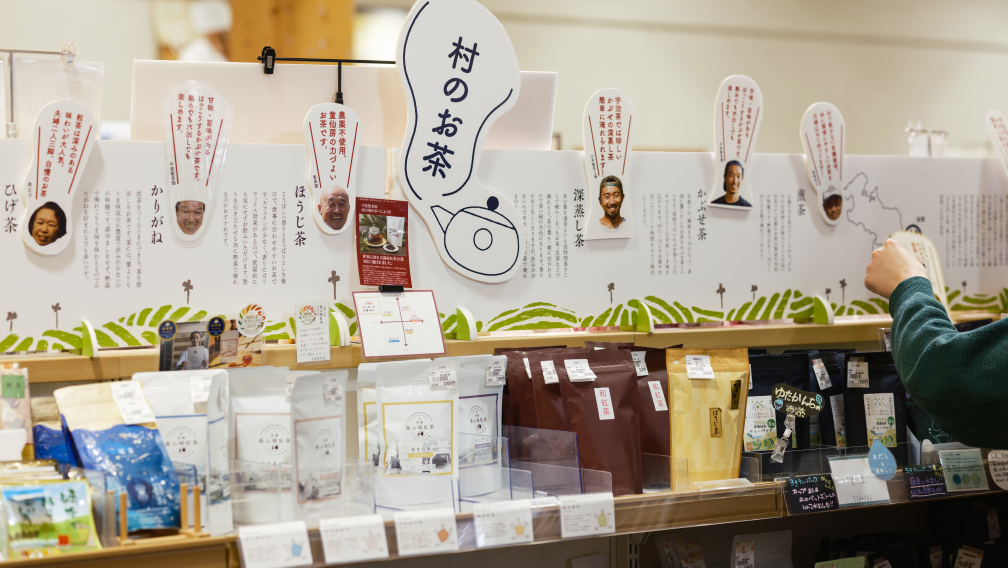
You also get some Muracha tea bags and tea soba noodles—two items that are sold only here at the michi-no-eki—to take home, as well as a curry roll filled with log-grown shiitake from Minamiyamashiro.
Setting up base at Fairfield by Marriott Kyoto Minamiyamashiro
From the michi-no-eki, you head to the Fairfield by Marriott Kyoto Minamiyamashiro. Incidentally, the hotel is connected to the roadside station by a pedestrian path, making it easy to come and go. While checking in, you tell the staff of your plan to visit the Iga area of Mie the next day, and they give you some recommendations. They also point you to the sake sold in the Marketplace next to the Lobby Lounge.
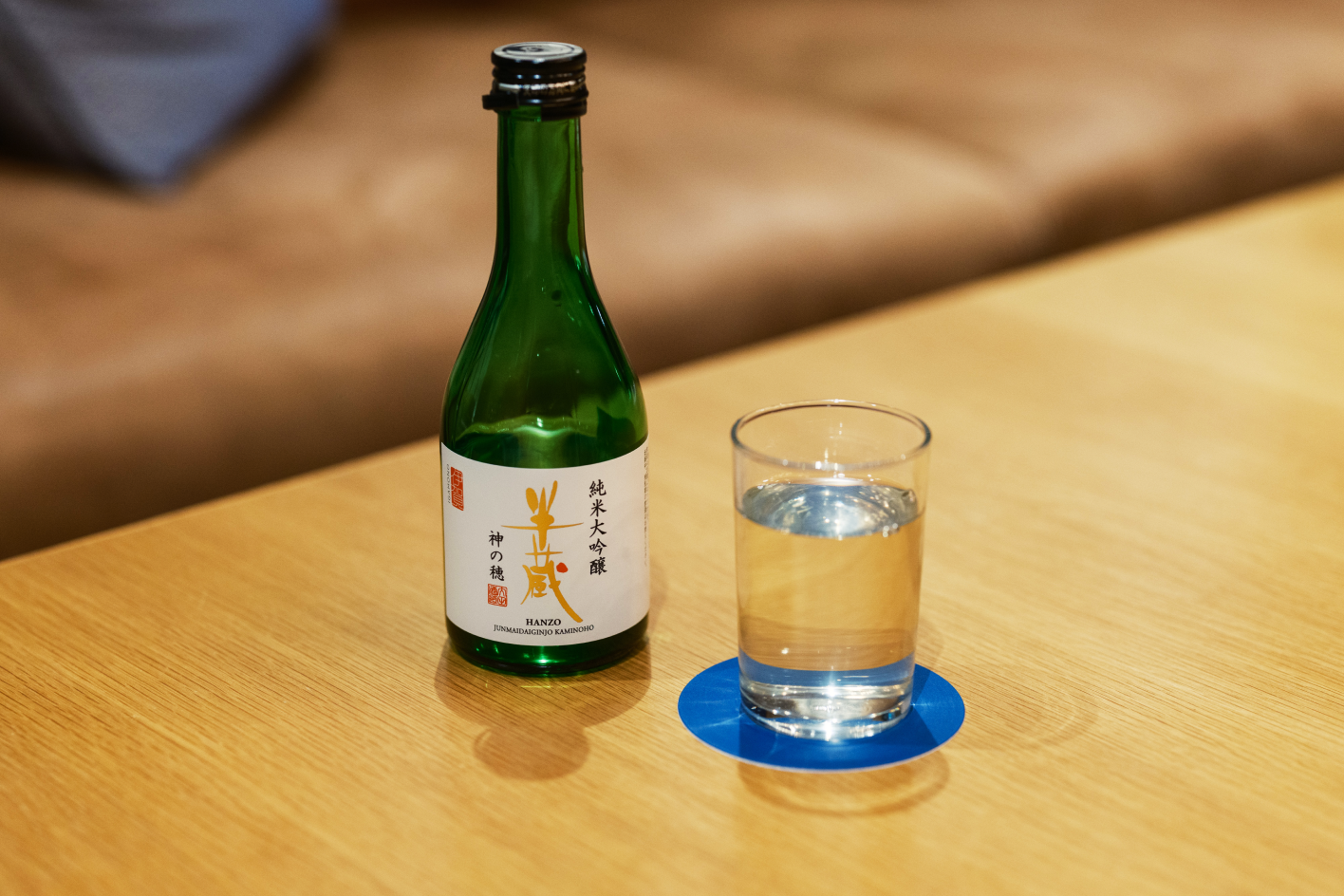
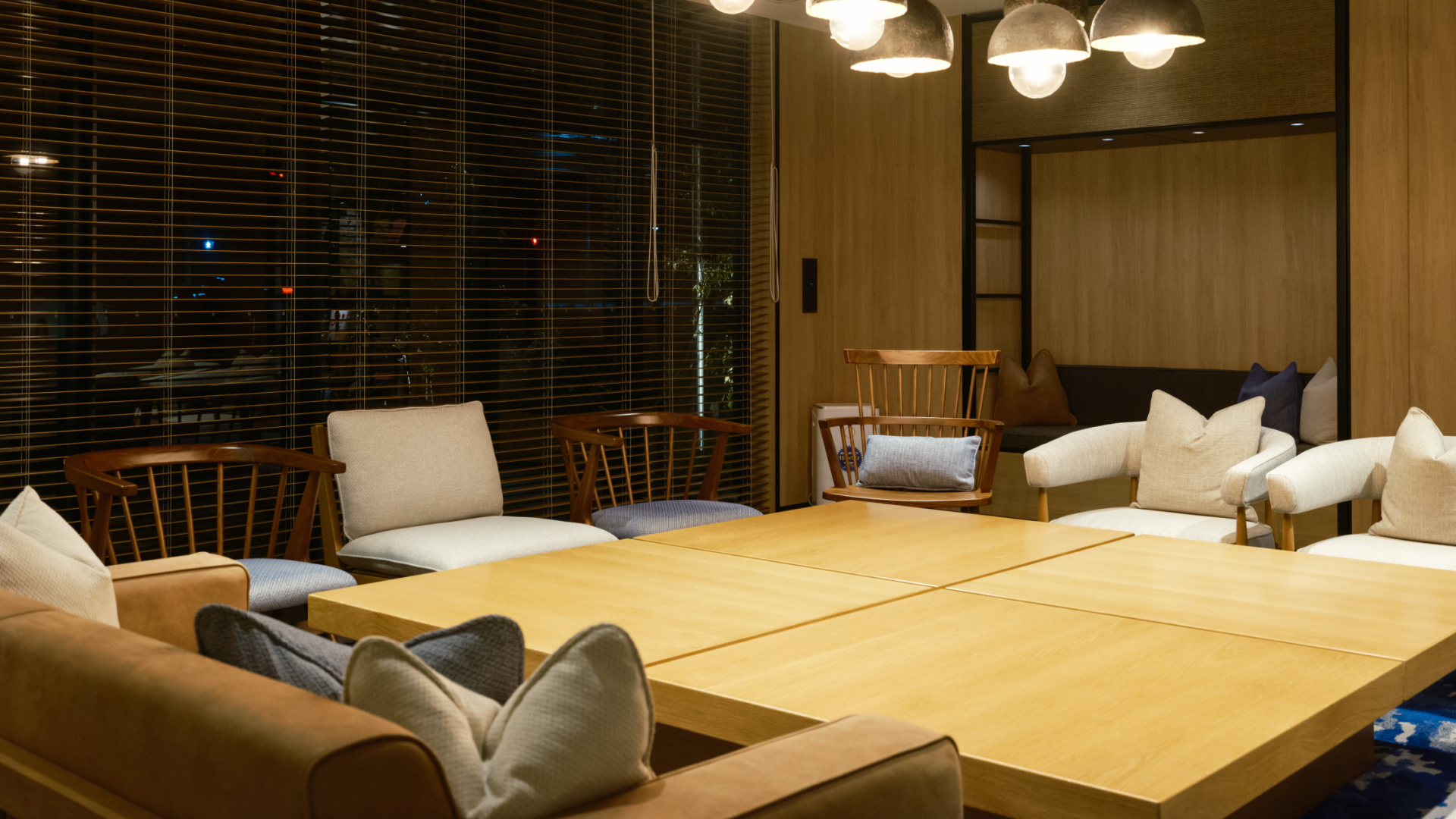
Hanzo, a sake from Ota Sake Brewery in the city of Iga, was selected as the toasting sake for the working dinner at the G7 Ise-Shima Summit in 2016. Intrigued, you take a seat in the Lobby Lounge and have a drink. It has a fruity, floral aroma, followed by a subtle umami that spreads across your palate. You raise your drink to toast a successful first day—and to wish for good luck in tomorrow’s trip through Iga.

Per Night Per Room from ¥15,730